Carl Hansen & Søn
KK47000 Safari Chair
Price starting from € 1,453.00*
*Price valid for the version with frame in oiled ashwood and natural canvas (cod. KK47000).
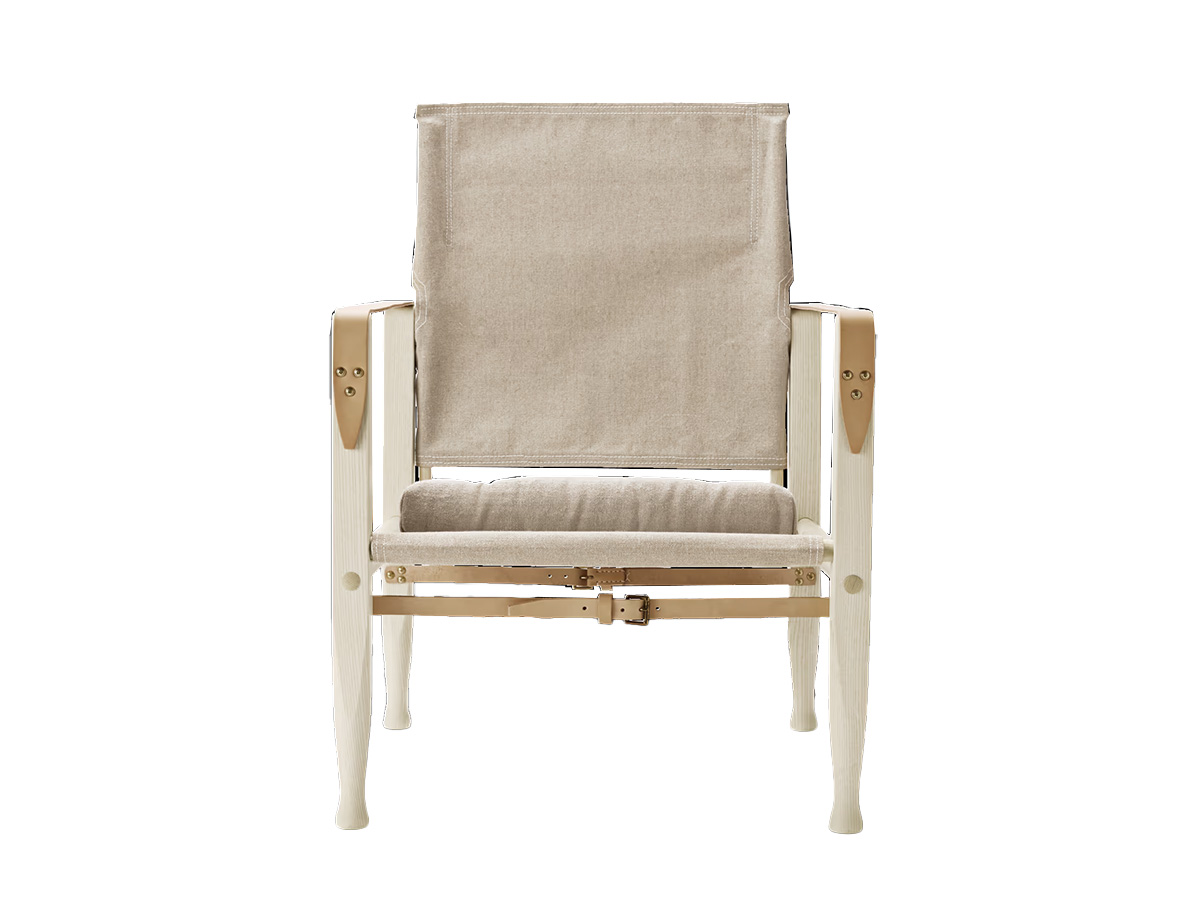
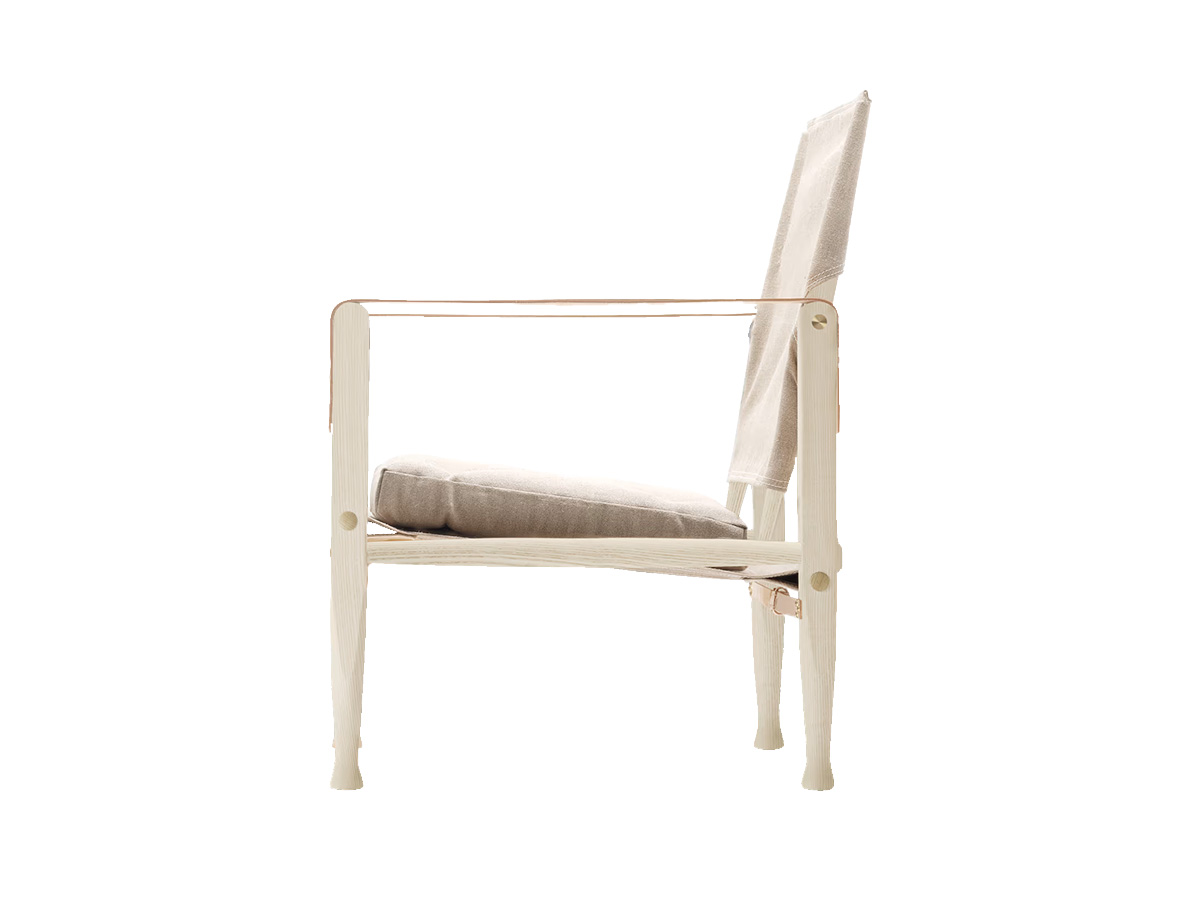
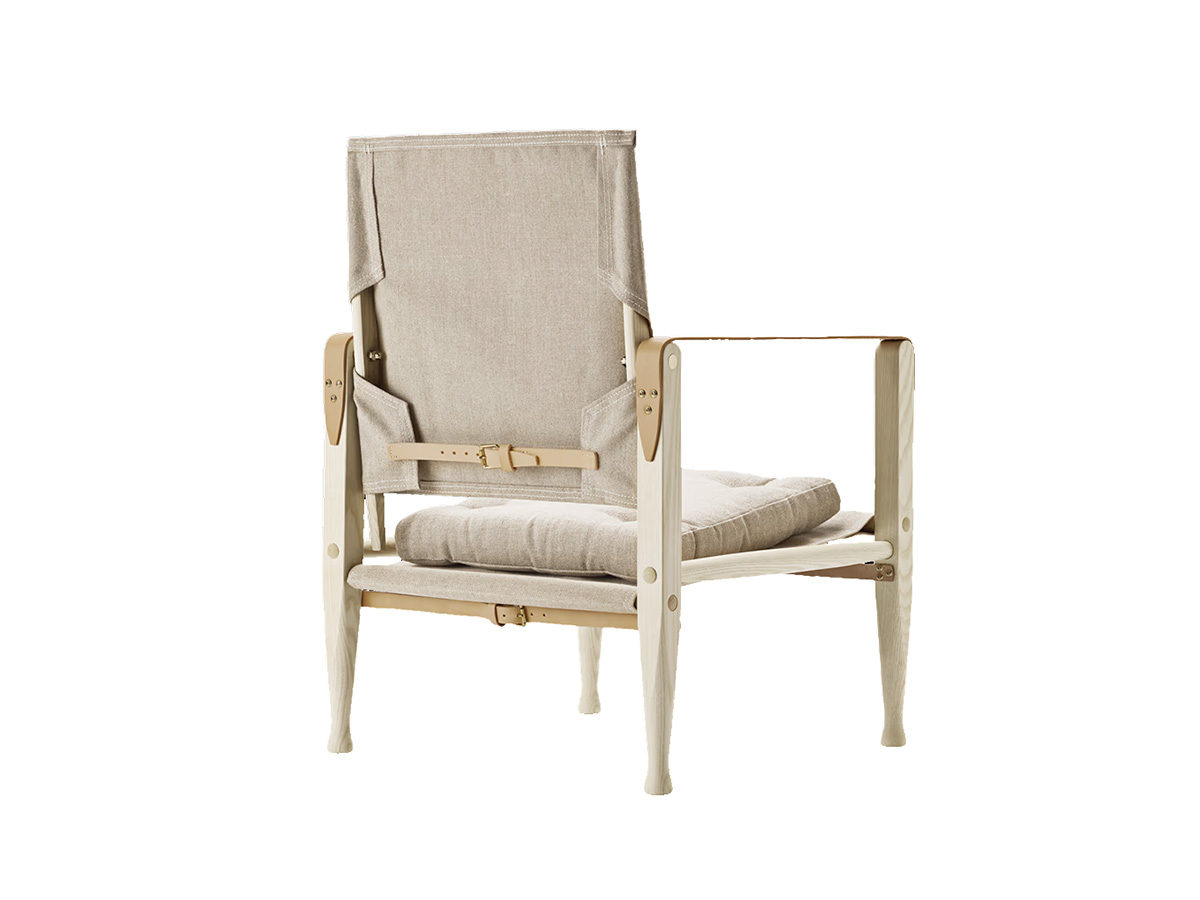
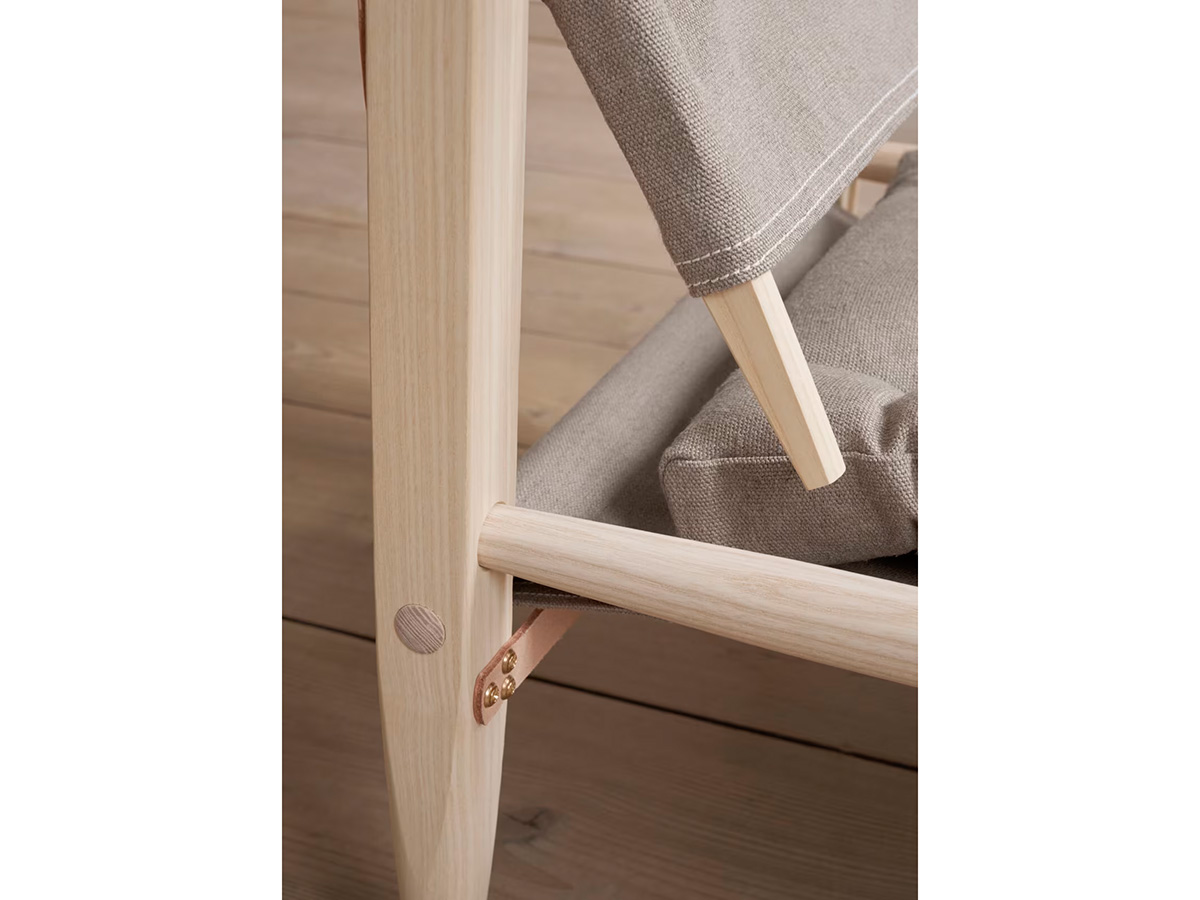
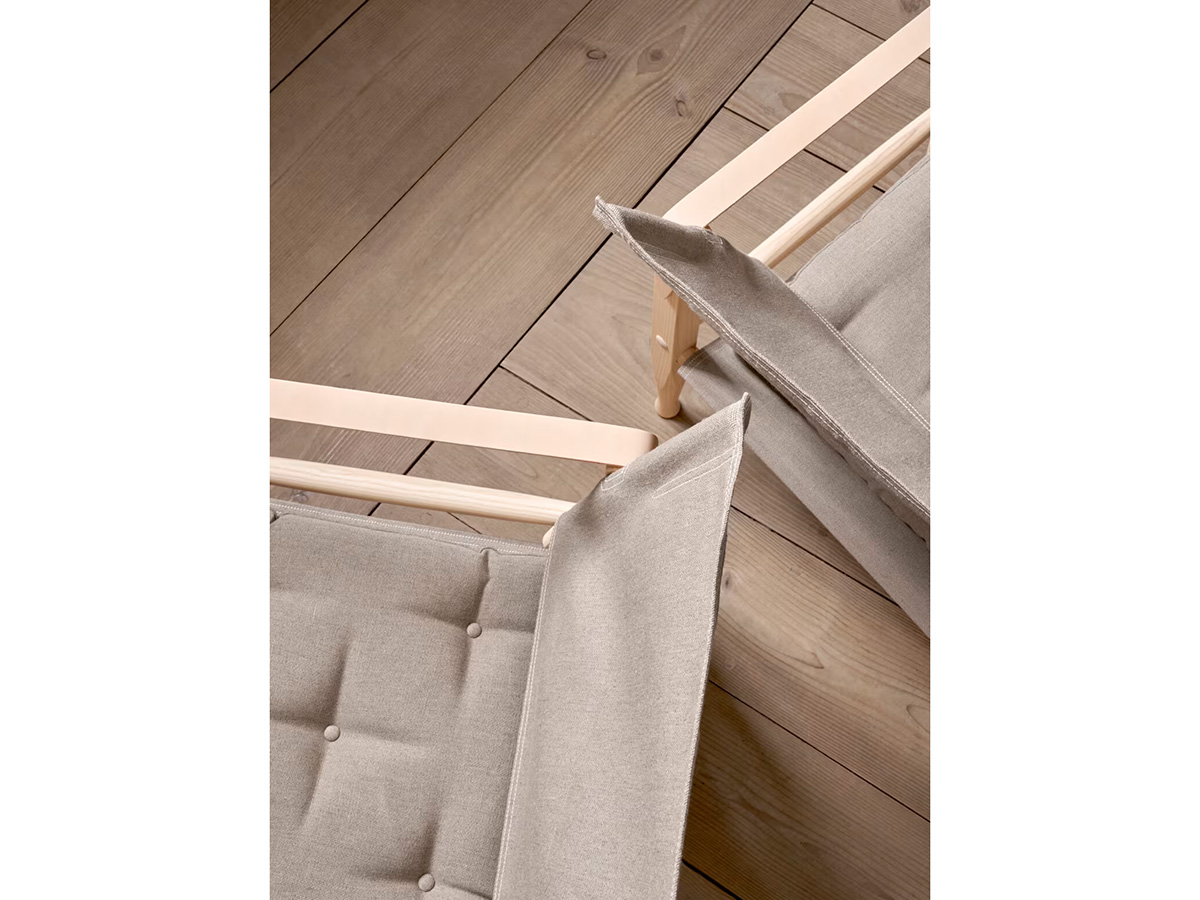
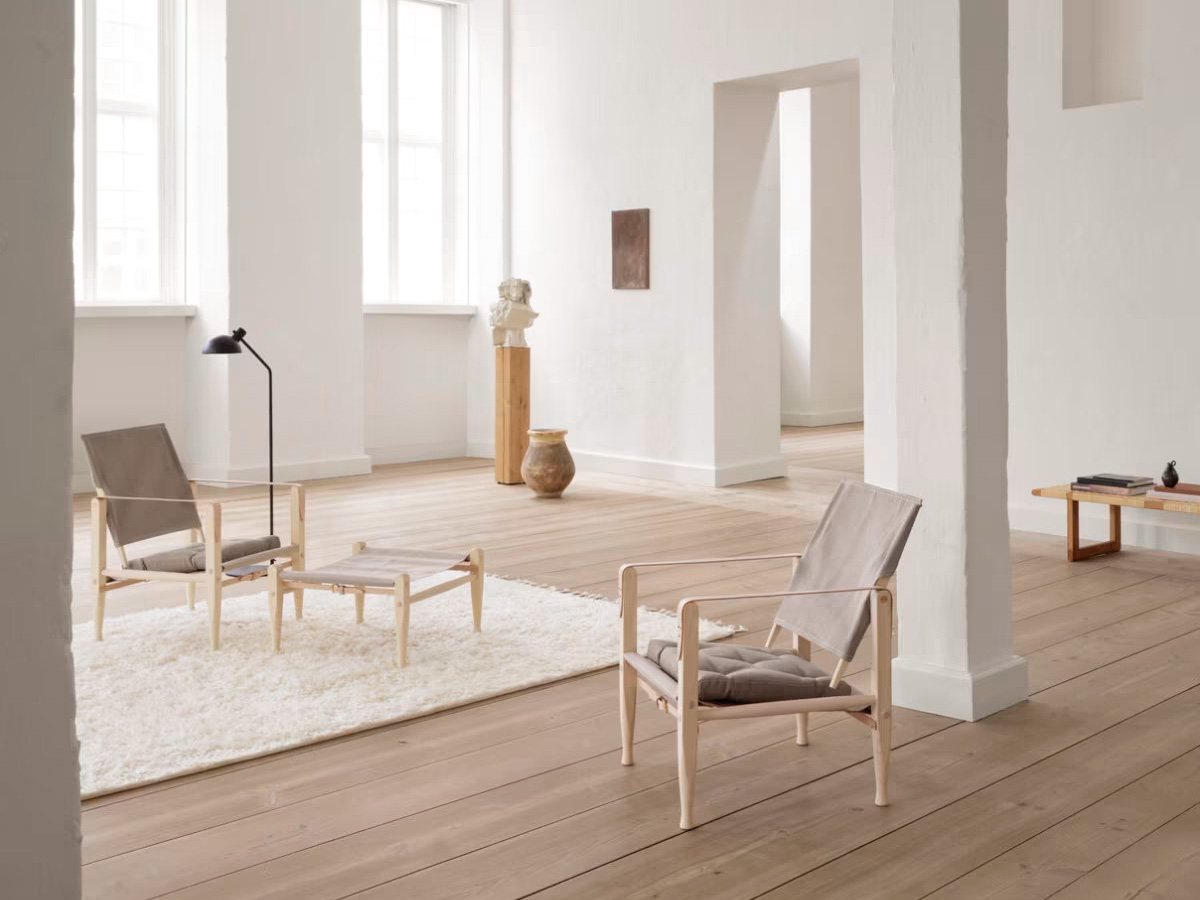
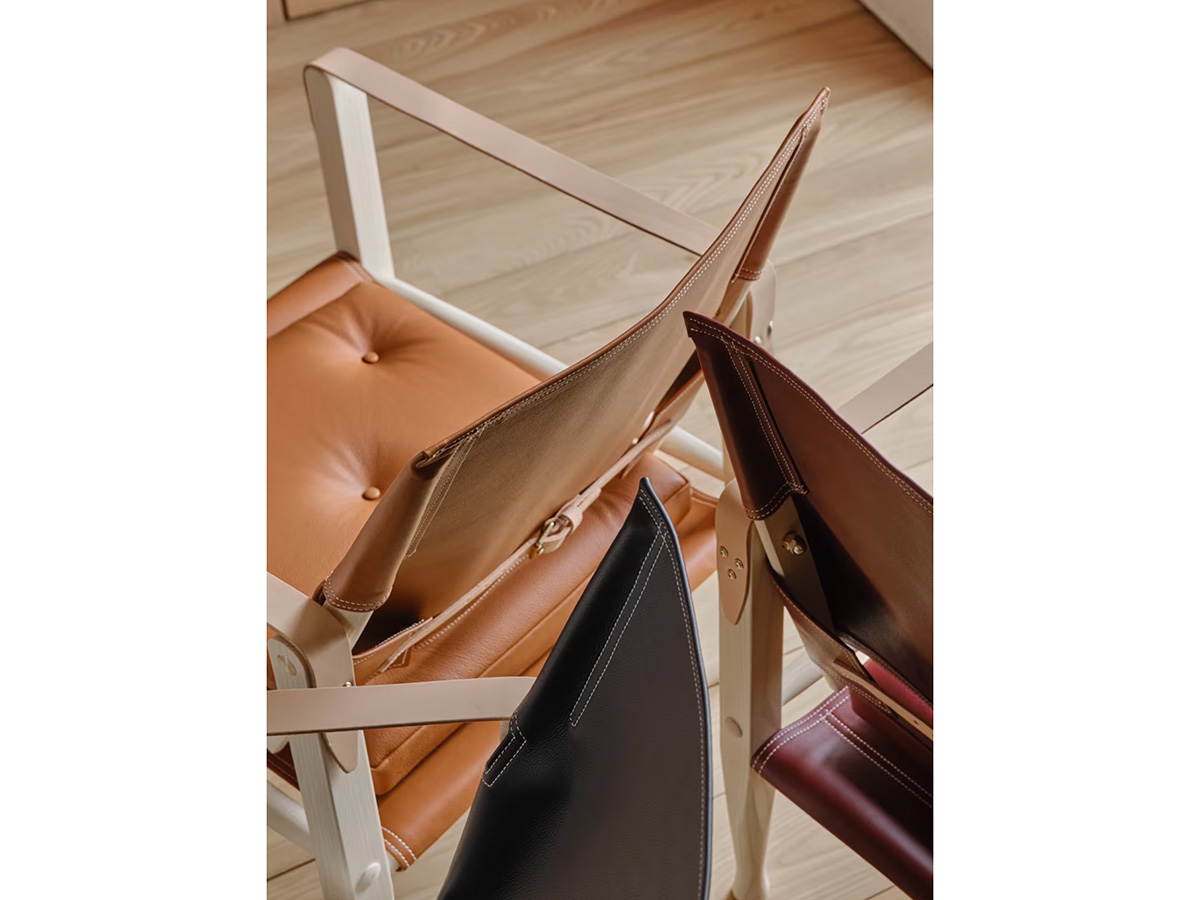
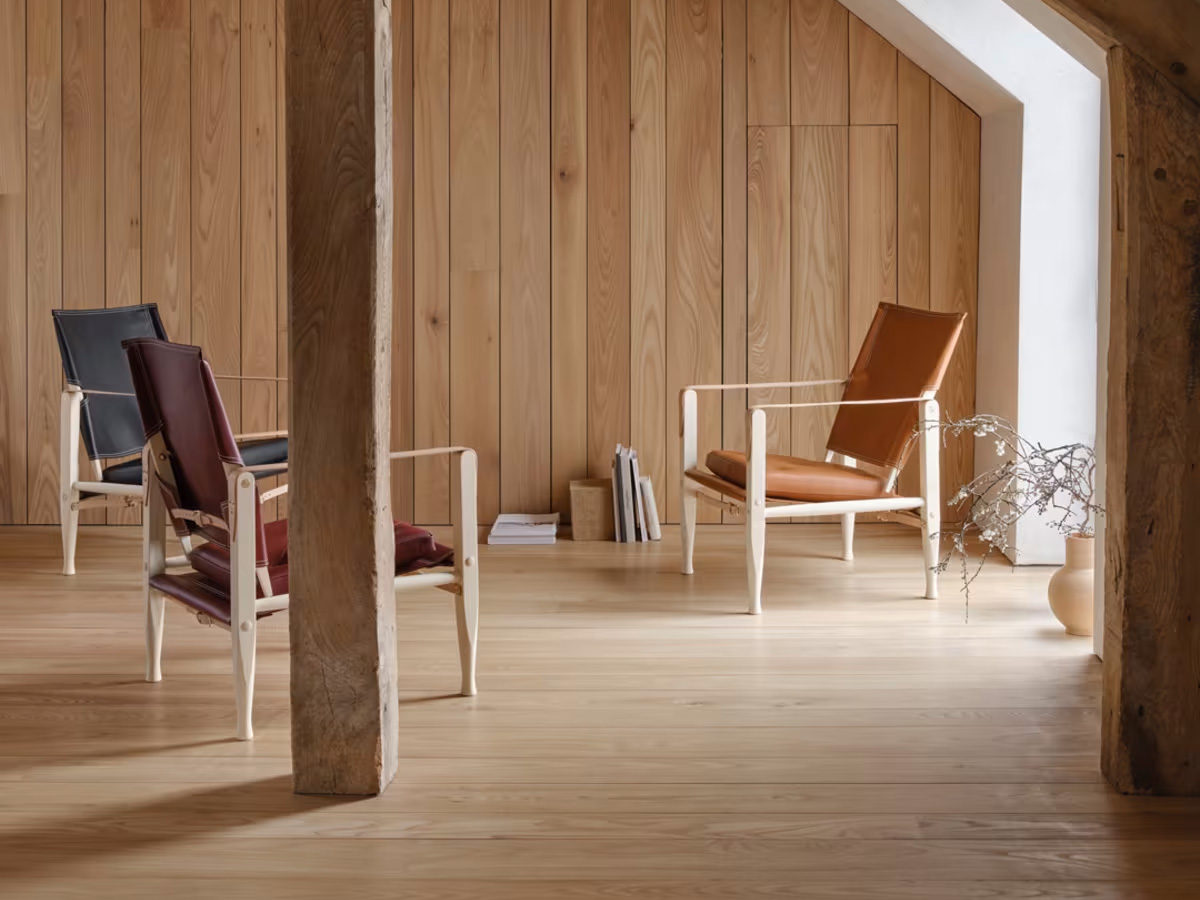
A chair brimming with expression, where each element is finely crafted to represent a more complex whole. Beautiful and brimming with personality, Carl Hansen's Safari Chair is the product of the artistic talent of Kaare Klint, who designed the instantly iconic structure. The Safari chair owes its beauty to the superb craftsmanship involved in assembling and finishing its individual parts. Exquisite stitching creates the armrests and backrest, which are connected to the frame with leather straps. The fabric seat is softened with padding and slightly reclined for improved ergonomics. Beautiful and intriguing, the Safari is available in a variety of finishes and colors to suit the many needs of everyday life.
W.57 x D.57 x H.80 cm
Seat Height 34 cm
Salvioni Design Solutions delivers all around the world. The assembly service is also available by our teams of specialized workers.
Each product is tailor-made for the personal taste and indications of the customer in a customized finish and that is why the production time may vary according to the chosen product.
To discover the full range of services available, visit our delivery page.
Personalize your request
Upholstery
Select
Select
Select

Carl Hansen & Søn was founded in 1908 on the Danish island of Funen, under the aegis of the eponymous cabinetmaker Carl Hansen. Since its foundation, the small cabinetmaking workshop has experienced rapid success due to the high quality craftsmanship of its furniture as well as the foresight of its founder, responsible for the establishment of many fruitful collaborations with world-renowned designers.The growth of Carl Hansen & Son was deeply influenced by the long-term collaboration with one of the greatest designers of all time: Hans J. Wegner. This creative synergy began in 1949, when Holger Hansen, son of Carl Hansen, attempted the fate with the unknown designer. From that moment,Wegner designed a series of successful furniture, including the now iconic Wishbone Chair.Read more
Designed by
Kaare Klint
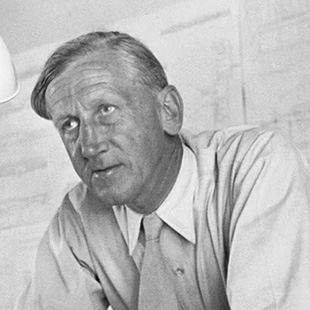
Kaare Klint (1888-1954) is considered one of the great founding fathers of Danish design, initiating a tradition of rational and functionalist furniture that has lasted to this day. He taught for most of his life at the furniture design course at the Royal Academy of Arts, from its foundation in 1924, thus spreading his ideas to several generations of designers who would soon make Scandinavian design style known throughout the world. Reading the list of his students is like leafing through the pages of a design history book: you come across names ranging from Børge Mogensen to Hans J. Wegner, from Nanna Ditzel to Mogens Koch and Poul Kjærholm. At the heart of his thinking was a careful study of human proportions and anthropometry, in his opinion the most important element on which to base the design of a piece of furniture, even beyond aesthetics. Klint loved working on the reworking of historical furniture models and was an opponent of the theories of the Bauhaus which aimed to rethink the way of furnishing the home from scratch, yet his rigidly analytical working method had many points in common with that of the famous German school. Son of the great architect Peder Vilhelm Jensen-Klint (who was the author of one of the great and lesser-known masterpieces of the Danish capital, the wonderful Grundtvig Church), Kaare studied as a painter in his youth before starting to work as an architect in 1917, a role in which he contributed to the design of the Danish Museum of Art & Design (1921-26). At the same time he began to design furniture, produced at the time by Rud. Rasmussen (a brand later purchased by Carl Hansen & Søn, which today offers many of his most famous creations in its catalogue) and by Fritz Hansen. Other creations of his appear in the catalogues of Fredericia and Le Klint, a brand founded by his father and specialising in the creation of lamps with paper diffusers.Read more