Fontana Arte
Yumi Floor Lamp
Price € 2,180.00
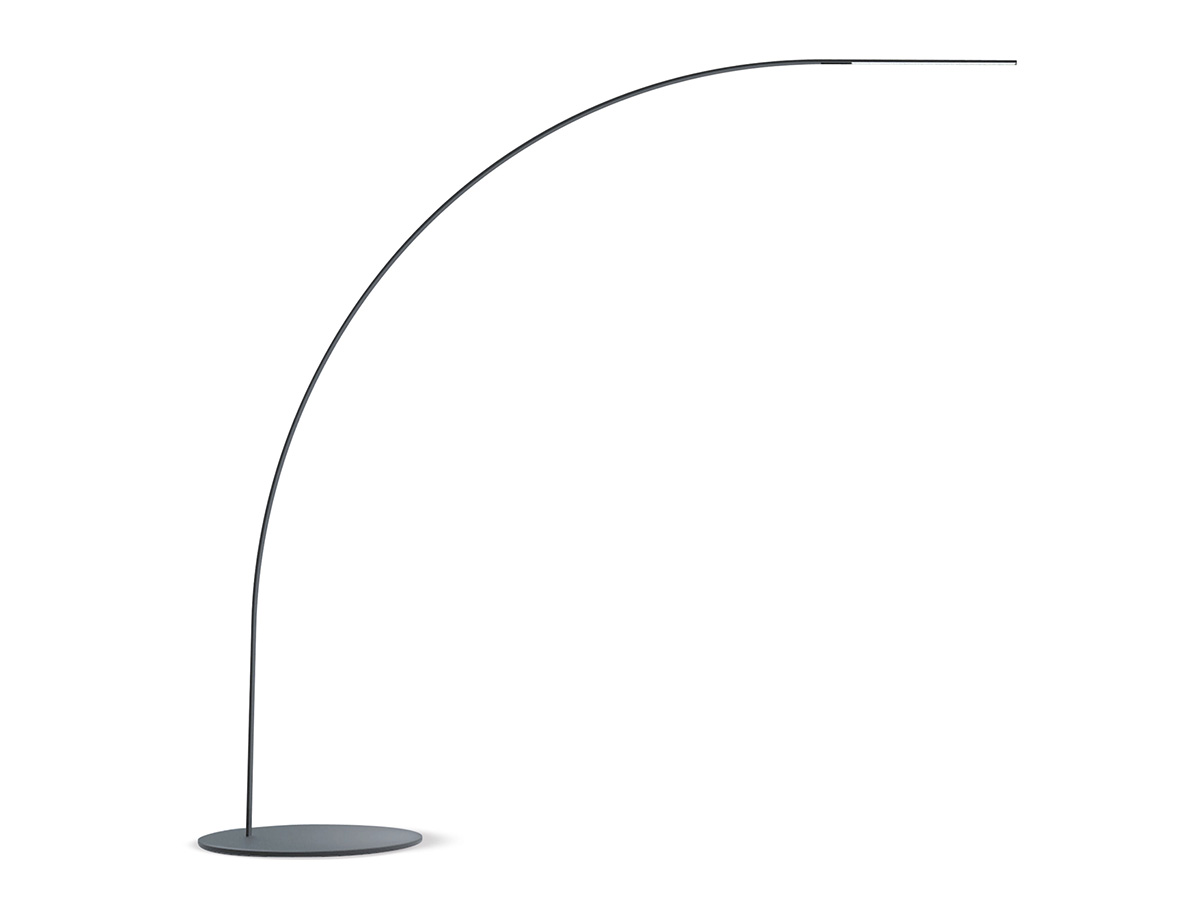
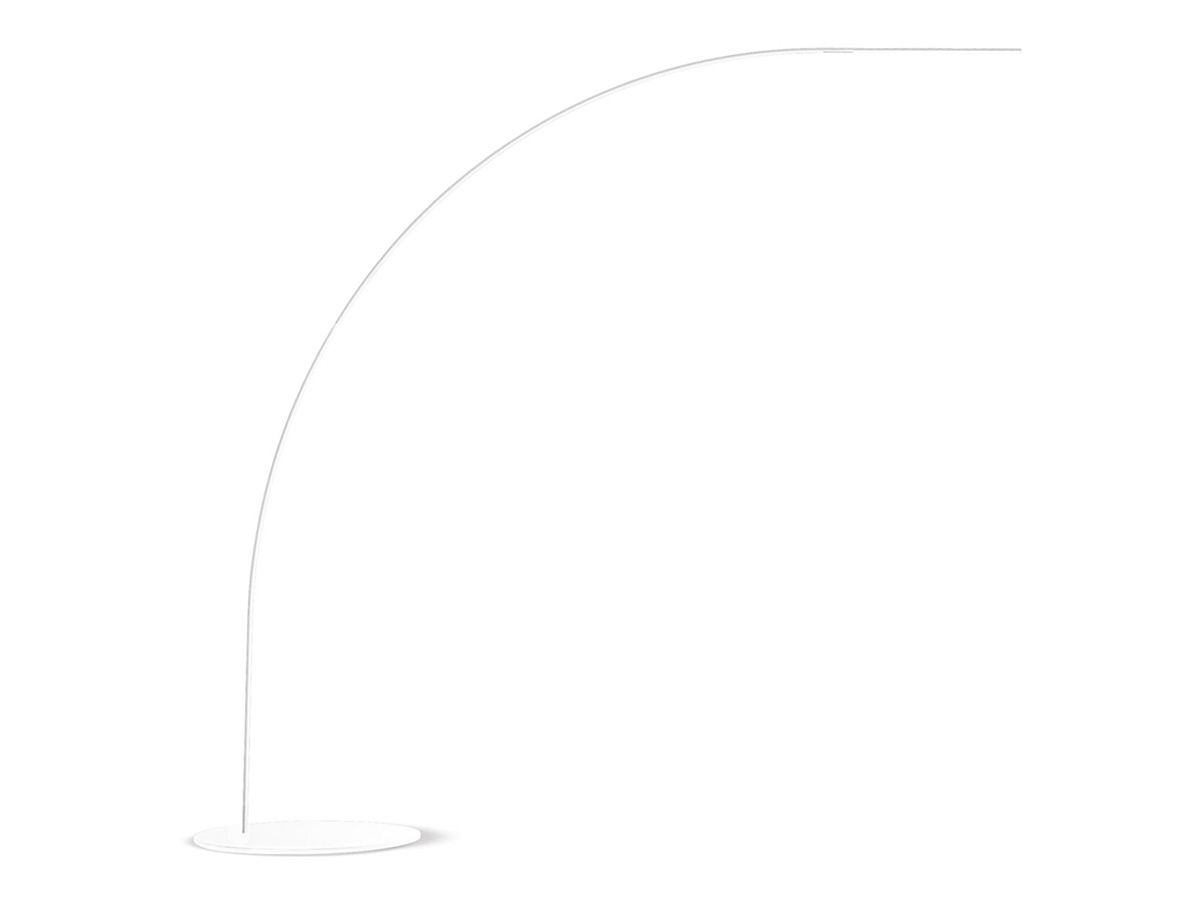
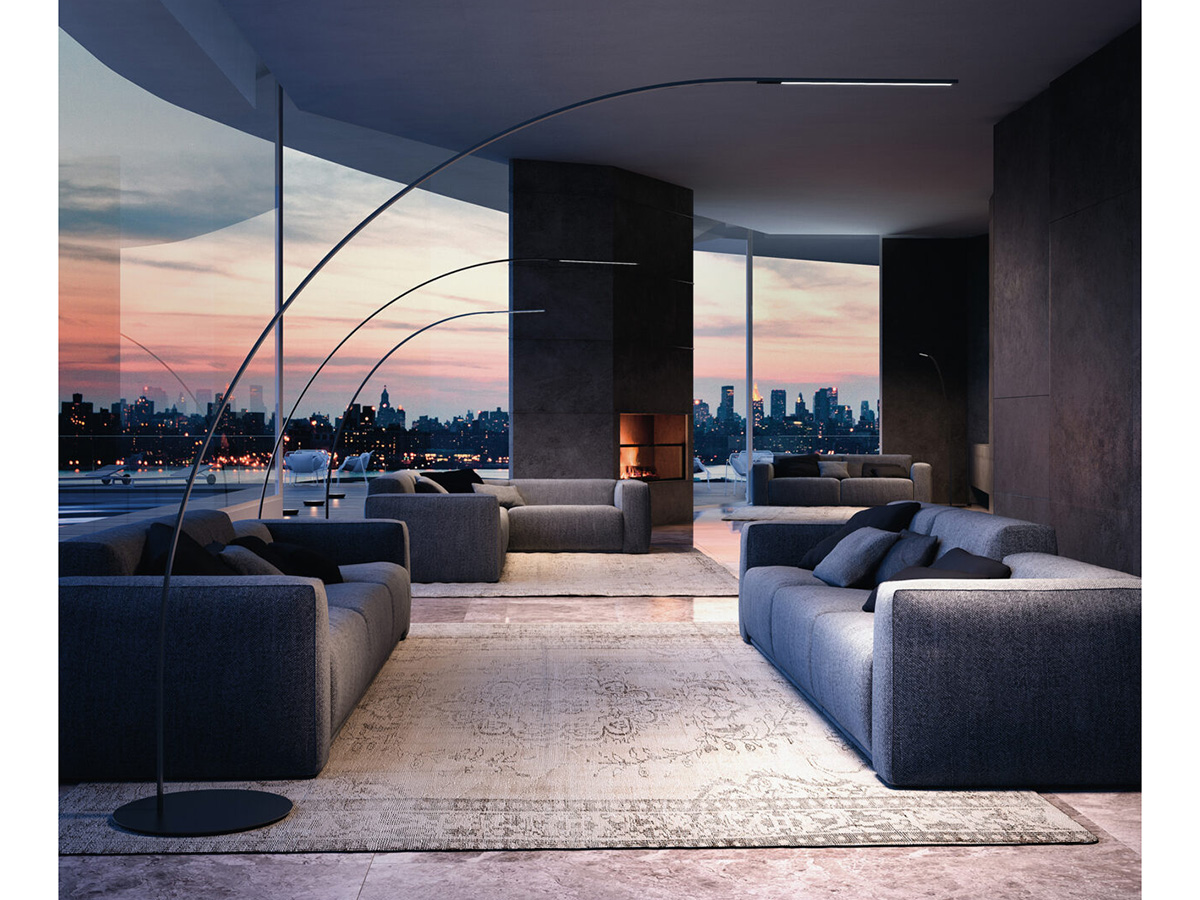
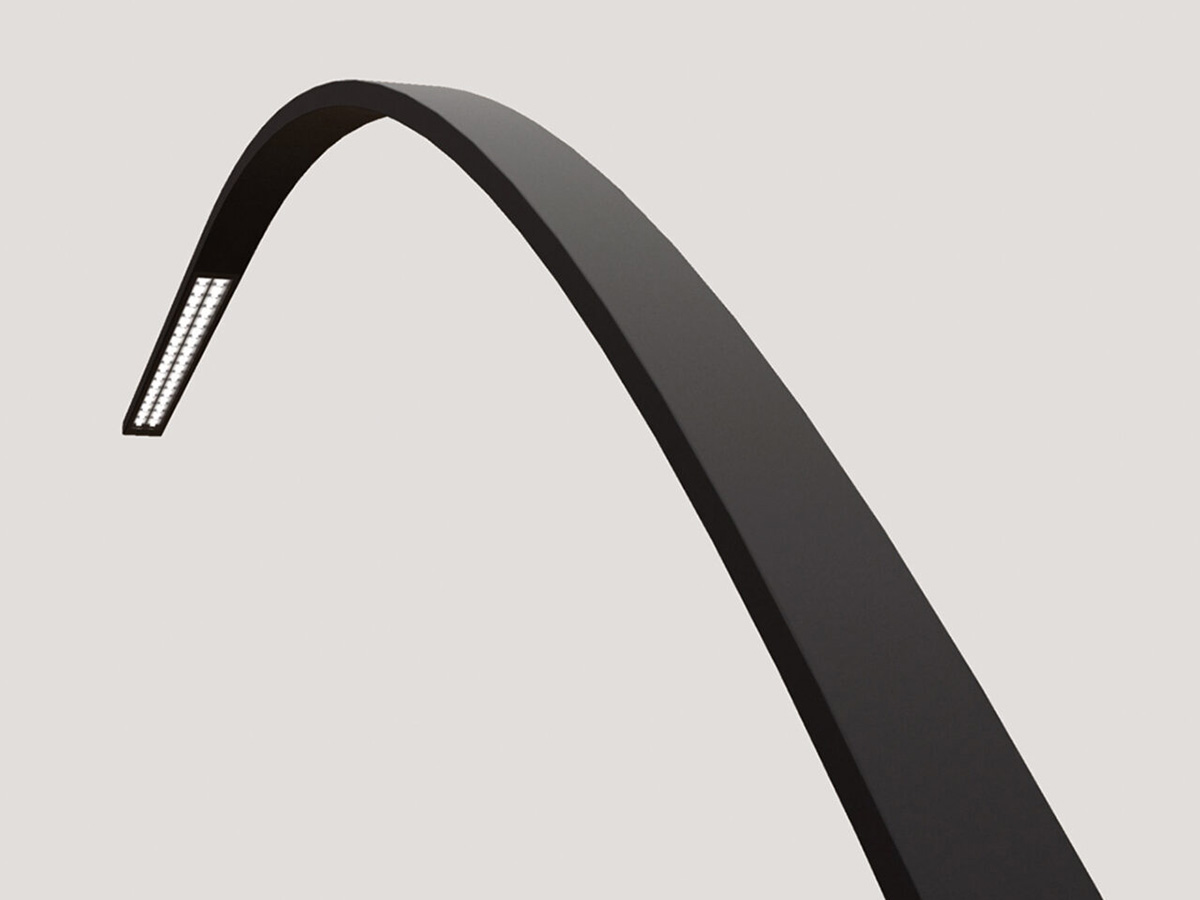
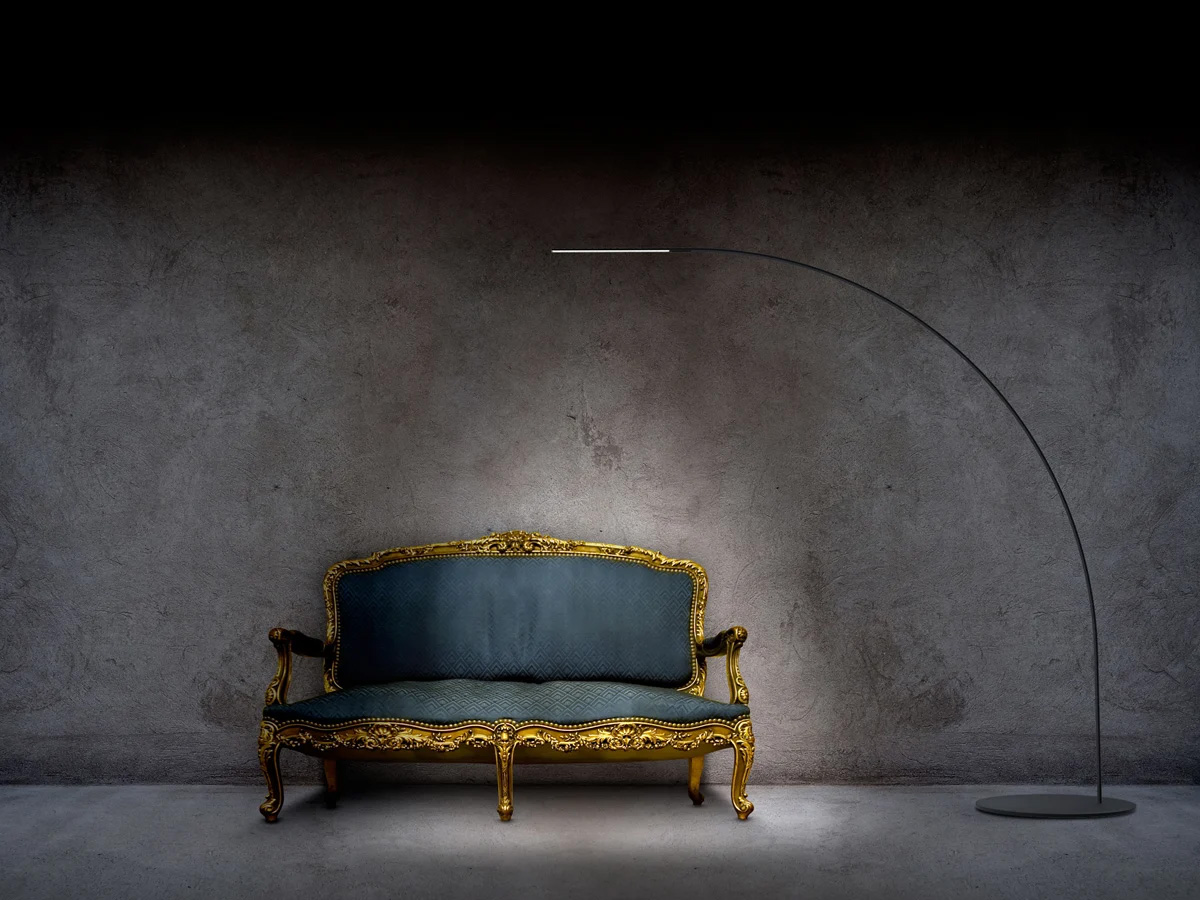
The Yumi lamp by FontanaArte was born from the creative talent of Shigeru Ban. Its name, “Yumi,” means “bow” in Japanese—a word that clearly captures its aesthetic essence. This floor lamp expresses both classical and contemporary elegance, offering design enthusiasts a true meeting of styles. Its lightness is striking, accentuated by the slender line that rises gracefully from the base toward the ceiling, creating a refined, arching form. The LED light source is integrated into the structure, ensuring minimal bulk while emphasizing the seamless continuity of its shape. Even the cables are embedded within the frame to minimize any visual interference. Ideal for dining rooms and living areas, Yumi also lends itself beautifully to bedrooms or study spaces.
W.250 x H.210 cm
Salvioni Design Solutions delivers all around the world. The assembly service is also available by our teams of specialized workers.
Each product is tailor-made for the personal taste and indications of the customer in a customized finish and that is why the production time may vary according to the chosen product.
To discover the full range of services available, visit our delivery page.
Personalize your request
Colors
Select
Select
Select
One of the most influential representatives of the made in Italy lighting design, FontanaArte has its roots in the nineteenth century with the foundation of a glass factory in Milan by the entrepreneur Luigi Fontana. The real brand was born from the meeting between the latter and Giò Ponti, the first artistic director, leaving an indelible mark on the style of the company, so much that his creations still play a central role in the FontanaArte catalog. Glass and crystal gave the brand an immediate international success since the early years, thanks also to the collaboration with the master glassmaker Pietro Chiesa.Read more
Designed by
Shigeru Ban
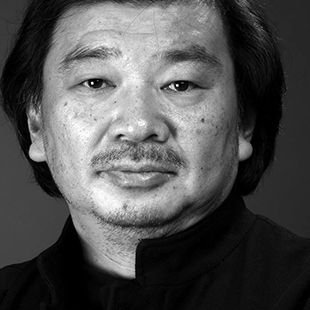
Shigeru Ban (1957-) is one of the most famous contemporary Japanese architects, winner of the prestigious Pritzker Prize in 2014. His explicitly minimalist style is characterized by a consistent research work on poor materials that runs through all his work: a recurring stylistic feature in his work are, for example, recycled cardboard tubes, which are economical, resistant and ecological. The use of similar materials also lends itself well to the creation of temporary and tensile structures, an architectural typology often at the center of Ban's research and which he combines with specific humanitarian motivations, as in the case of the temporary homes built for the displaced people of the 1995 Kobe earthquake or the Paper Concert Hall in L'Aquila (2010-11), a removable auditorium built to deal with the destruction caused in the city by a serious seismic event. In his creations, Shigeru Ban is able to skilfully mix Eastern and Western stylistic elements thanks also to the long years of study in the United States, which was followed in the early 1980s by an apprenticeship with Arata Isozaki before opening his own studio in Tokyo in 1985. Among his most famous works are the sinuous Japanese pavilion at the Expo in Hannover (2000), the Cardboard Cathedral in Christchurch, New Zealand (2013), also a temporary work built following an earthquake that destroyed the city's main cathedral, and the Centre Pompidou in Metz (2006-10), one of his most ambitious creations, whose complex roofing was inspired by a traditional Chinese hat. Among his sporadic attempts as a product designer, it is worth mentioning the cardboard furniture designed for the Swiss brand wb form and the collaboration in the field of lighting with the Italian brand FontanaArte.Read more