Fredericia
Klint Chair
Price starting from € 860.00*
*Price valid for the version with natural cord seat and black-lacquered oak frame (cod. 32072242500).
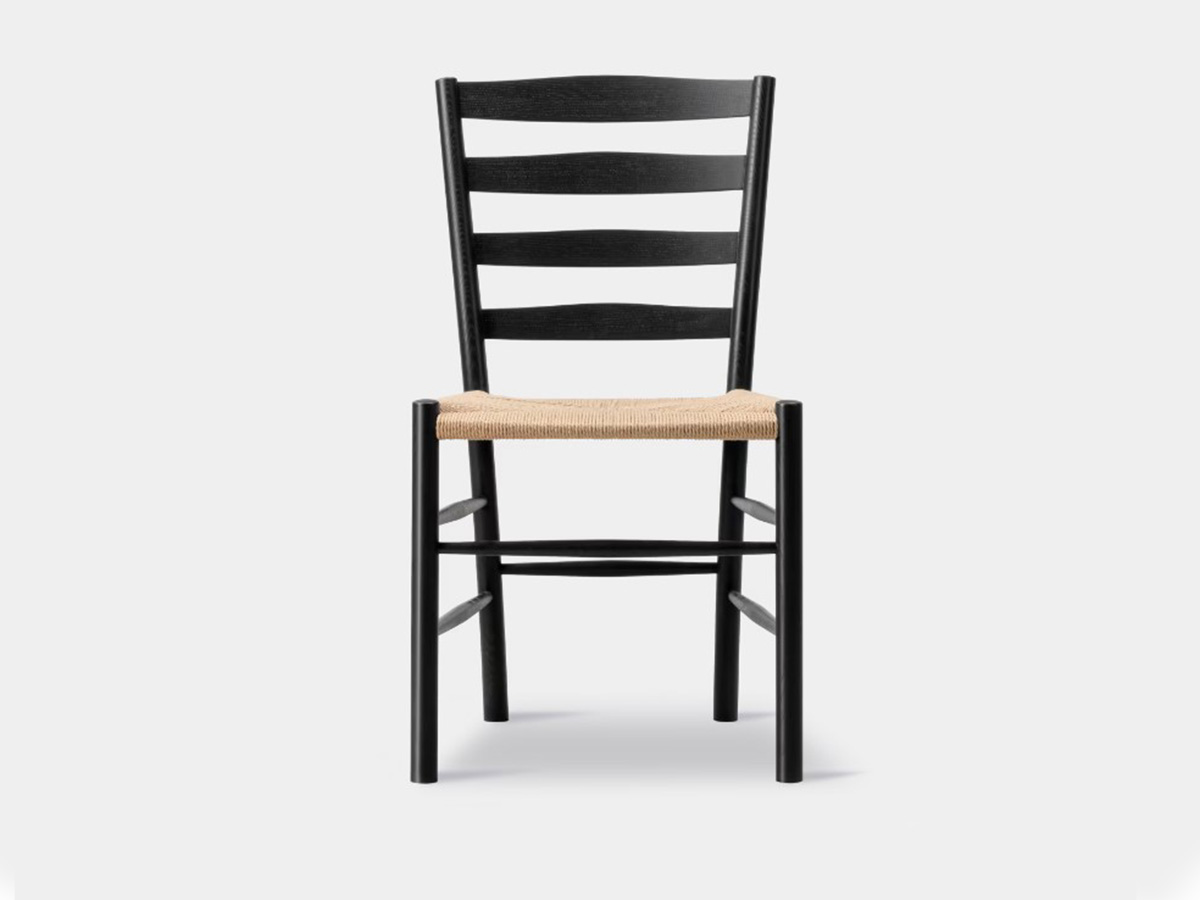
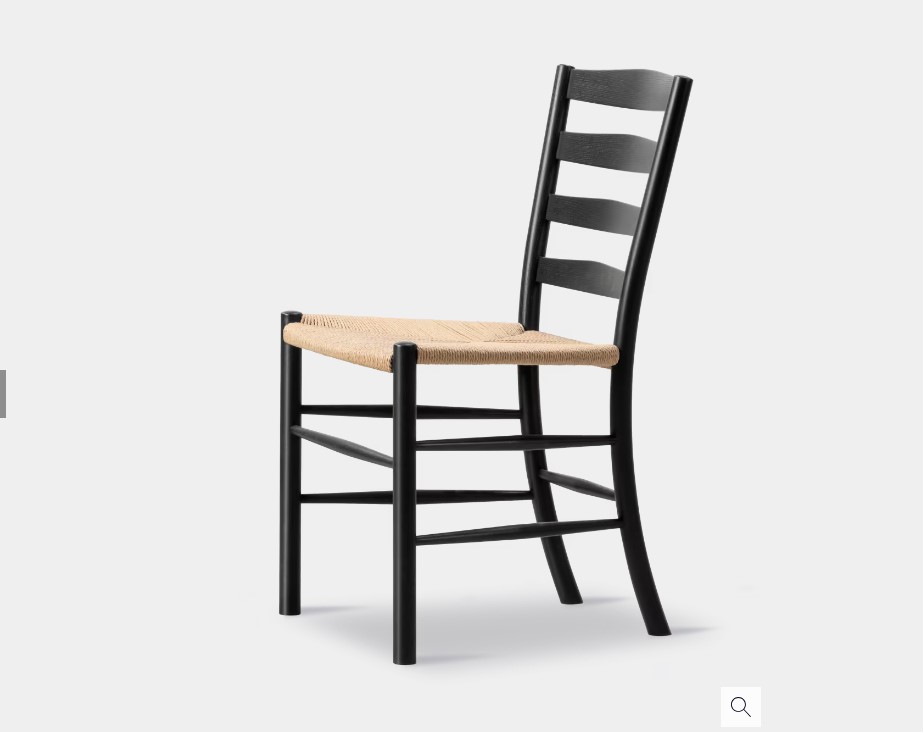
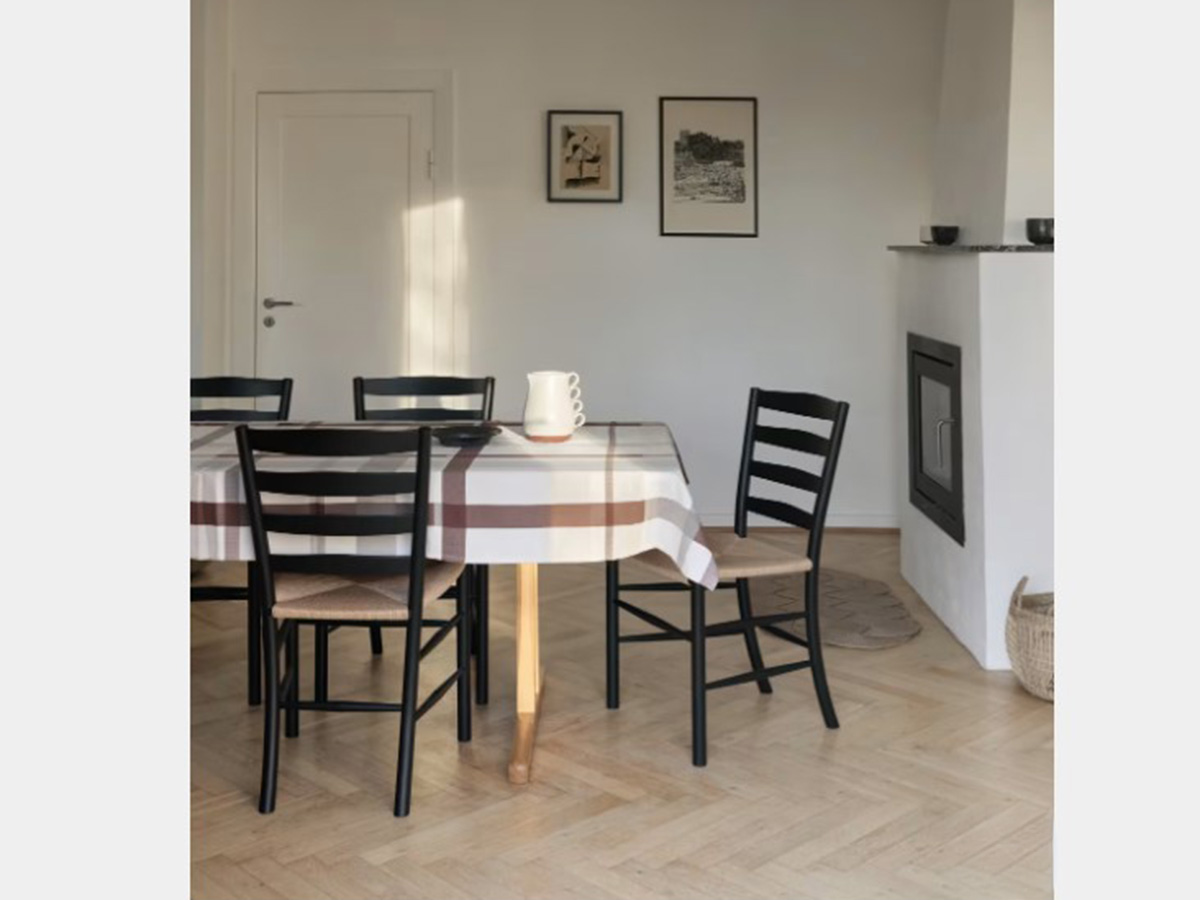
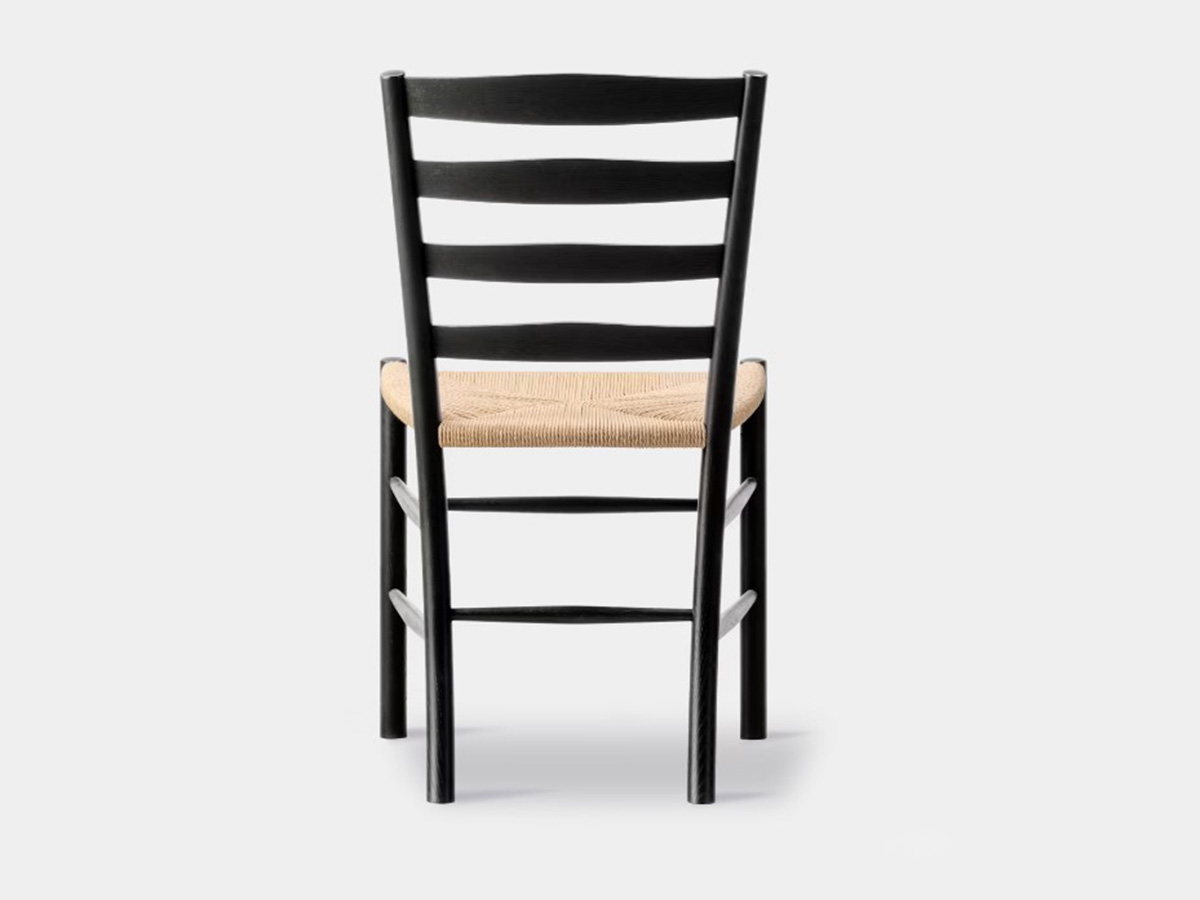
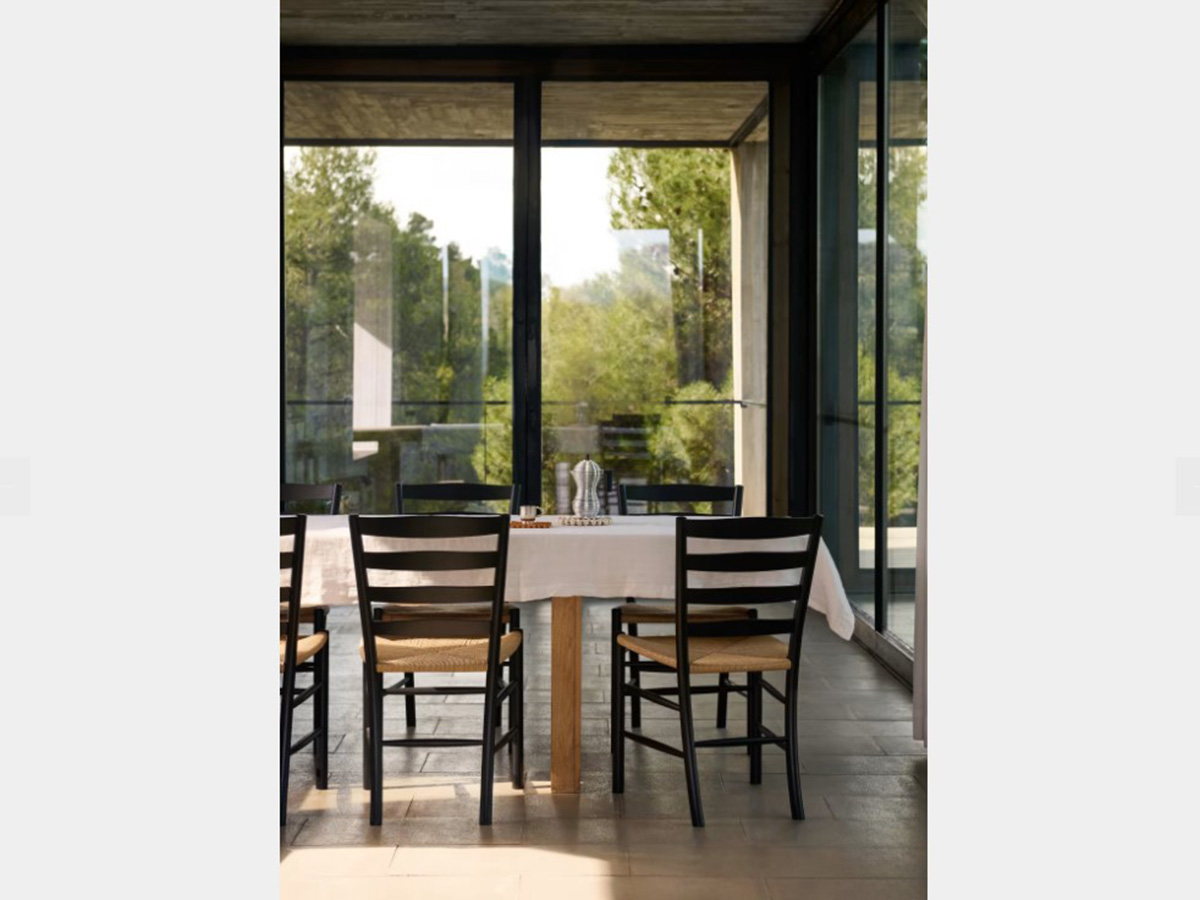
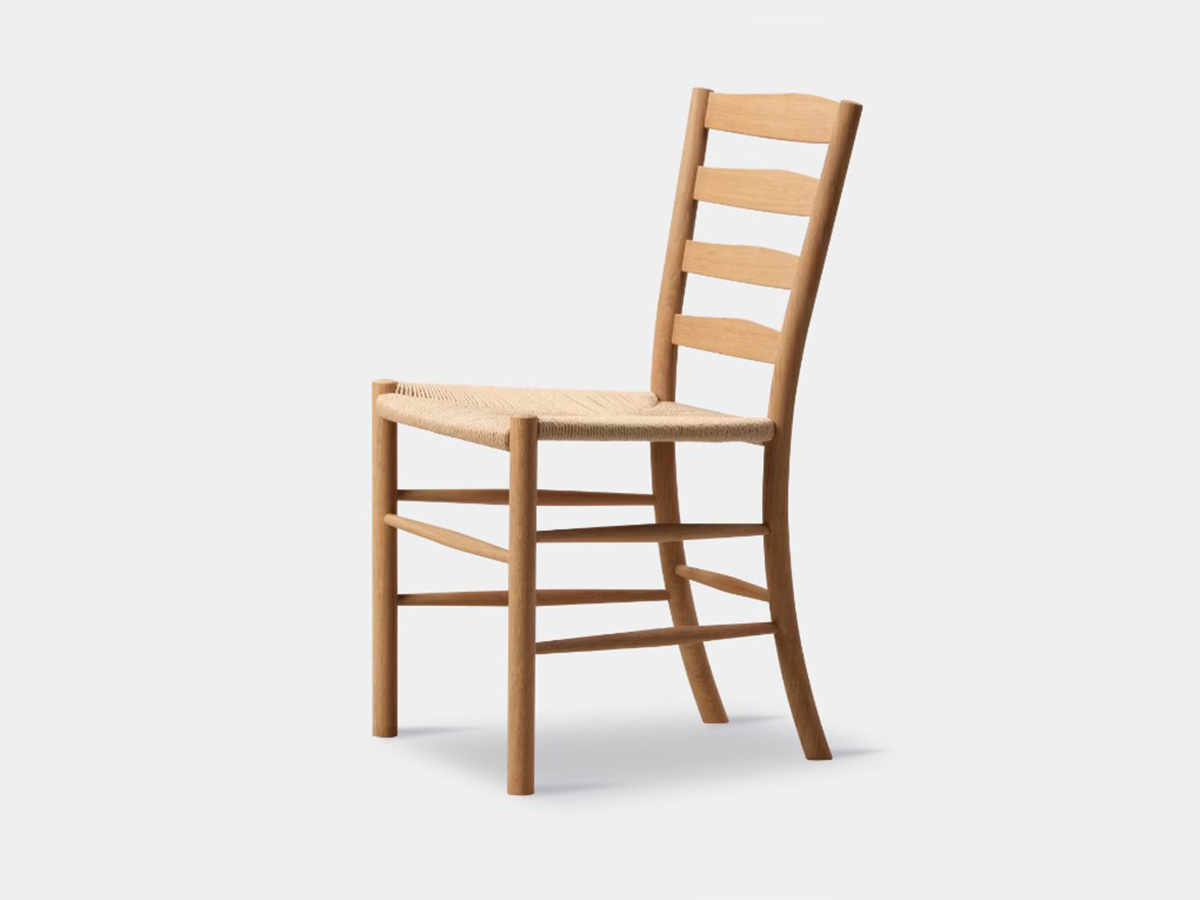
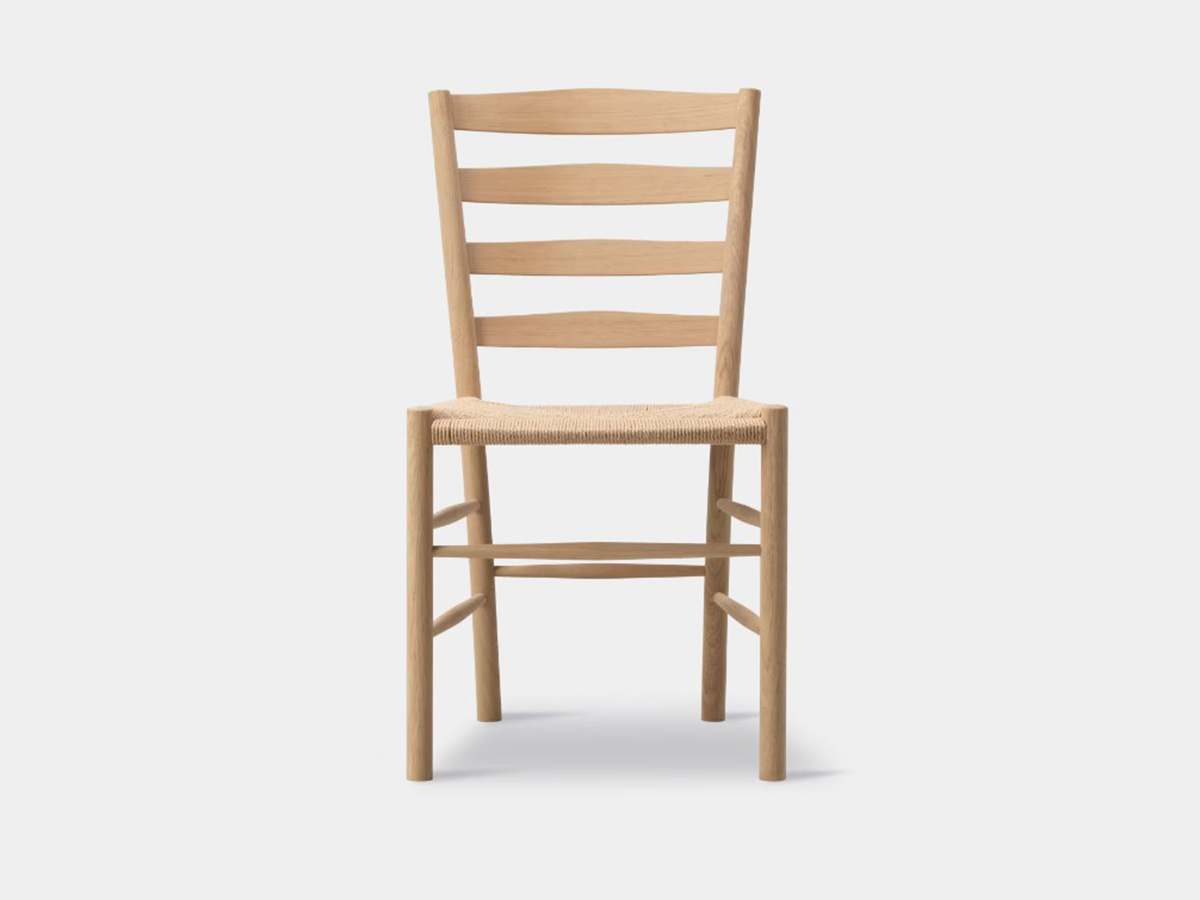
The Klint chair by Fredericia is an example of elegant restraint applied to living room furniture. The strength of this model, created in 1936, lies precisely in its clear lack of excess, focusing instead on the definition of a solid and perfectly outlined structure. Klint is available in various light and dark finishes, allowing it to adapt easily to the needs of the contemporary home. Its strength also lies in this: in the quality of its individual elements which, once combined, give shape to a seat designed to last over time.
W.48 x D.55 x H.85 cm
Seat Height 45,5 cm
Salvioni Design Solutions delivers all around the world. The assembly service is also available by our teams of specialized workers.
Each product is tailor-made for the personal taste and indications of the customer in a customized finish and that is why the production time may vary according to the chosen product.
To discover the full range of services available, visit our delivery page.
Personalize your request
Frame
Select
Select
Select

Among the most important companies in the world of Scandinavian design, Fredericia can boast a long history studded with success and innovation, where the passion for the furniture design has always guided every crucial step of the company over time. Born in 1911 in the Danish town of the same name, it has since maintained a solid family business aimed at creating original and modern pieces whose roots lie in the craftsmanship of the past. The worldwide resonance of each collection makes Fredericia a company with a broad and diversified taste, capable of surprising the most difficult tastes.Read more
Designed by
Kaare Klint
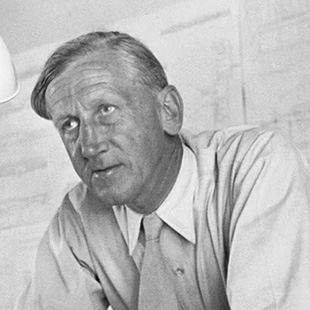
Kaare Klint (1888-1954) is considered one of the great founding fathers of Danish design, initiating a tradition of rational and functionalist furniture that has lasted to this day. He taught for most of his life at the furniture design course at the Royal Academy of Arts, from its foundation in 1924, thus spreading his ideas to several generations of designers who would soon make Scandinavian design style known throughout the world. Reading the list of his students is like leafing through the pages of a design history book: you come across names ranging from Børge Mogensen to Hans J. Wegner, from Nanna Ditzel to Mogens Koch and Poul Kjærholm. At the heart of his thinking was a careful study of human proportions and anthropometry, in his opinion the most important element on which to base the design of a piece of furniture, even beyond aesthetics. Klint loved working on the reworking of historical furniture models and was an opponent of the theories of the Bauhaus which aimed to rethink the way of furnishing the home from scratch, yet his rigidly analytical working method had many points in common with that of the famous German school. Son of the great architect Peder Vilhelm Jensen-Klint (who was the author of one of the great and lesser-known masterpieces of the Danish capital, the wonderful Grundtvig Church), Kaare studied as a painter in his youth before starting to work as an architect in 1917, a role in which he contributed to the design of the Danish Museum of Art & Design (1921-26). At the same time he began to design furniture, produced at the time by Rud. Rasmussen (a brand later purchased by Carl Hansen & Søn, which today offers many of his most famous creations in its catalogue) and by Fritz Hansen. Other creations of his appear in the catalogues of Fredericia and Le Klint, a brand founded by his father and specialising in the creation of lamps with paper diffusers.Read more