Gubi
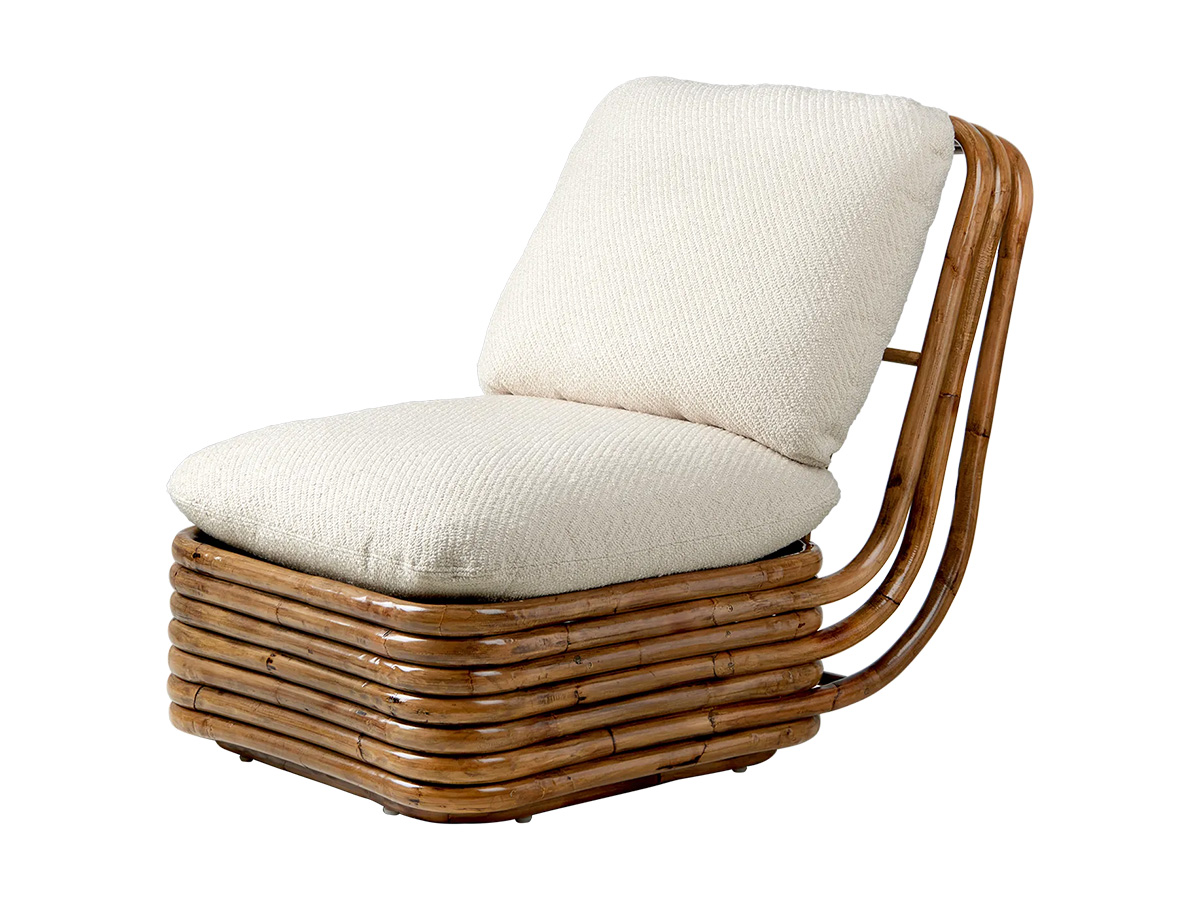
Bohemian 72 Outdoor Armchair
Price starting from € 2,338.00*
*Price valid for the version covered in fabric cat. A and rattan frame (cod. 43580).
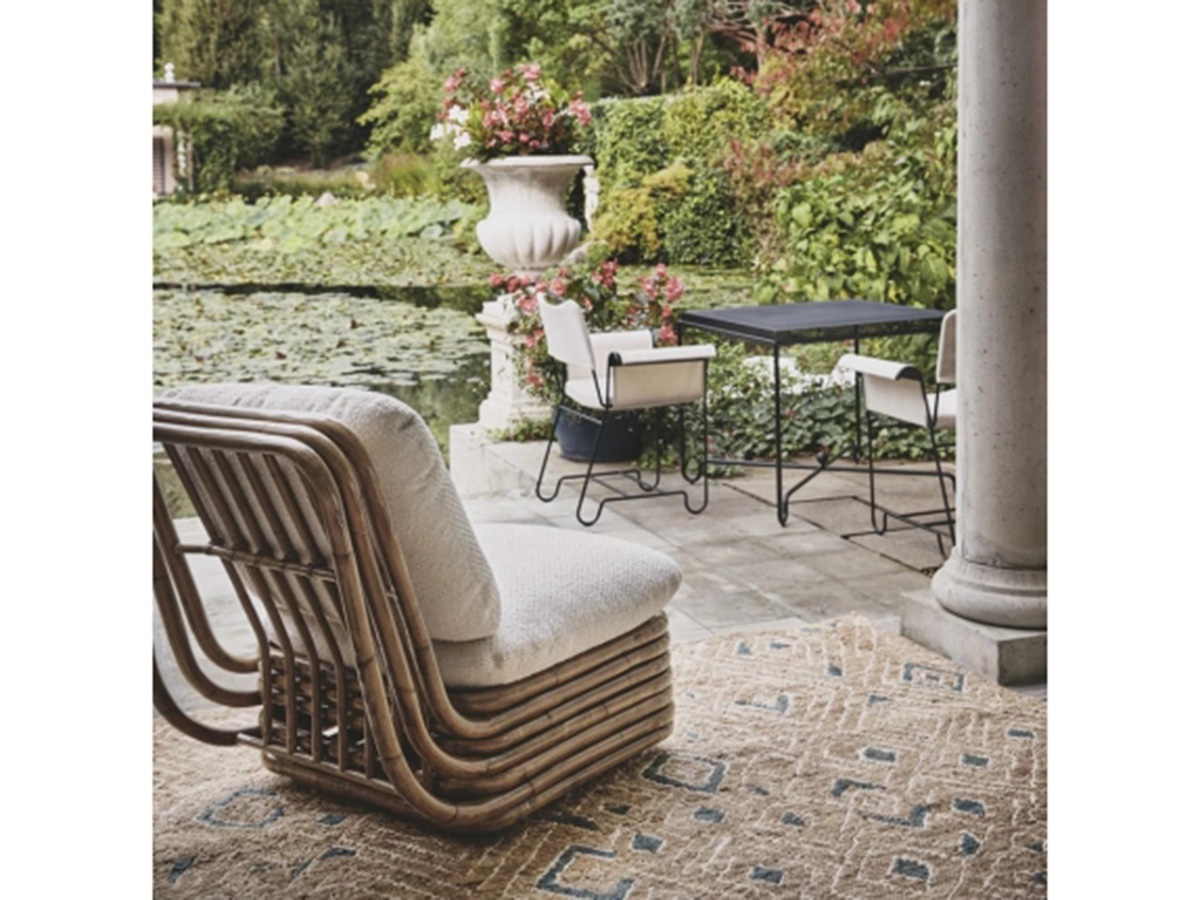
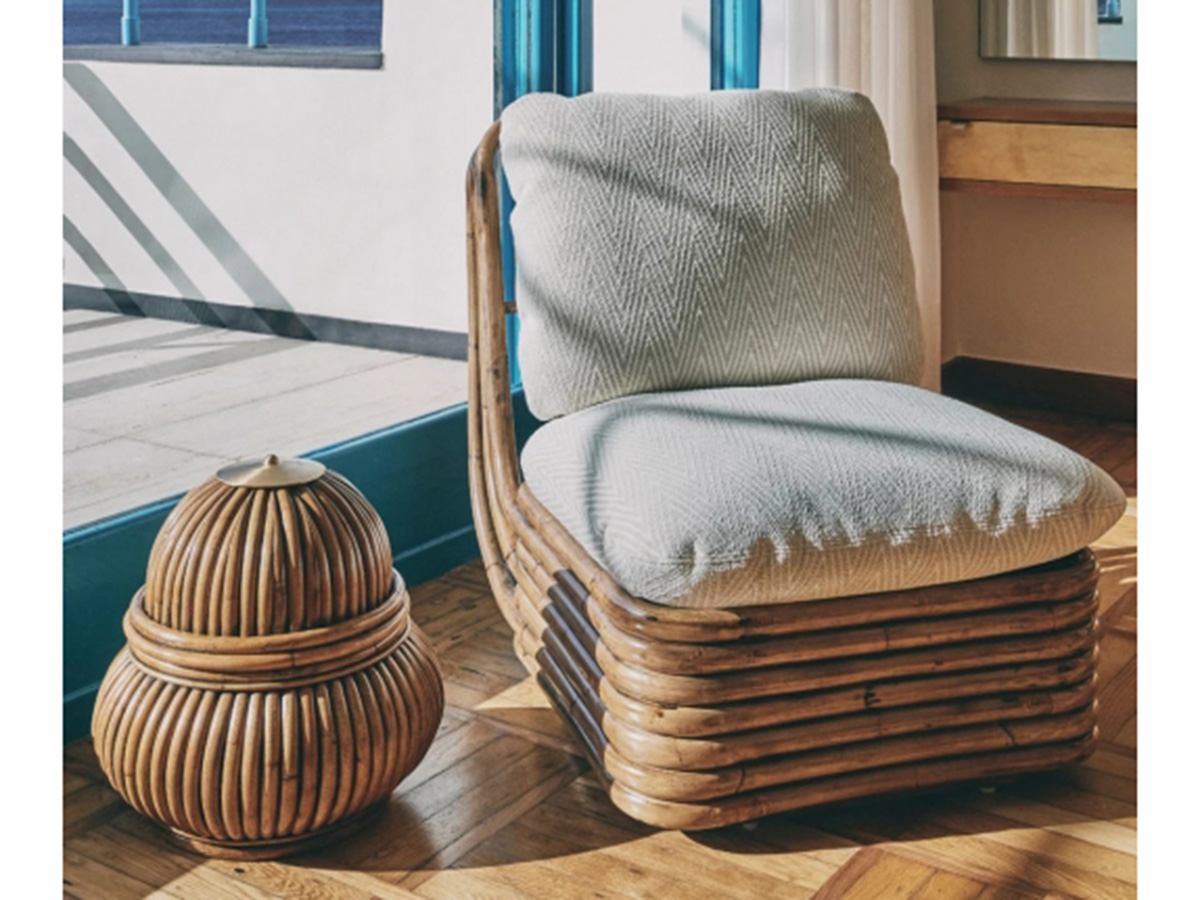
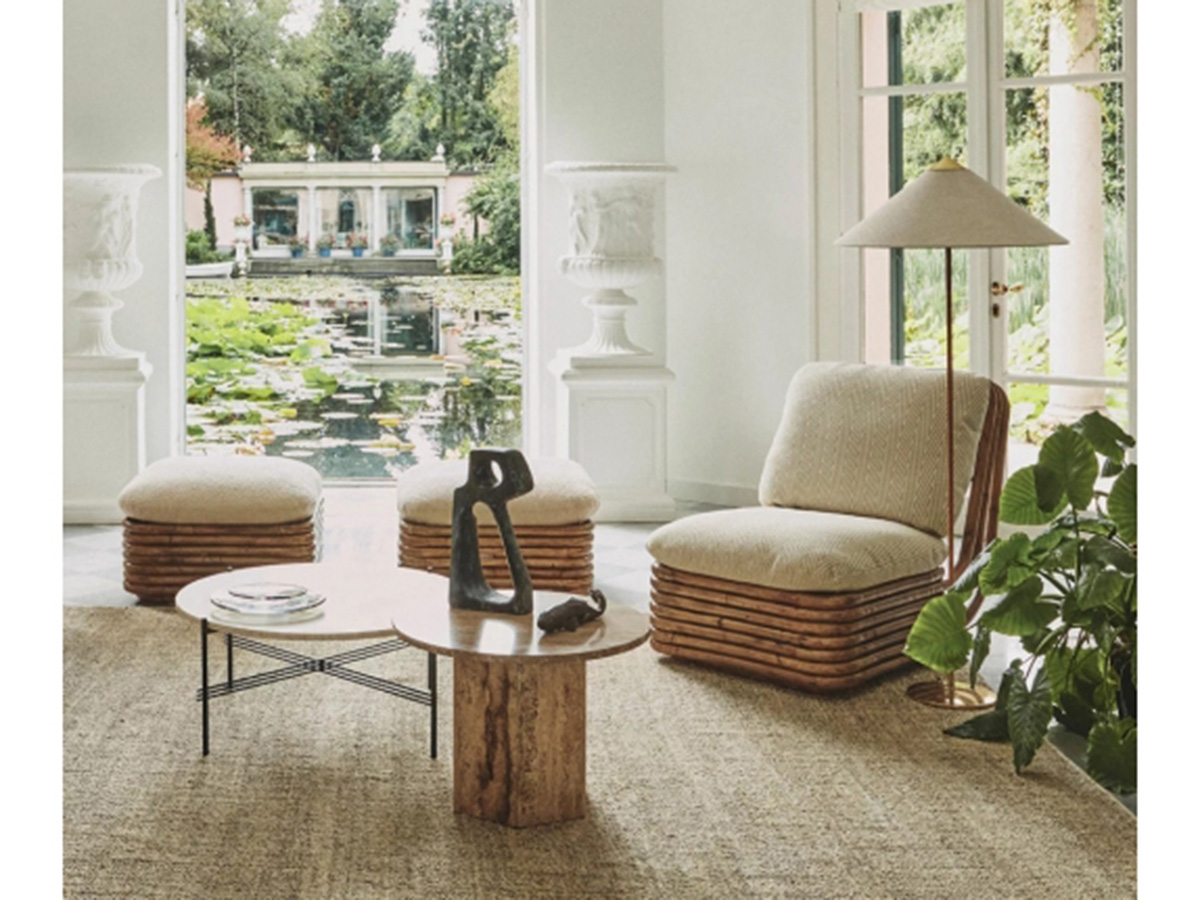
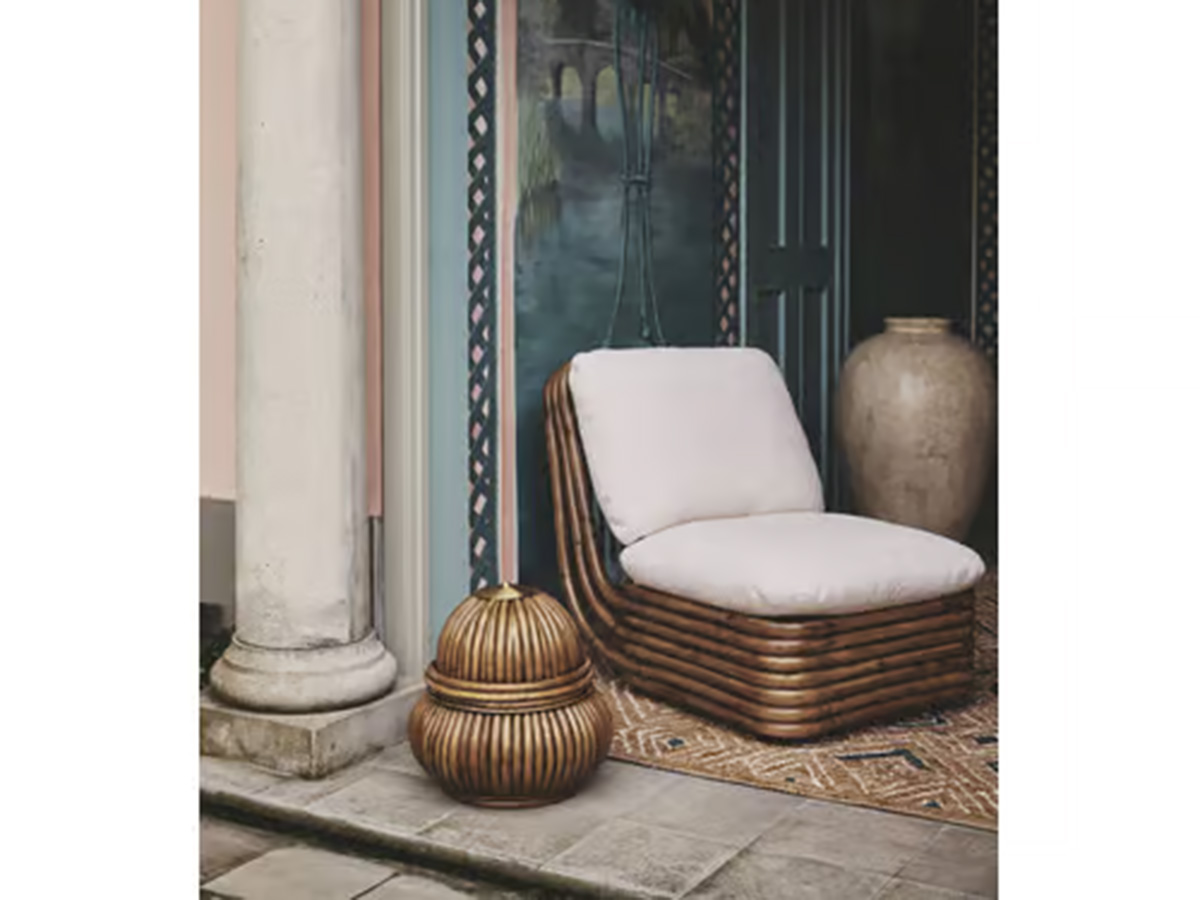
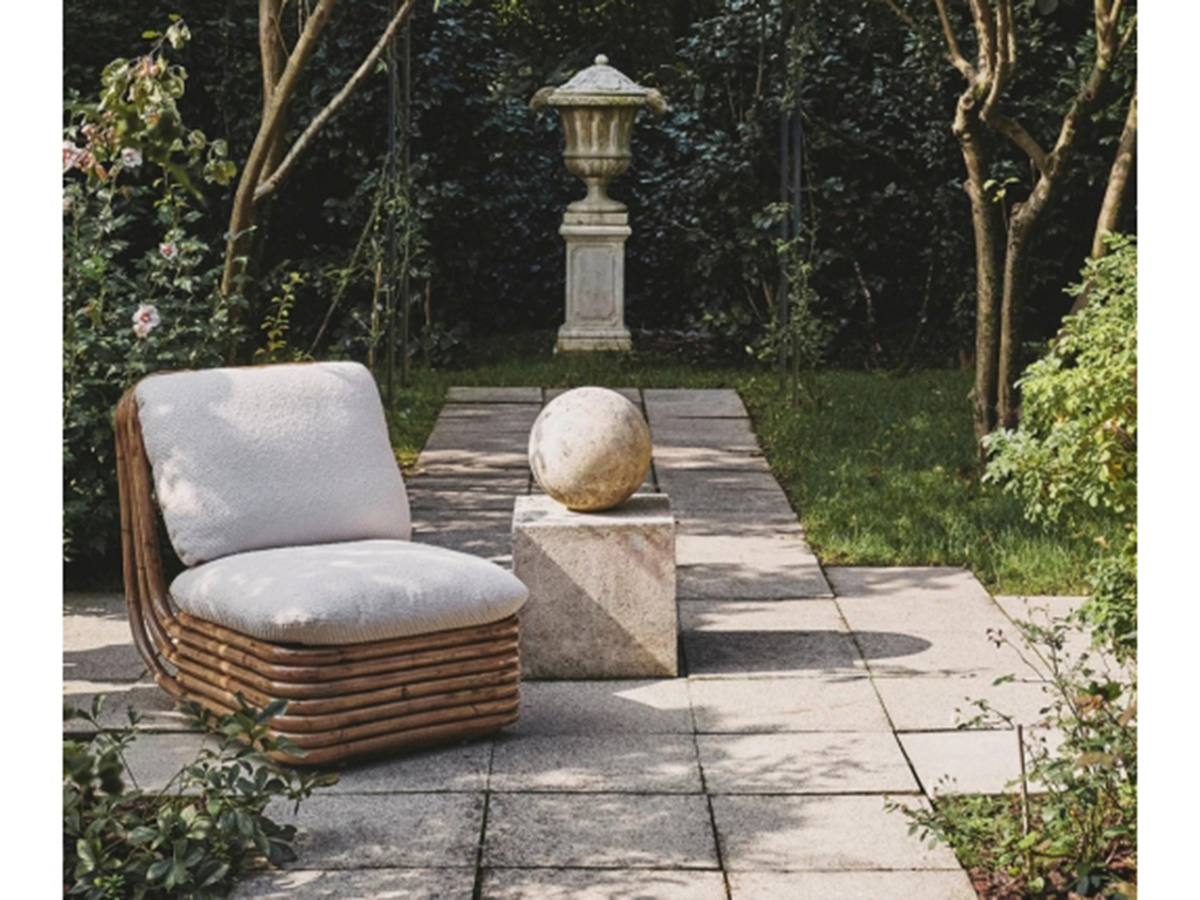
The Bohemian 72 armchair by Gubi, designed by Gabriella Crespi, embodies the effortless, sun-drenched elegance of the 1970s. Crafted from hand-worked, bent rattan, it expresses the harmonious meeting of craftsmanship and sculptural sophistication that defines Crespi’s language. Its fluid lines, enveloping profile, and natural texture create a warm, refined balance, while the generous cushions ensure comfort and softness. Reintroduced by Gubi, Bohemian 72 celebrates the legacy of the Italian designer, bringing into the present an icon of sensuality, travel, and creative freedom.
W.105 x D.70 x H.90 cm
Seat Height 43 cm
Salvioni Design Solutions delivers all around the world. The assembly service is also available by our teams of specialized workers.
Each product is tailor-made for the personal taste and indications of the customer in a customized finish and that is why the production time may vary according to the chosen product.
To discover the full range of services available, visit our delivery page.
Select
Select
Select

Last born among the giants of high-end Danish design, Gubi stands out for its "heretical" style, very distant from the fruitful Scandinavian tradition. More than sobriety and simplicity, this company prefers a polished refinement, to the inspiration of nature it replaces clear retro-chic references, revisited with great inventiveness in a contemporary point of view. Suspended between past and future, Gubi furniture has a highly iconic appearance, combined with high quality construction. The Gubi catalog is very wide and covers all areas of furniture: from chairs to sofas, from tables to furnishing accessories, passing through a vast and appreciated selection of lighting.Read more
Designed by
Gabriella Crespi
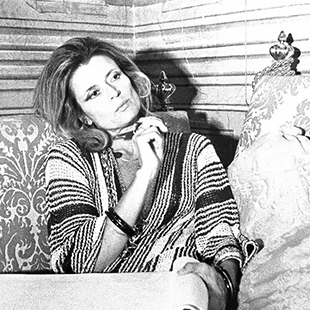
Gabriella Crespi (1922-2017) is remembered mainly as the “jet-set designer”: her pieces were present in the homes of some of the most prominent figures of the time, from Grace Kelly to the Shah of Persia Reza Pahlavi, from Audrey Hepburn to Gunther Sachs. Her creative path followed very peculiar lines, far from any academicism and from the relationship with industry. Having graduated in architecture from the Polytechnic of Milan, she had a brief and unfortunate marriage to Giuseppe Maria Crespi, scion of one of the richest families in Italy. Her activity as a designer began almost as a game, with objects and lamps made by hand and sold to friends in high society, but it gained strong momentum already in the 1960s with a series of collaborations with the fashion house Dior which would sell several products designed by her (objects, table services but also complete furniture). In 1964, having separated from her husband, she opened her first shop in Rome in the Renaissance Palazzo Cenci, followed in 1973 by a store on Via Montenapoleone in Milan. Her success peaked in these years thanks to creations such as the “Plurimi” series (1970-82), made up of sculpture-furniture. Her creations were handcrafted, the result of a multifaceted inspiration that favored warm and intense materials such as metal (especially bronze and brass) and bamboo, expressed in charmingly deco forms. In 1987, she decided to make a radical life choice and retire to India, on the slopes of the Himalayas, to follow the teachings of the spiritual guru Sri Munaraji. In more recent years, she has been the subject of intense critical rediscovery, culminating in an exhibition at the Milanese Dimore Gallery curated in collaboration with her daughter Elisabetta Crespi, a careful custodian of the historical memory of her mother’s works. Some of his collections were later re-proposed by the Danish brand Gubi.Read more