Magis
Transit Trolley
Price € 842.00
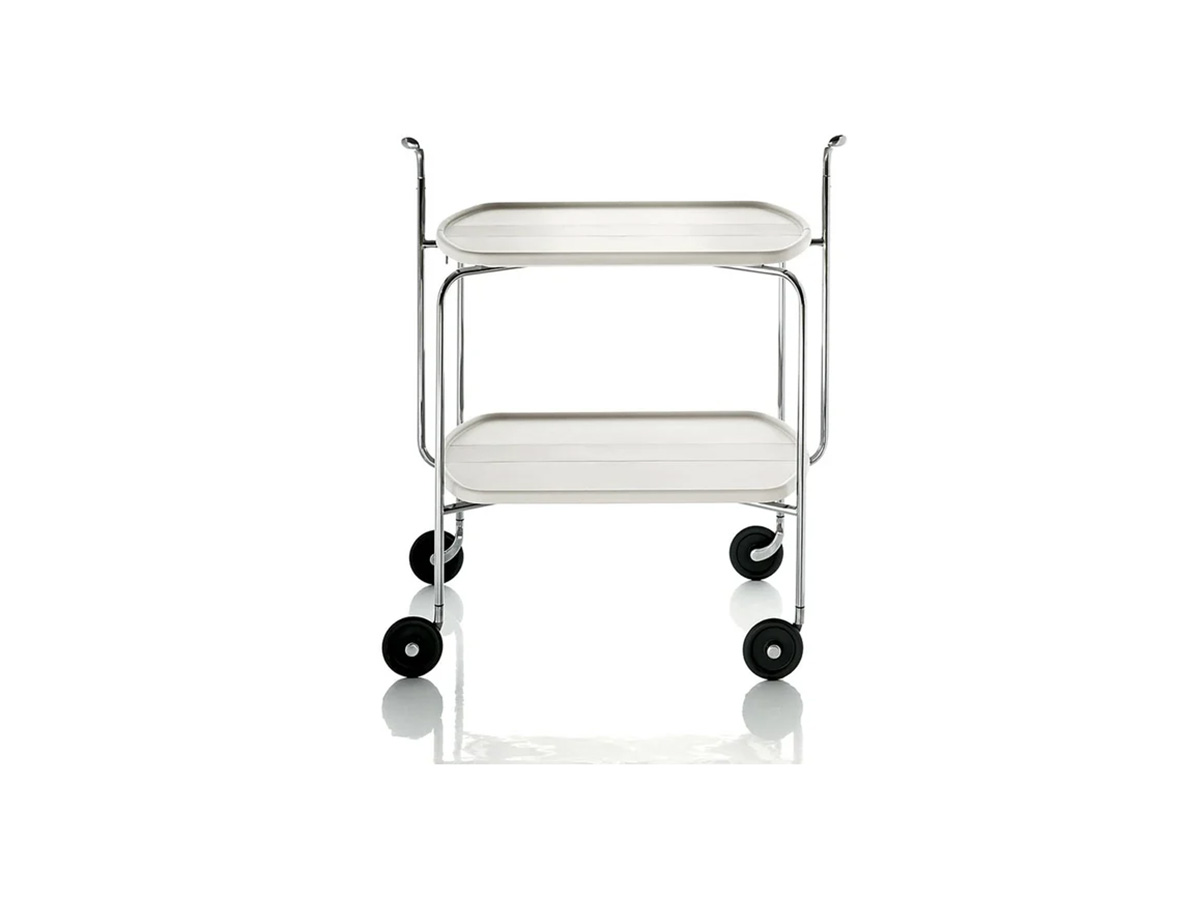
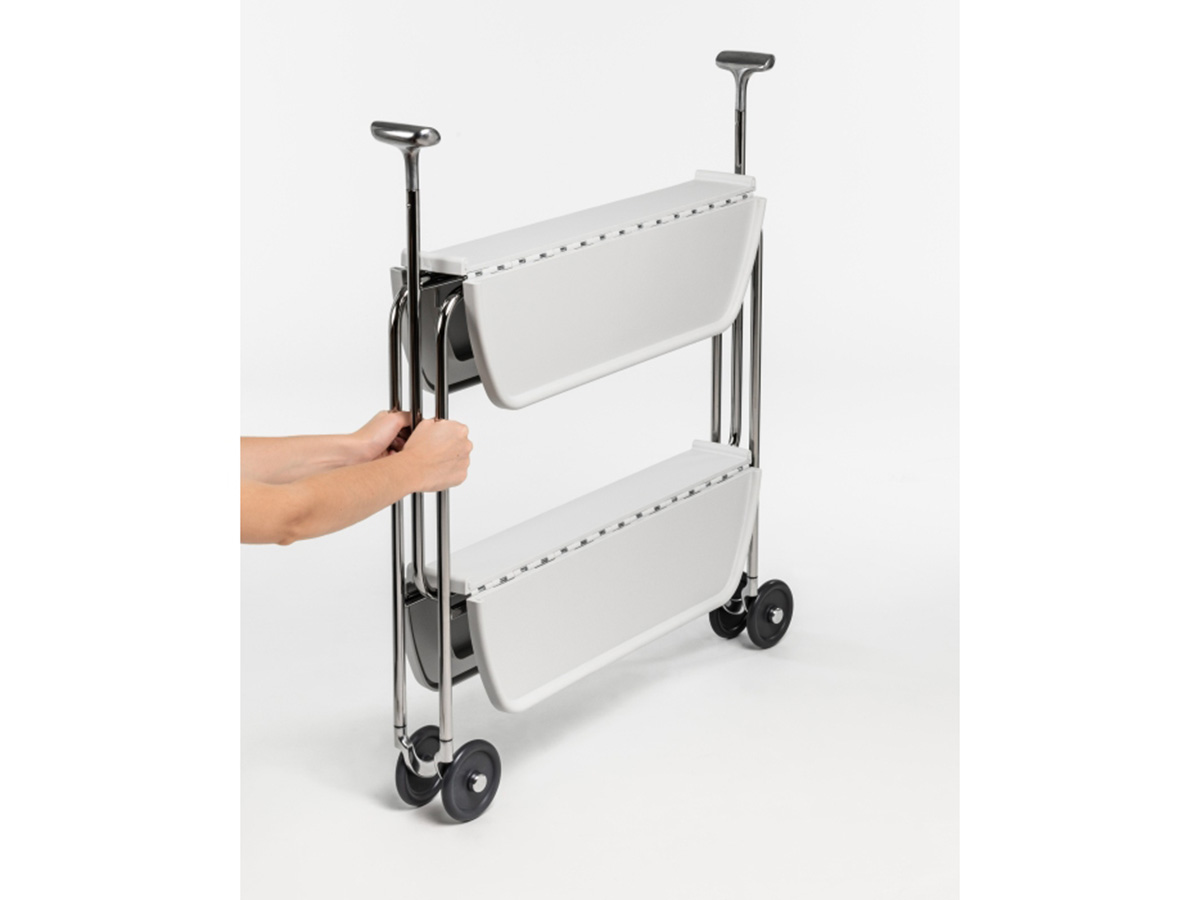
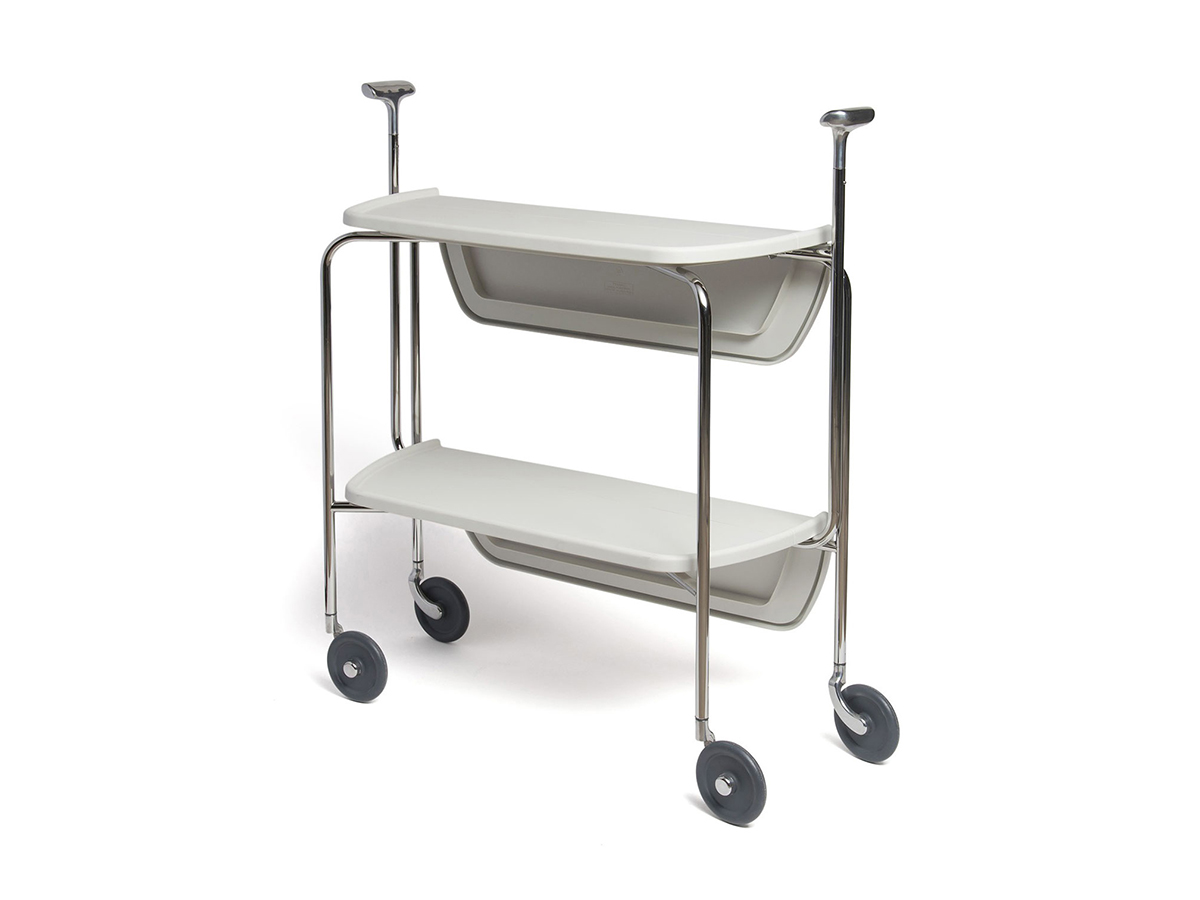
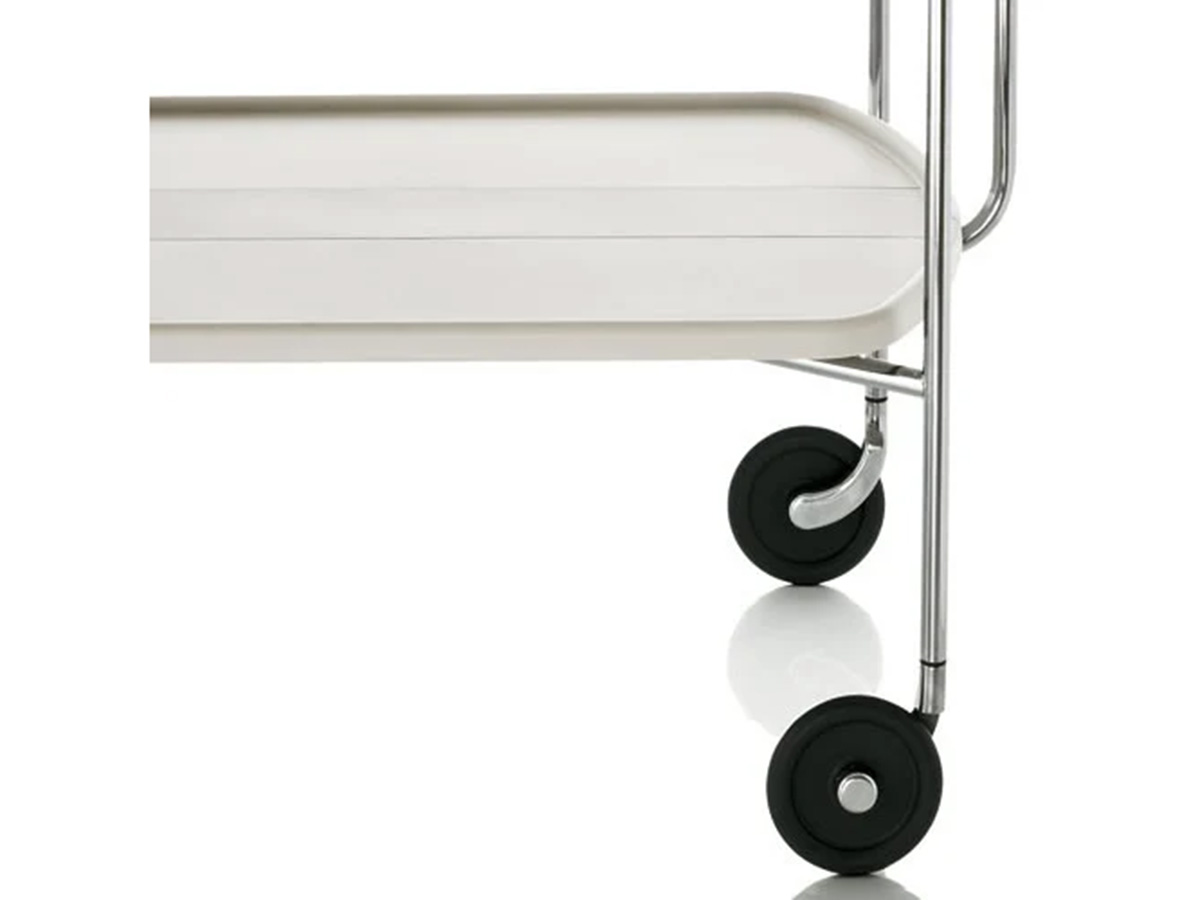
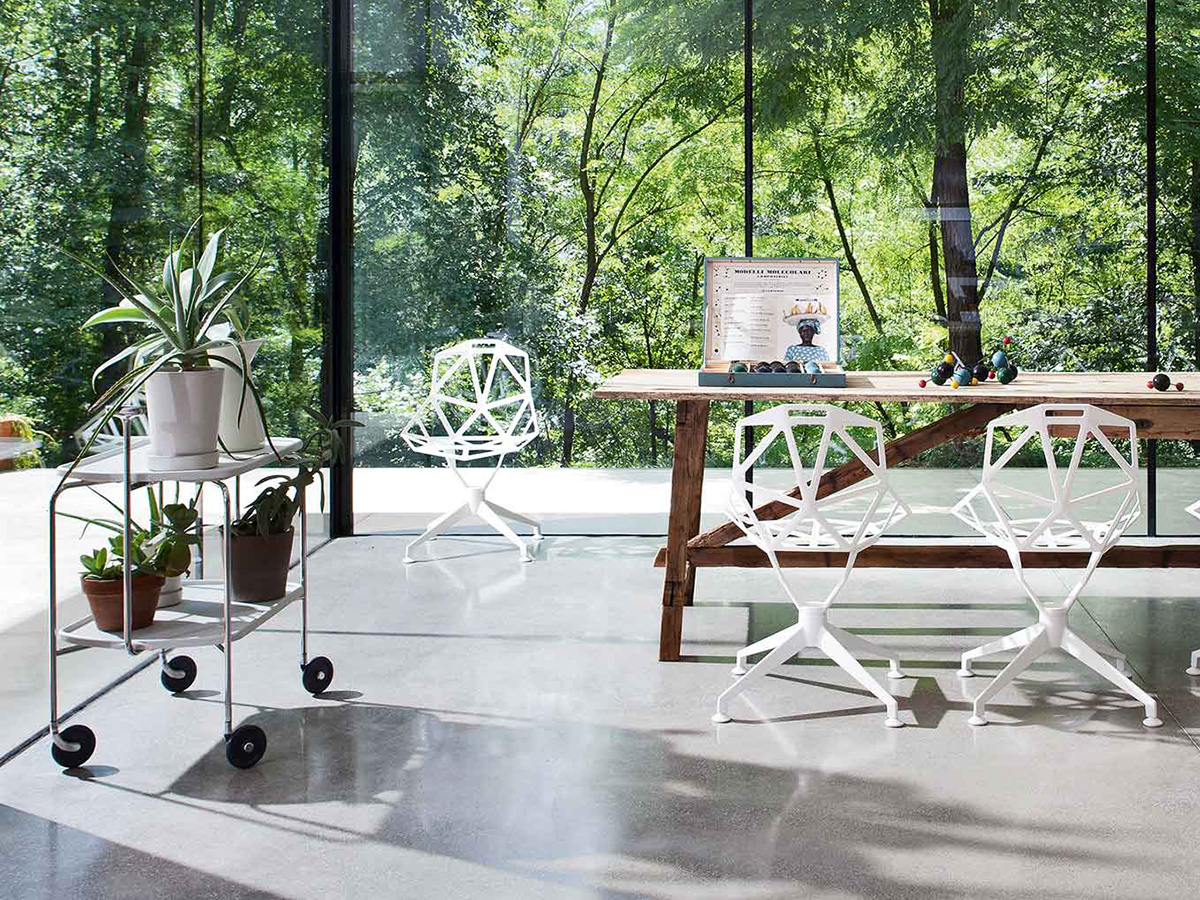
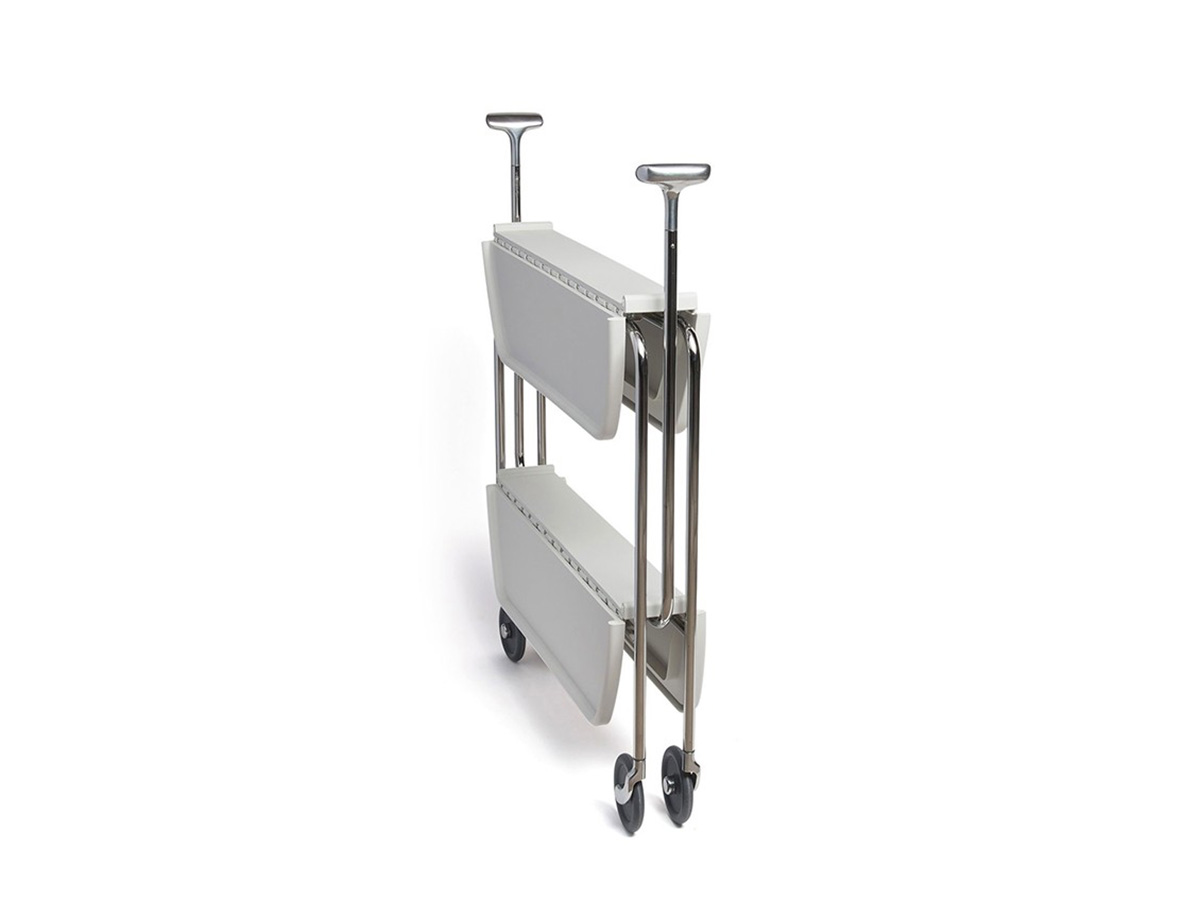
A furnishing element capable of expressing a true state of being. Magis presents Transit, a practical trolley with a simple and minimalist design, perfectly suited to today's tastes. The Transit concept was conceived by David Mellor, who crafted the tubular steel structure with polypropylene shelves and polished die-cast aluminum handles. Transit's distinctive feature is its foldable structure, ideal for storage or space-saving storage within the home. It is available in various finishes, including anthracite gray. When closed, it takes up minimal space, about 13.5 cm. Functional and discreet, it is the ideal object for a variety of homes, a useful element that never fails to charm.
W.75 x D.45 x H.89 cm
Salvioni Design Solutions delivers all around the world. The assembly service is also available by our teams of specialized workers.
Each product is tailor-made for the personal taste and indications of the customer in a customized finish and that is why the production time may vary according to the chosen product.
To discover the full range of services available, visit our delivery page.
Select
Select
Select

Magis has always been a counter-current and ambitious company. From the name, a Latin adverb that means "more", Magis declares its will to go further: beyond the customs and commonplaces of the project, with a constant tension towards novelty; beyond technical barriers, through experimentation with new technologies; beyond the boundaries of the market, with a strong export vocation. That of Magis is a democratic and accessible design, which gets the best from a material with low prices like plastic. A vocation to inclusiveness that has led the brand to also develop the famous Me Too line, the only collection of furniture for children in which the products are not a simple reduction in scale of their traditional versions, they but are entirely designed from the outset “to child size".Read more
Designed by
David Mellor

David Mellor (1930-2009) was one of the most important British designers of the twentieth century, specializing above all in the creation of cutlery and kitchen accessories still produced by his eponymous brand. A native of Sheffield, the historic center of the English cutlery industry, David Mellor studied design at the Royal College of Art in London and soon became known as a young enfant prodige of English design: one of his most successful models, the Pride cutlery line (1951, entered into production in 1954) was designed when he was still a student and a few years later, in 1962, he had the honor of being the youngest person to be awarded the title of Royal Designer for Industry. In the following years, important government commissions led him to design the cutlery used in all the British embassies in the world (1963, “Embassy” line) or in many public canteens such as those of hospitals, armed forces and prisons (1965, “Thrift” line), with creations characterised by extreme simplicity and elegance. However, his activity was not limited to cutlery alone: in 1965 he was chosen by the Ministry of Transport as a consultant for the design of the new national model of traffic lights, still in use today. His works for public spaces also include bus shelters, lampposts and letterboxes. In 1969 he opened his first shop in London in Sloane Square, which is still considered a true city institution. A few years later, in 1973, he then decided to centralise all production in his own factories, built in Sheffield and then transferred in 1990 to a new building designed by Mellor himself in collaboration with the architect Michael Hopkins, the award-winning factory known as Round Building. His social collaborations with foreign companies are very rare: in particular, the one with the Italian brand Magis for the creation of the Transit trolley (1999). President of the Crafts Council, awarded the prestigious Order of the British Empire by the Queen and the subject of personal exhibitions at important museums, David finally decided in 2002 to retire and leave the business to his son Corin Mellor (1966-) who had already been working alongside him for several years.Read more