Interview | Francesco Meda – David Lopez Quincoces
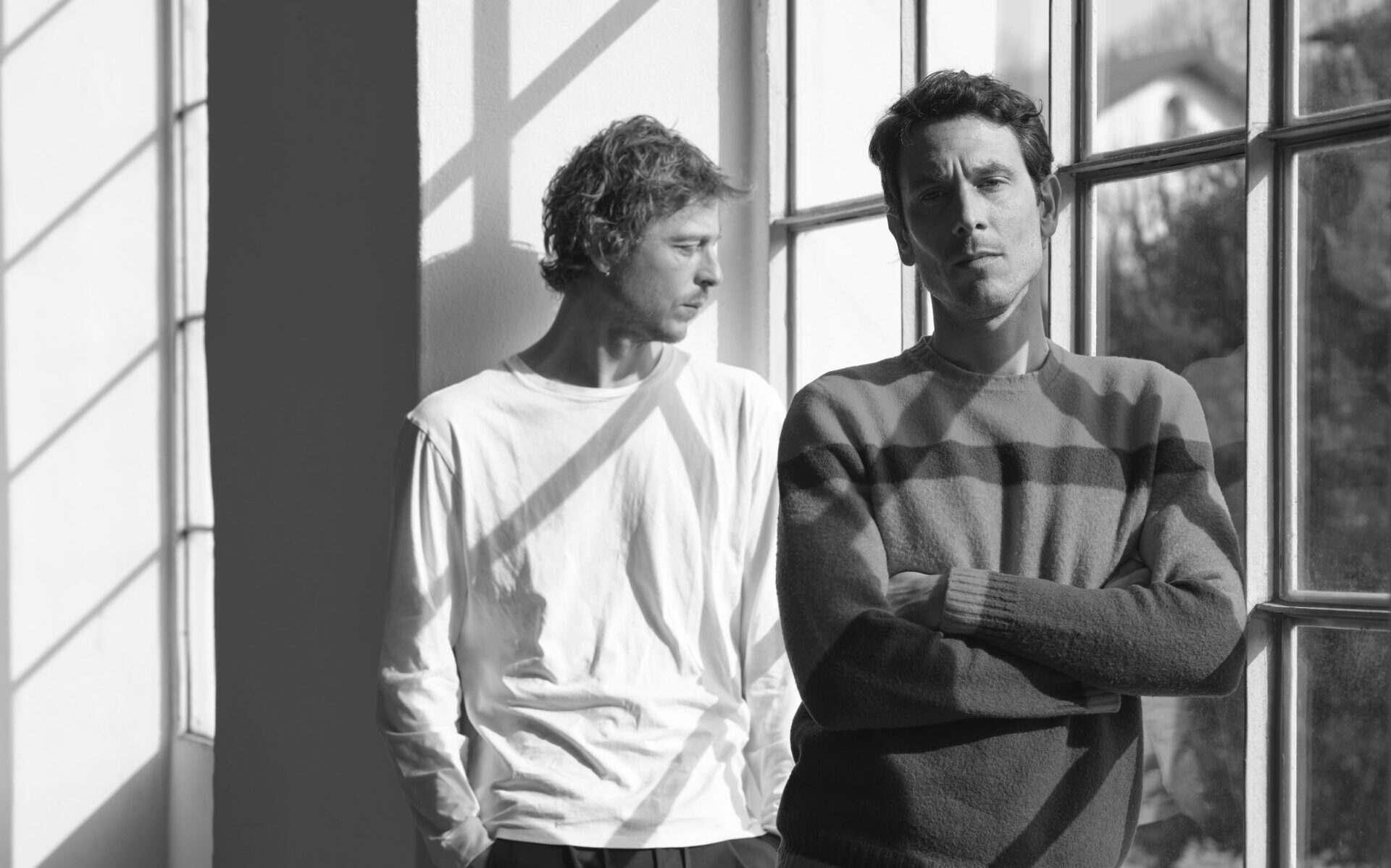
During Milan Design Week 2026, the terraces of the Via Durini showroom hosted a Fast installation curated by the design duo David Lopez Quincoces and Francesco Meda. We asked them to tell us about the collaboration that unites them, the creative directions that define their work, and, last but not least, the creative spirit that inspired their project within the Salvioni Milano Durini showroom.
A design-driven duo. Yours is a long-standing friendship that has evolved into a multifaceted professional collaboration. What led two independent designers to join forces? And how has this decision influenced your careers?
You currently serve as Art Directors for Acerbis, Fast, and Ranieri. What is it like to take on this role for companies that are so different from one another? Is it always a team effort, or do you take on different responsibilities depending on the project?
Today, David and I oversee the creative direction of three very different companies—Acerbis, Fast, and Ranieri—and it is precisely this diversity that makes our work so stimulating. Each brand has its own identity, history, and visual language, and our role naturally adapts to each context.
Acerbis, for example, is a publisher of some of the great masters of design, and much of the creative work revolves around the brand’s archive and historical legacy. It is a unique approach, because every decision must take into account the company’s heritage and the cultural significance of its products. Fast, on the other hand, operates in a completely different world. It specializes in outdoor furniture and has a strong connection to aluminum manufacturing, which it manages entirely in-house. It is a highly technical industrial company, with its own specific needs and dynamics. Ranieri, meanwhile, is deeply rooted in materiality and place, with a strong identity linked to lava stone and a design culture that is profoundly connected to its homeland, Naples.
These differences ensure that there is never any risk of overlapping languages or creating a uniform approach across projects. Each company remains a world of its own, with distinct references, rhythms, and sources of inspiration. The geographical dimension is equally fascinating: Acerbis embodies the tradition of the Brianza manufacturing district, Fast is closely tied to the open landscapes and lake environment of Salò, while Ranieri is immersed in the cultural context of Naples. Different territories, different people, and different ways of working all contribute to enriching both my perspective and David’s.
Our role also shifts depending on the project. Generally speaking, we always work as a team, but we bring different sensibilities and areas of expertise to the process. We spend a great deal of time discussing ideas and refining directions, while always striving to respect the identity of the company we are working with. For us, it is essential that a brand never becomes merely an extension of its art directors. Our goal is to strengthen and enhance its character—not to overwrite it.
The Milan Design Week 2026 have seen you working together once again on a new Fast installation within the Salvioni Milano Durini showroom. Could you tell us about the origins of this project? What was it like to approach the terraces of Via Durini, a small oasis of calm in the heart of the city? And how does this concept connect to Fast’s vision of Urban Living?
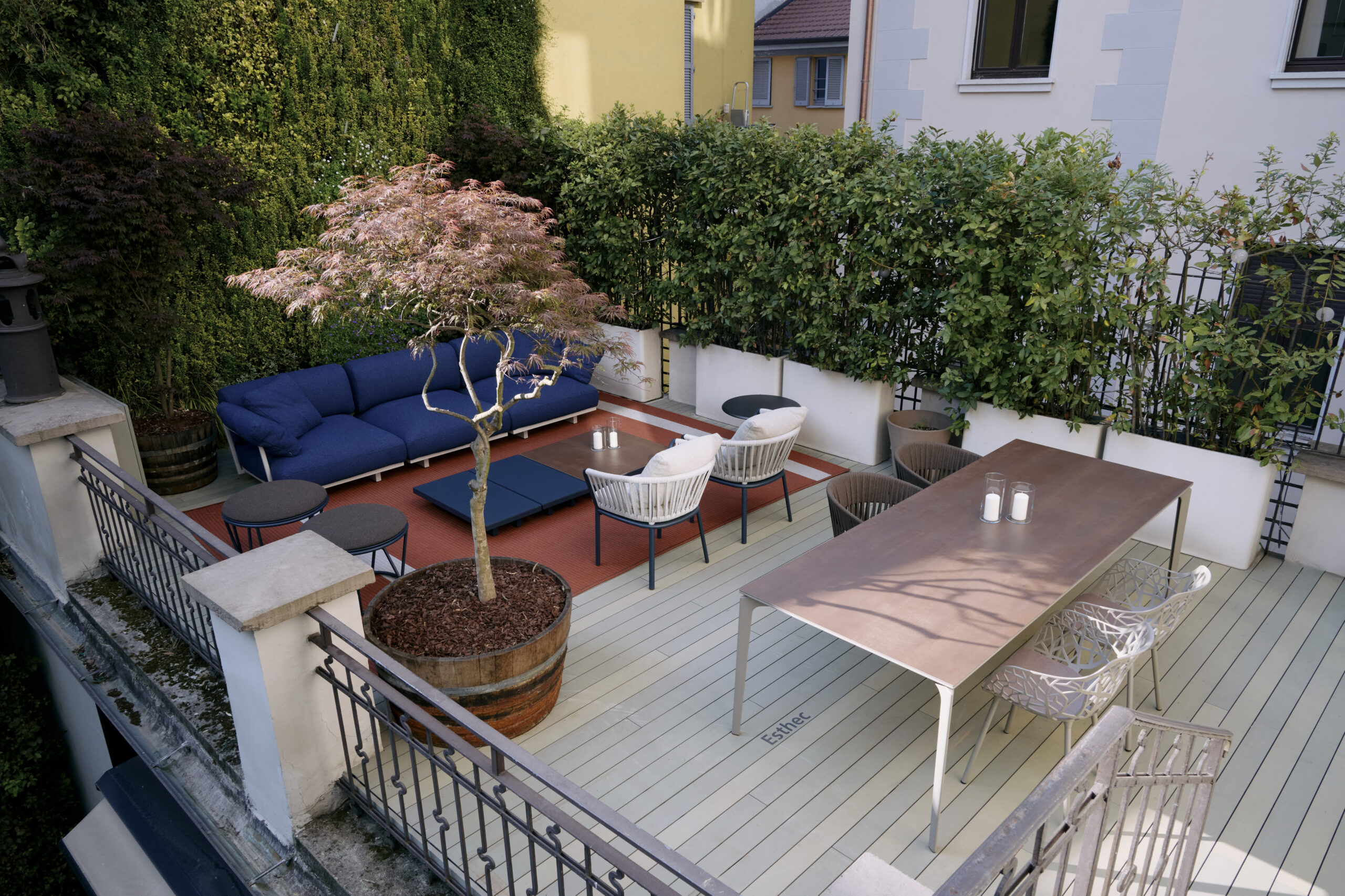
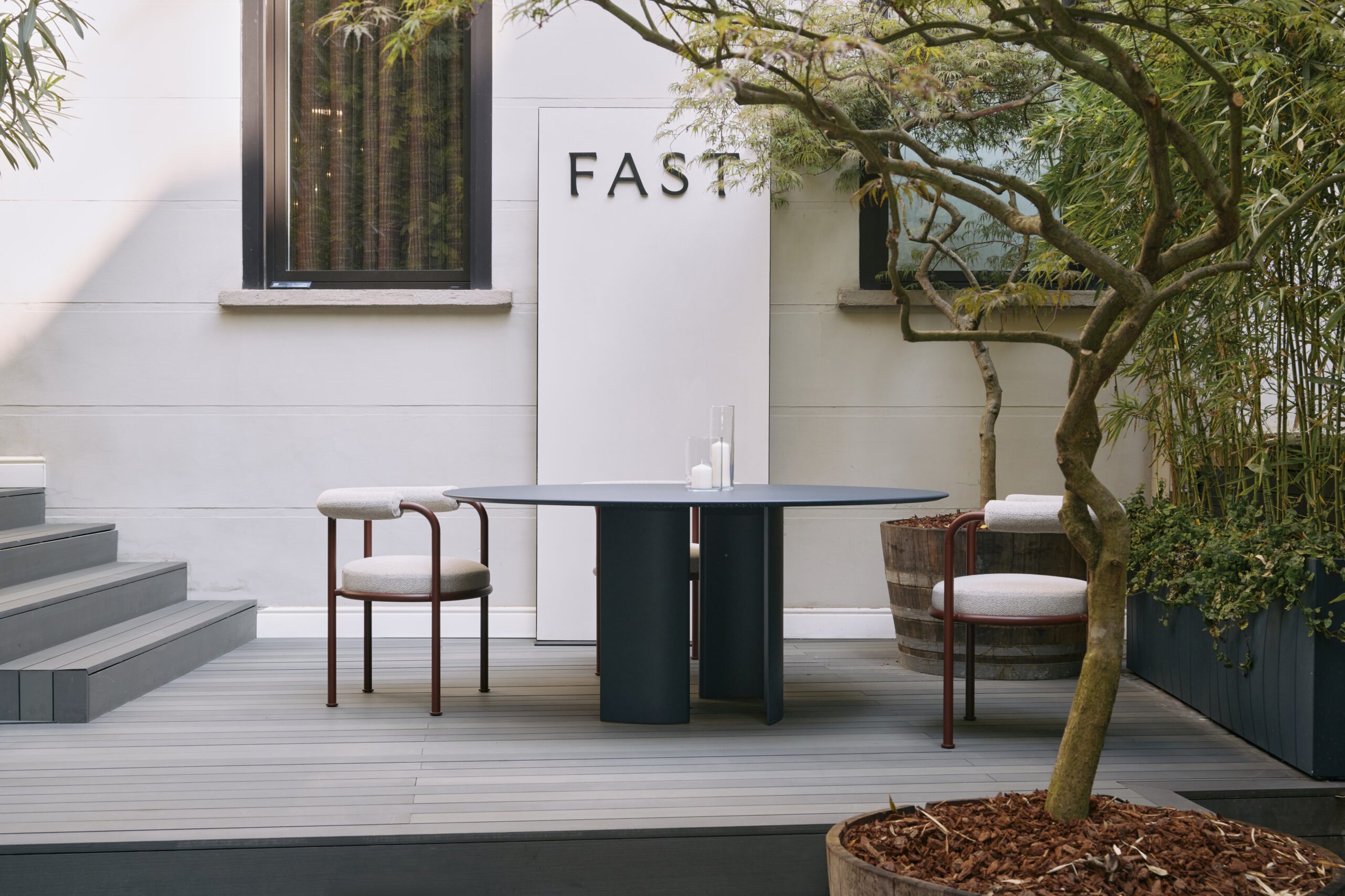
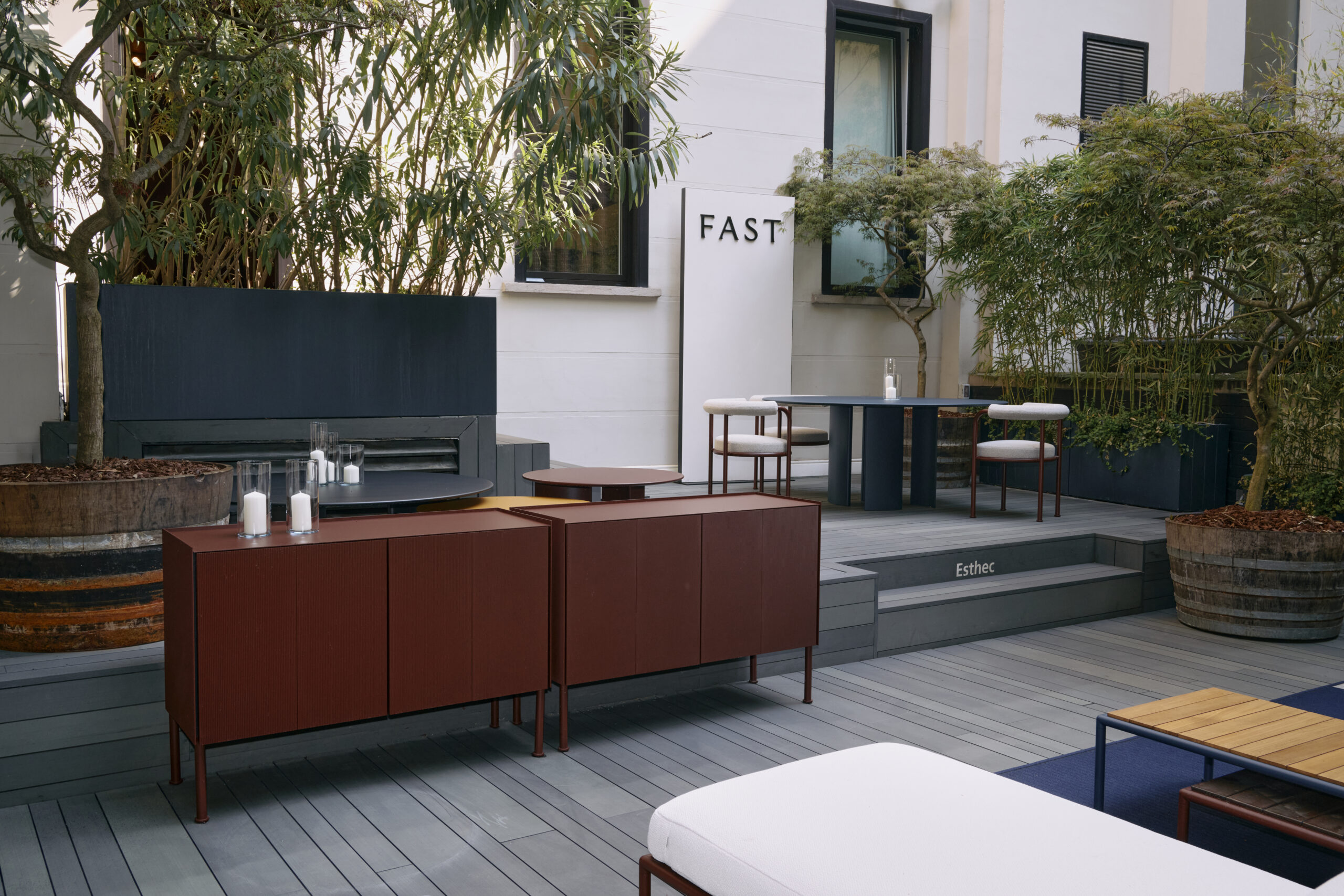
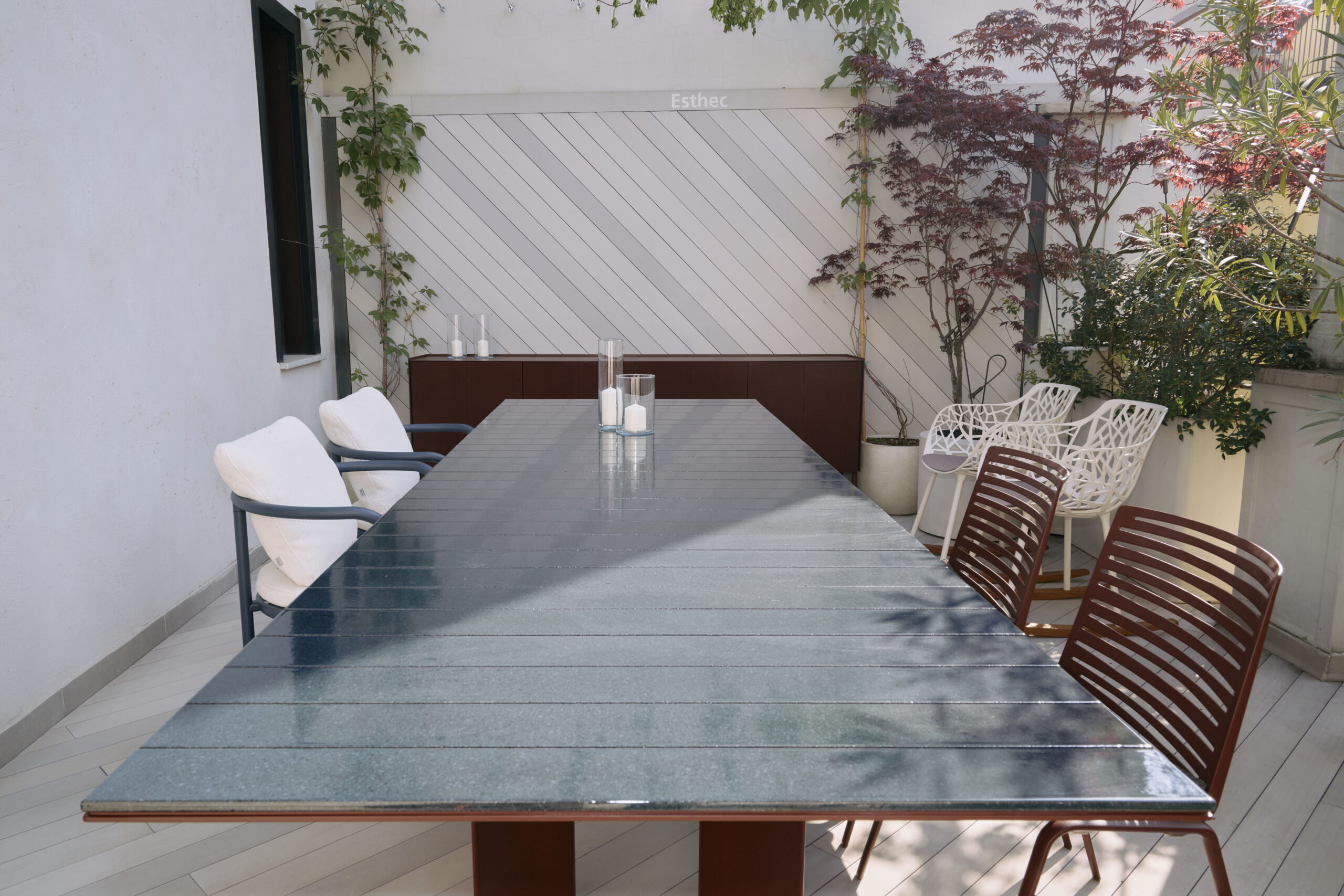
The project emerged very naturally from the meeting point between Fast’s identity and the character of the Salvioni Milano Durini spaces. Fast products have a balanced and understated design language: they are not objects that seek attention through aggressive forms or excessive colours, but rather elements conceived to interact with their surroundings in a fluid and harmonious way. For this reason, we felt that the collections integrated perfectly with the terraces of Via Durini, which are almost like a quiet retreat in the heart of the city.
Our aim was to create an atmosphere capable of enhancing not only the products themselves but also the space as a whole. The furnishings were never intended to dominate the architecture or the setting; instead, they were meant to contribute to a coherent, relaxed, and natural environment. The entire installation was conceived with this sense of balance in mind.
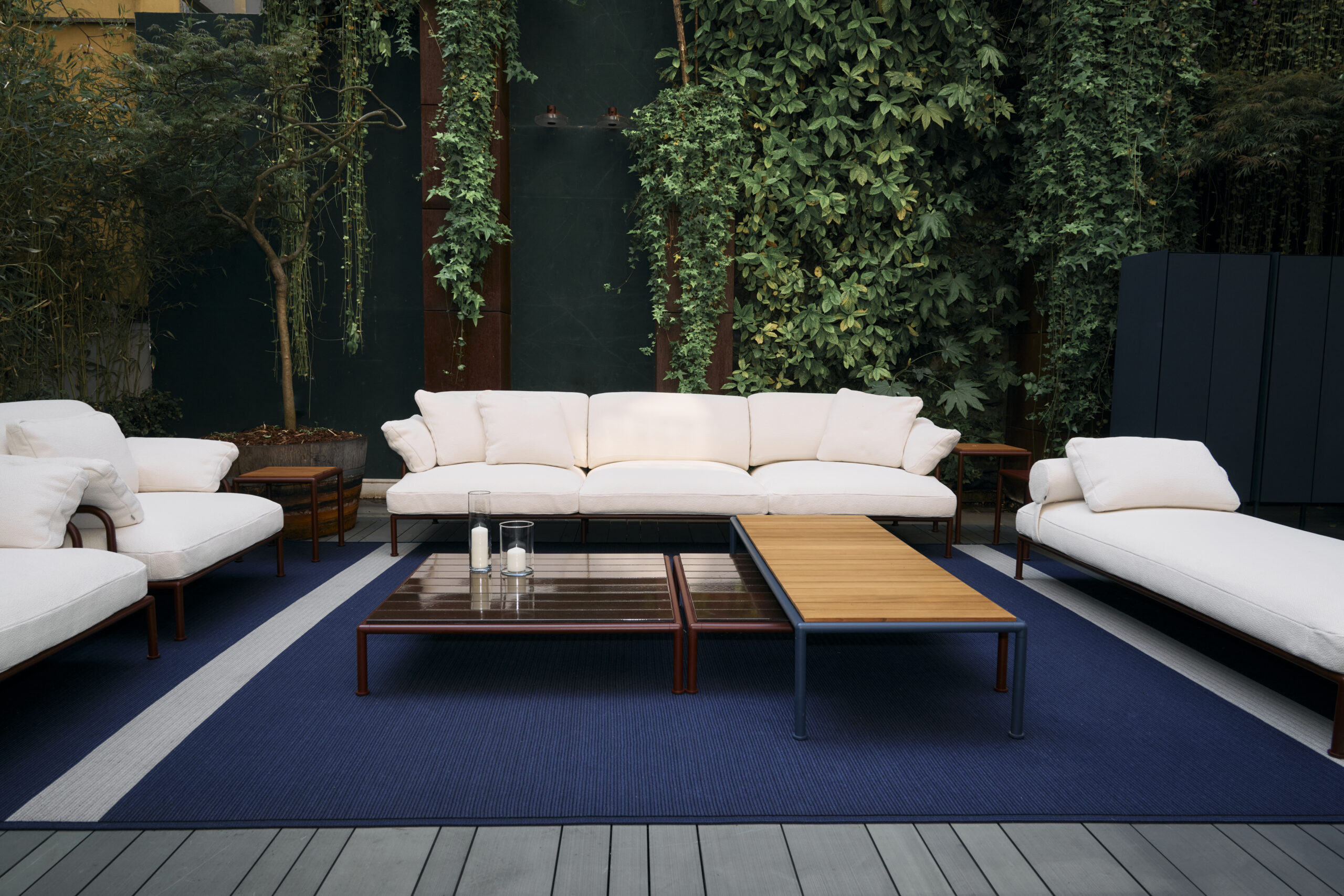
A different approach was taken for the street-level installation on the Via Durini platform. In that case, we adopted a more expressive and convivial language, using the Un Due Tre sofa system as an open and dynamic island designed to welcome passers-by and offer a place to pause, unwind, or simply take a moment to relax. For this reason, we opted for a less conventional configuration than the linear sofa arrangements featured on the terraces, seeking to create something with a freer and more spontaneous presence within the public realm.
The colour palette was also carefully considered. We worked with tones inspired by the natural world, favouring ochre, brick, mustard, and earthy hues that evoke the colours of autumn and the transitional seasons. This choice reflects Fast’s philosophy of creating outdoor products that blend seamlessly with their environment—almost camouflaging themselves within nature rather than standing apart from it visually.
In this sense, the project embodies Fast’s concept of Urban Living particularly well: bringing a calmer, more welcoming, and authentic dimension into the city, where the boundary between indoors and outdoors becomes increasingly fluid and natural.