Interview | Marco Mangili
Marco Mangili is the founder of the international architecture firm Marco Mangili Associati, based in Barlassina (Milan), which later evolved into MMA Projects, and of Dynamic Design, a project management consultancy firm established in Dubai in 2014. Both entities offer integrated solutions to clients, covering residential complexes, commercial buildings, headquarters, and hotels.
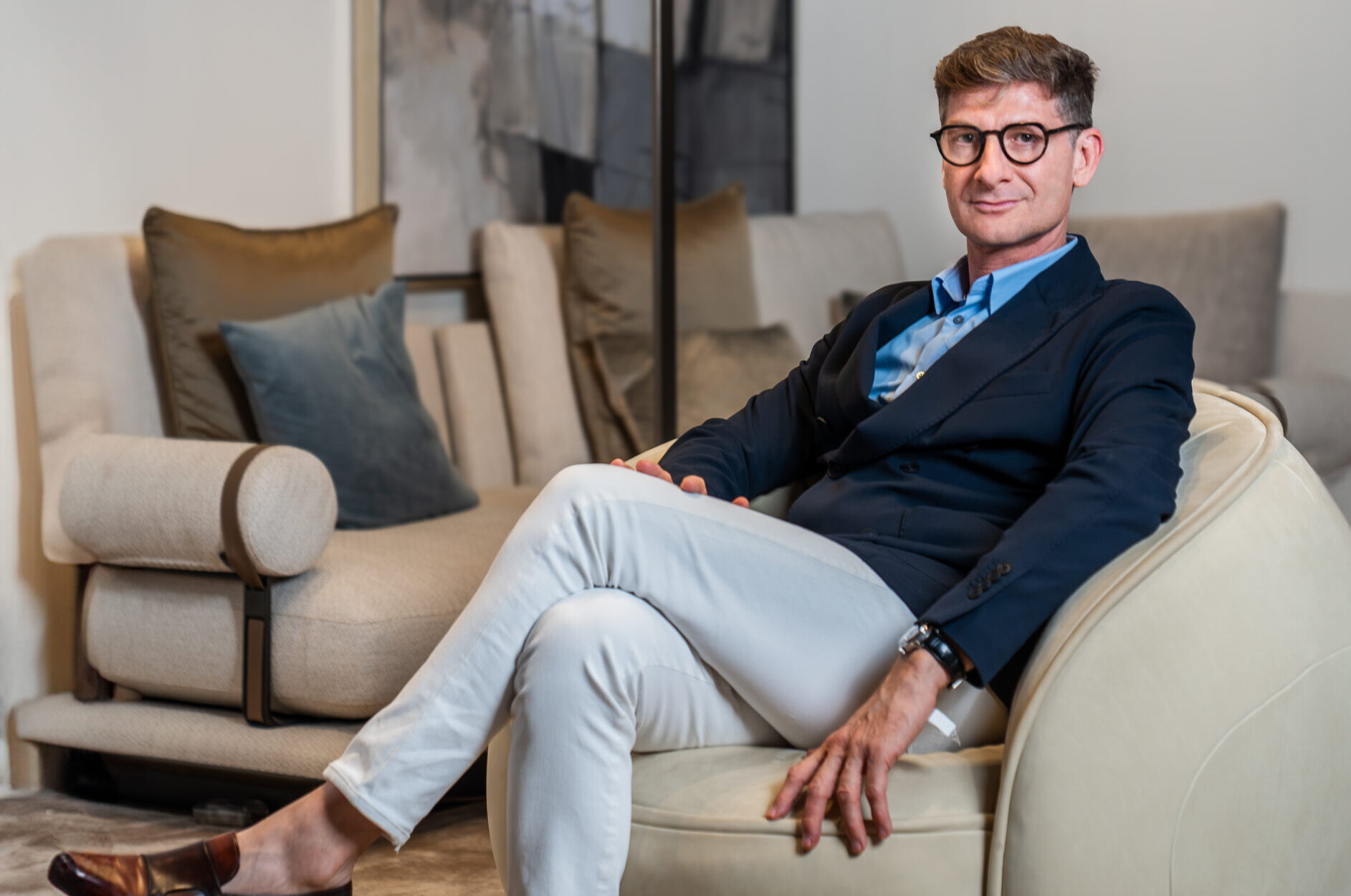
Tell us about your work. How did your journey in the world of design and architecture begin?
My journey started with interior design and a passion for architecture, which led me to found the studio in 1999. Over time, the firm not only expanded by hiring many industry professionals but also began to engage more and more with international markets. The connection with Dubai and the need to oversee major projects and personally manage the progress of work led me to travel frequently and spend extended periods abroad.
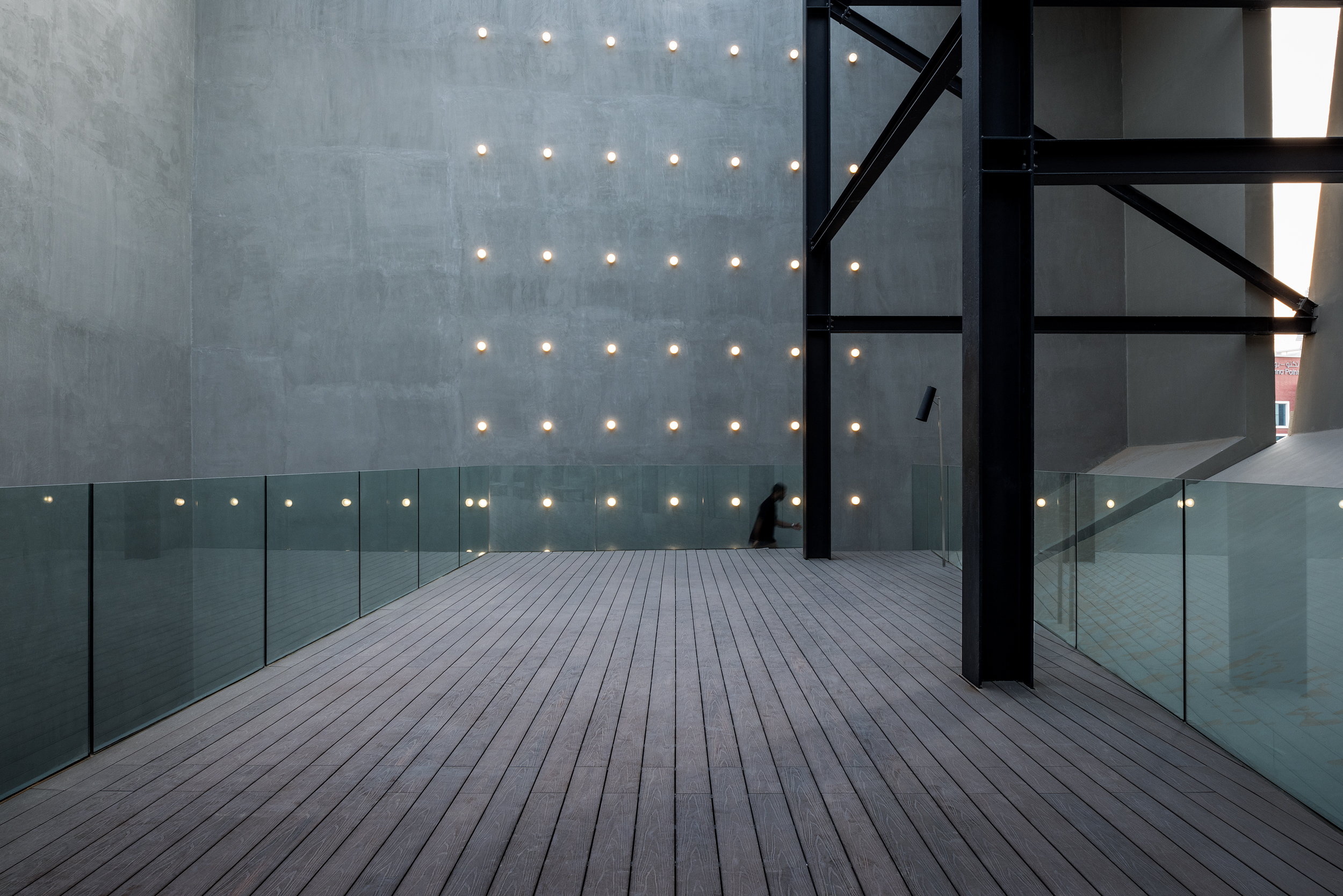
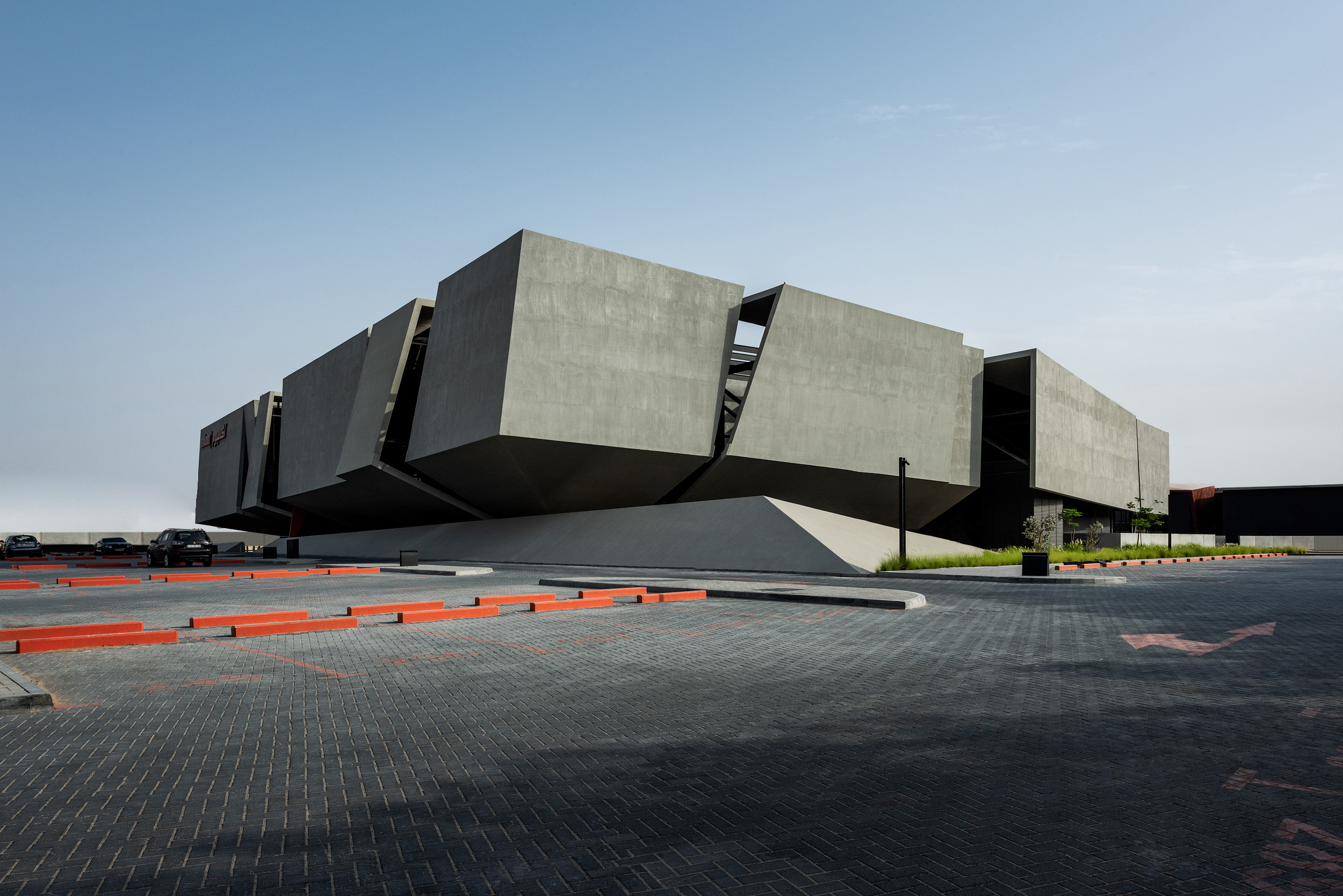
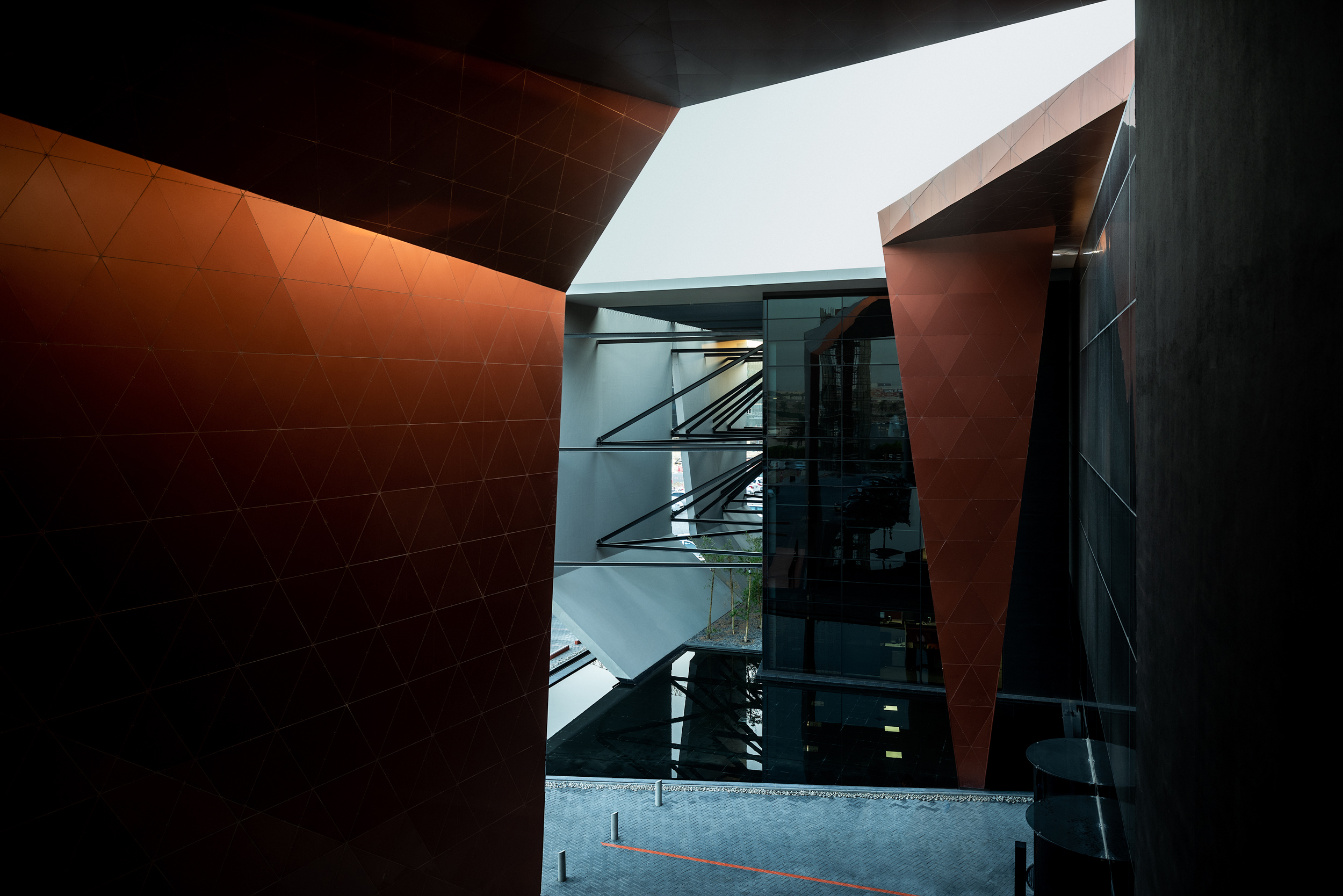
Later, in 2014, you established a second firm, Dynamic Design, in Dubai. What led you to take this important step? What has it been like, and what is it like now, managing such geographically distant realities?
Since its founding, MMA Projects has gradually evolved, becoming increasingly autonomous and consolidated. Today, MMA Projects, in its growth journey, has brought on board key individuals to manage different markets. Two long-standing figures who contributed to our current success are part of the company: architect Alessandro Vaghi, who manages MMA Projects and oversees the Italian and Chinese markets, and interior designer Dorotea De Simone, who handles interior projects and all aspects of the company’s communication.
In 2013, after winning numerous competitions for significant projects, the need for a third-party entity to manage large-scale operations became increasingly apparent. As often happens, major companies rely on local external firms for coordination, administration, and client relations.
In light of that need, in 2014, I decided to take on a new challenge by establishing a company specifically for that purpose. This meant relocating and residing in Dubai, where Dynamic Design is now based. It wasn’t an easy step, as it involved my entire family. In this major venture, my partner and co-founder of the firm, Dorotea De Simone, was by my side.
Moving to Dubai brought a radical change to my life, but then as now, I knew it was the only viable solution: such a close relationship with the Middle East had to be managed locally, without intermediaries or external partners.
What can you tell us about Dubai? What is it like to work in a country so different from the European and Western model? What does it mean to start and manage a project there?
A distinctive feature of this part of the world is that every client is very demanding and likes to be actively involved in every phase of the project. Flexibility is, therefore, a necessary and highly valued trait, as it is often the case that a project starts out in one direction and is completed in a completely different way due to market needs and financial considerations. I’m referring especially to B2B projects, which have short execution times and extremely flexible dynamics.
Private villas, on the other hand, require completely different timelines, as developing residential complexes involves longer and more complex phases.
What might seem frustrating to an outsider is often actually very interesting and challenging, as the final result is highly satisfying and allows for full experimentation—something that isn’t always possible elsewhere in the world.
MMA Projects’ work stands out for its variety of styles and fields, ranging from Residential to Commercial, Hospitality to Retail, and more. Tell us about this versatility. What is it like working across such diverse areas?
One of the main reasons behind MMA Projects’ great success certainly lies in the Italian essence at its core, which is held in high regard. Especially in private residences, the soul of Made in Italy is highly sought after, as it represents a guarantee of a timeless and iconic style.
The studio’s distinctive Italian taste is enriched by external influences. Those who, like us, work all over the world know that the best way to showcase their own design culture is to intertwine it with local tastes, creating new and otherwise unthinkable solutions. In this sense, MMA Projects draws strength precisely from its ability to enhance cultural influences, drawing the best from each.
Tell us more about Dubai, this megacity that rose from the desert and, in just a few years, has multiplied in size with a variety of grand projects and architectural challenges. What is it like living there?
One of the most striking things about Dubai is the absence of limits. Those who live here perceive the lack of boundaries in achieving anything, bringing to life projects that would be unimaginable elsewhere. I often find myself faced with surreal ideas—both good and bad—all driven by a desire to challenge not only human capabilities but imagination itself.
Dubai embodies this concept perfectly: born from the desert in an area that initially seemed devoid of appeal, it is now a true trading hub between the Middle East and the Far East. Investors from all over the world have concentrated their capital here, fueling the most ambitious urban fabric, planned from the ground up with the explicit intent of standing out and continuously growing.
For a Westerner, it’s impossible not to feel a sense of disorientation at first. Dubai lacks the dense network of streets and alleys typical of European cities, whose historical development led to gradual, need-based growth. Instead, it features vast districts and urban areas connected by highways. However, within these agglomerations, one can discover a more human-scale city model. The financial district, by contrast, strongly resembles Manhattan, with skyscrapers and constantly evolving structures.
What do you see in the future of interior design? What do you think will change in how homes are designed?
Today’s world is in constant flux, especially after COVID, the digitalization of everything, the rise of hyper-connectivity… everything moves so fast. Still, I am—and will remain—a romantic. I like to think that, at its core, the way we design won’t change fundamentally, because the artistic component of each project is indispensable.
Dialogue and the free exchange of ideas are inevitable and, as such, will always require certain channels of expression—especially conversational and visual. Surely, many approaches and communication methods will evolve, but I believe that the importance and strength of personal interaction will remain vital in human relationships.
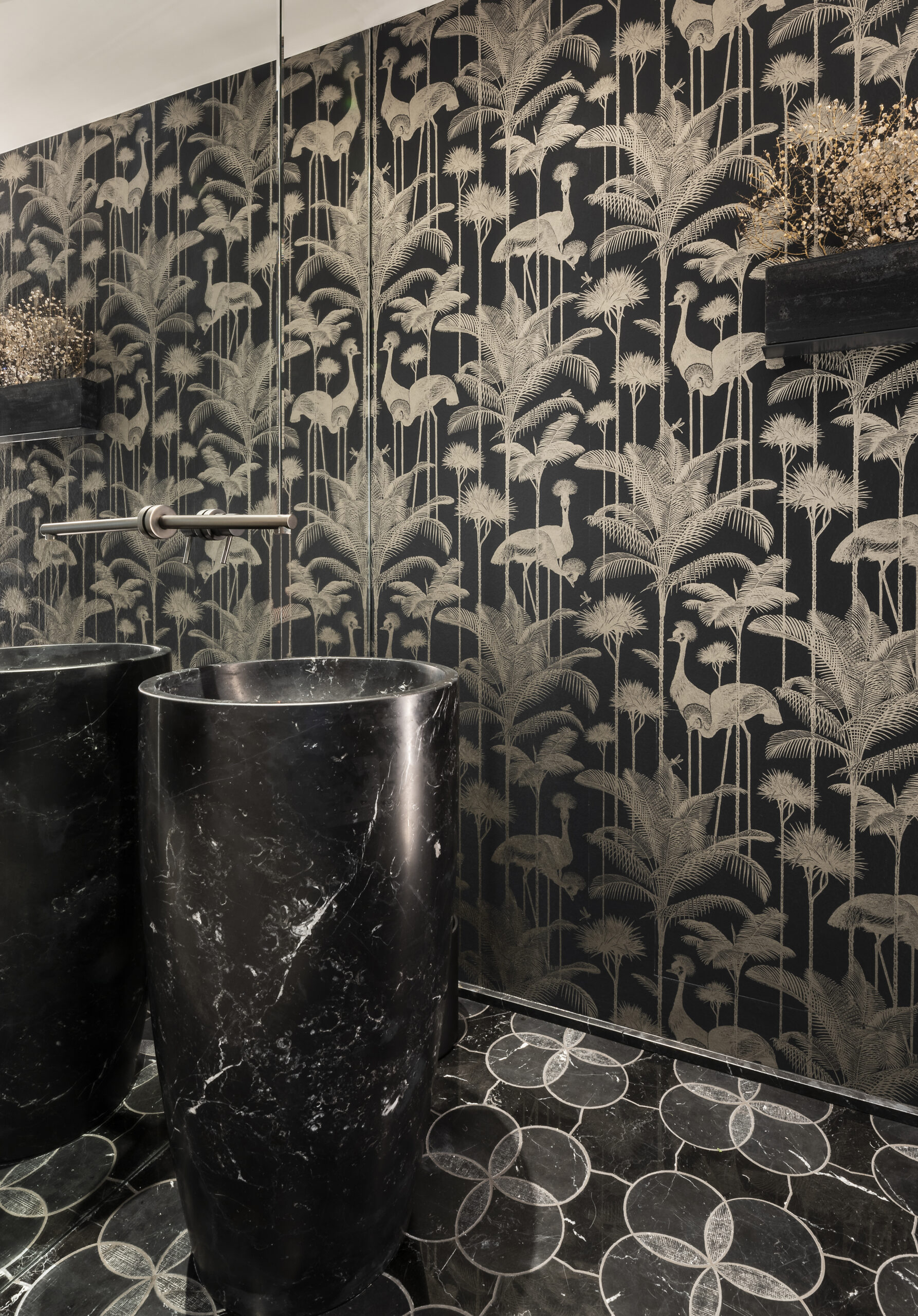
ph by Natalee Cocks / Tushar Naik / Sana Asseh / Vito Corvasce