Ceccotti Collezioni
Stellage 52 Chair
Without Armrests
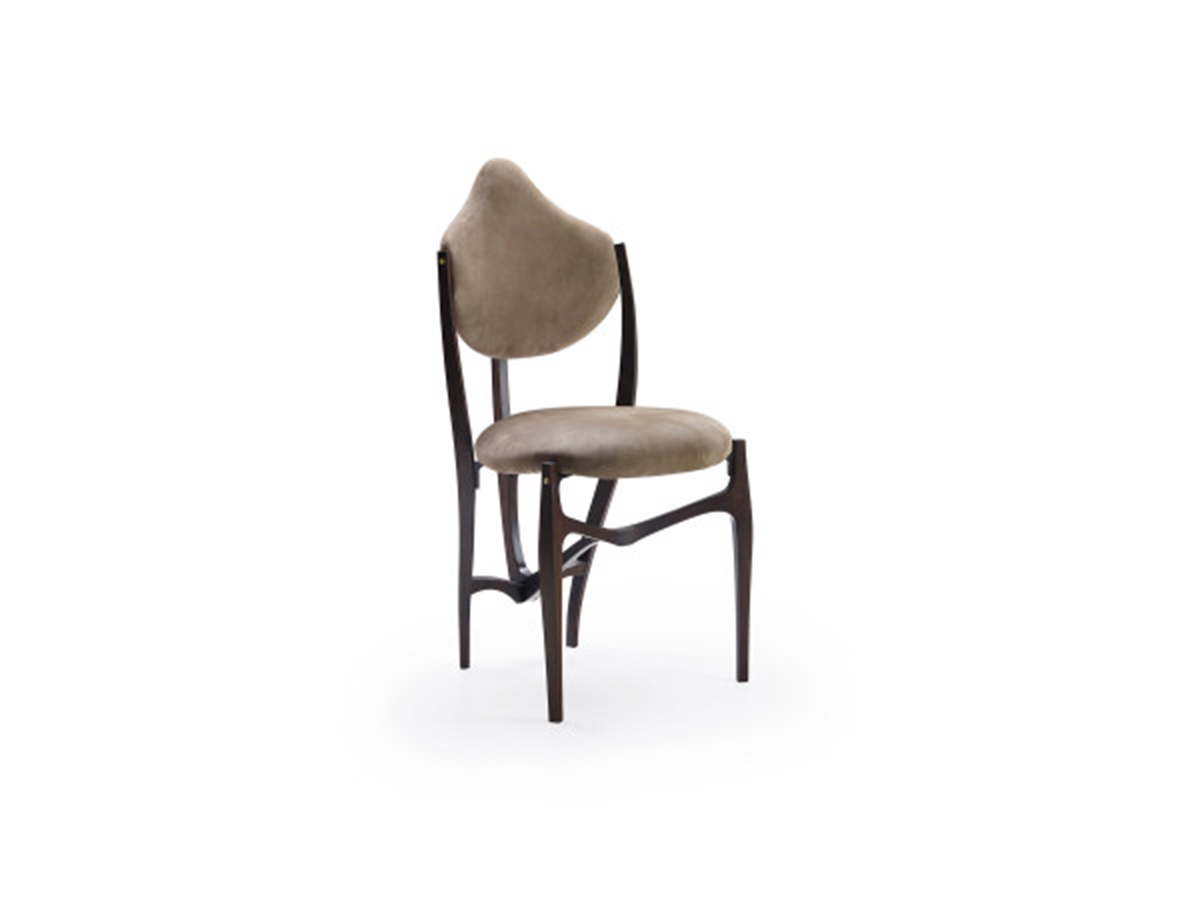
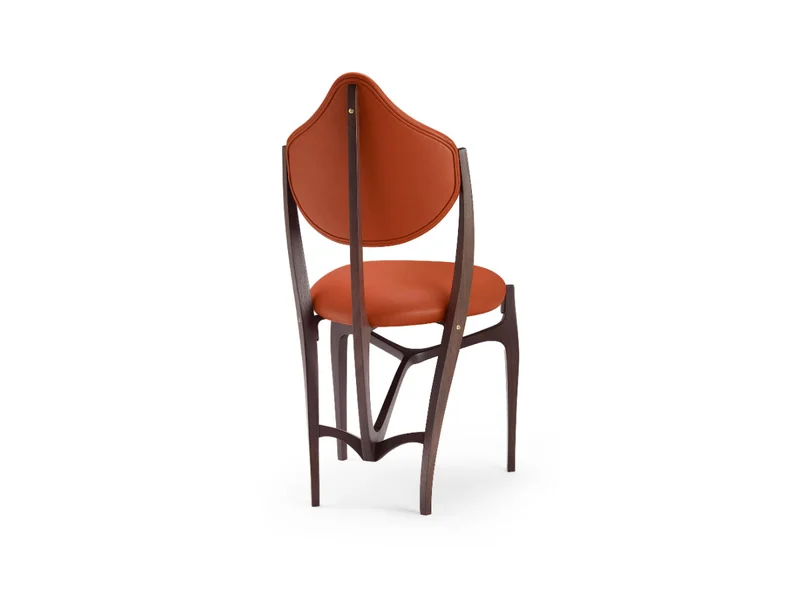
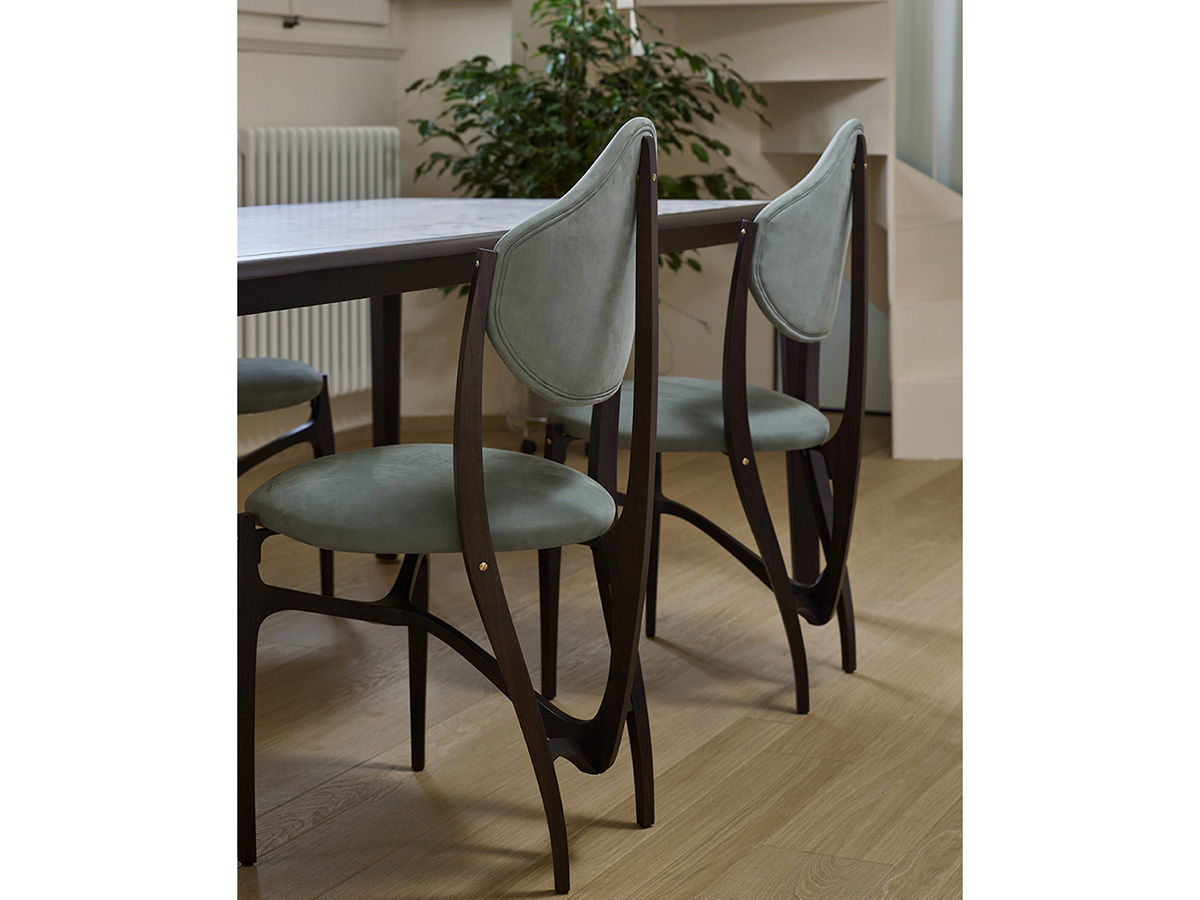
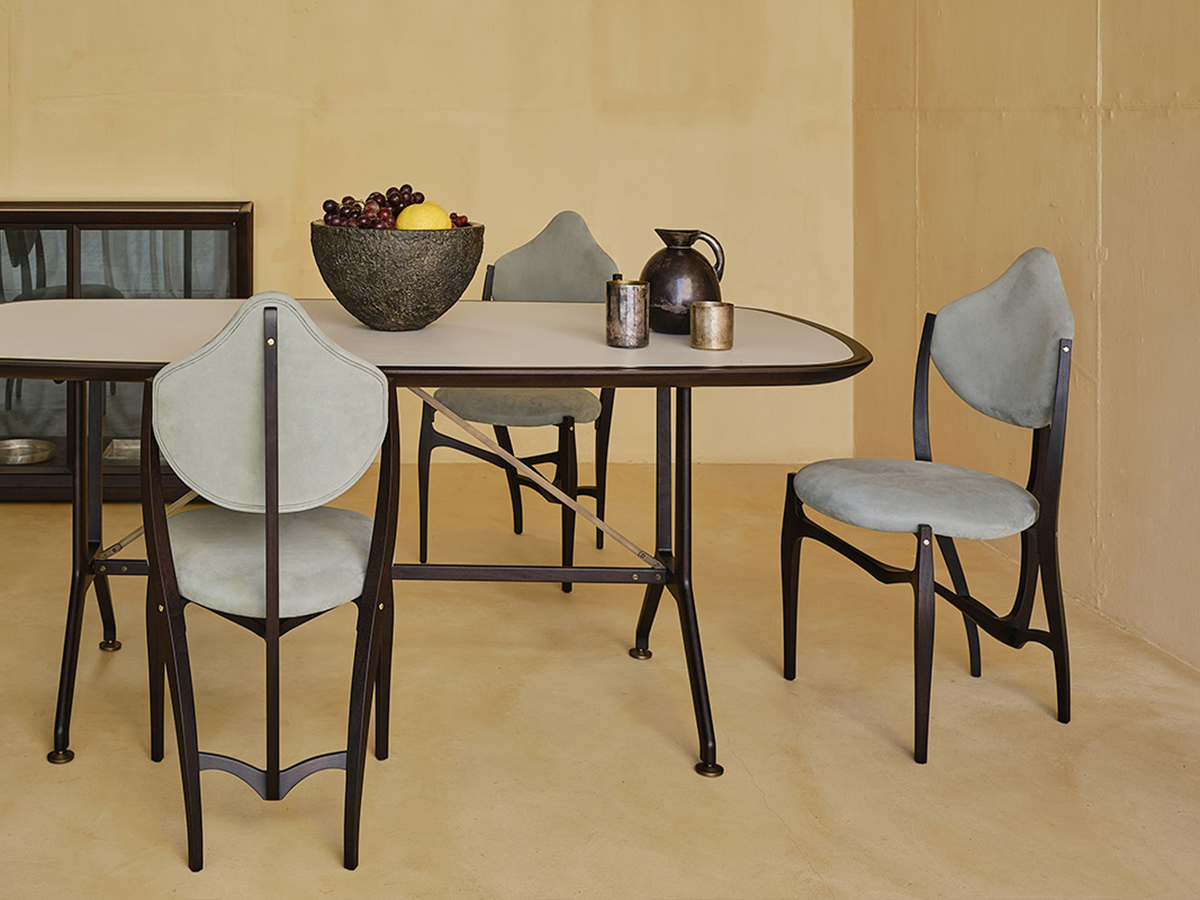
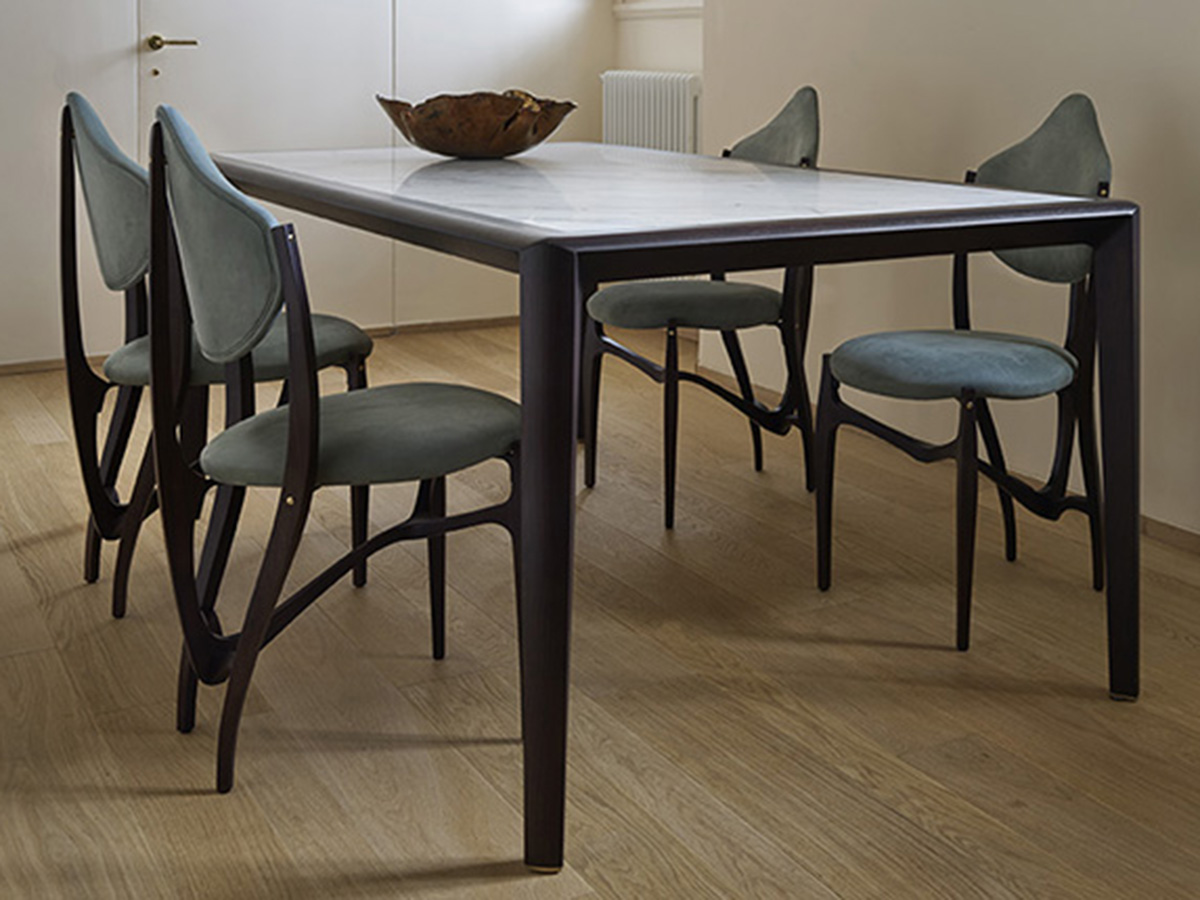
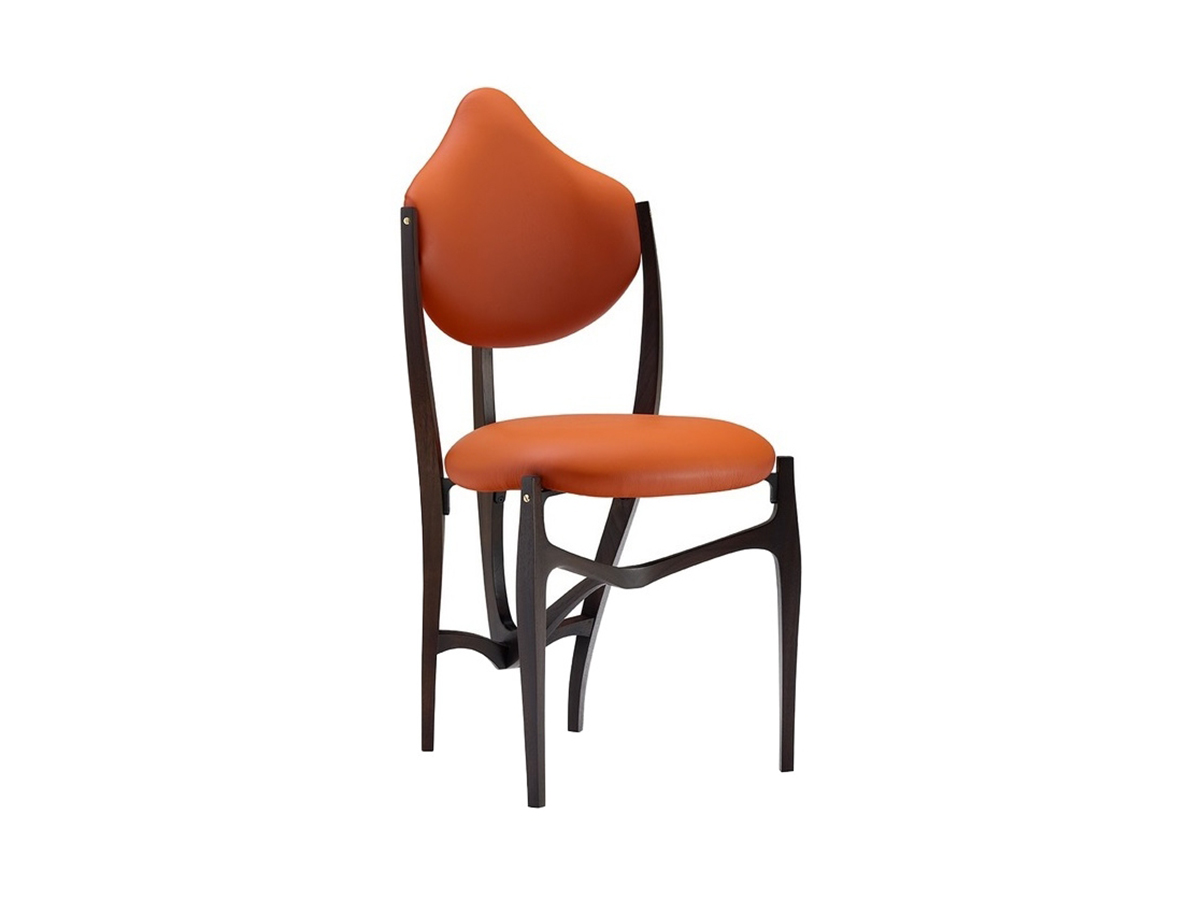
Stellage 52 is a chair produced by Ceccotti Collezioni. The design stems from the talents of Gabetti & Isola, Raineri, who created an ergonomic and captivating silhouette. Stellage 52's profile is clean and defined, with the backrest and armrests welded to the frame, creating a biomorphic appearance, somewhere between a flower and an architecture. Stellage is a versatile and ambitious piece of furniture, suitable for living spaces and even more conveniently suited to formal settings such as offices, waiting rooms, and much more. The variety of finishes and colors offered by Ceccotti Collezioni offers extensive and satisfying customization options.
W.46,5 x D.54,5 x H.93 cm
Seat Height 47 cm
Salvioni Design Solutions delivers all around the world. The assembly service is also available by our teams of specialized workers.
Each product is tailor-made for the personal taste and indications of the customer in a customized finish and that is why the production time may vary according to the chosen product.
To discover the full range of services available, visit our delivery page.
Suggested versions (2)
Personalize your request
Frame
Select
Upholstery
Select
Select

Pride of the great Tuscan cabinetmaking tradition, Ceccotti Collezioni was founded in 1956 by the intuition of Aviero Ceccotti. Today, this company maintains the vocation of a luxury craftsman's workshop, performing handmade woodworks that characterize all its products. Over the years, the Ceccotti Collezioni has managed to create an unmistakable style, straddling classic suggestions and liberty reminiscences, while remaining firmly anchored to the field of design furnishings. Its products are characterized by sensual and timeless shapes, enhanced by the high quality of the materials.Read more
Designed by
Gabetti e Isola

Gabetti e Isola was an important Turin architecture studio founded by Roberto Gabetti (1925-2000) and Aimaro Isola (1928-), initiators of the Neo-Liberty style. Their projects were built mainly in Piedmont but had a strong echo throughout Italy, bitterly dividing critics between supporters and detractors for their choice to reject many dogmas of the then prevailing modernism, advocating a return to traditional materials and styles that in their intentions would have allowed the buildings to integrate more harmoniously with the pre-existing urban context. Students at the Polytechnic of Turin and both future professors of Architectural Composition at the same university, they had the opportunity, not yet thirty, to design one of the most important buildings in the city, the Turin Stock Exchange (1952-56), characterized by the large starry vault that reopens the main hall. In 1956 they signed the project for the famous Bottega di Erasmo, also located in Turin a few steps from the Mole, a project even more exemplary of their idea of architecture in which ancient and modern materials dialogue harmoniously with each other and with the surrounding buildings. Other significant projects by the duo were the Olivetti Residential Centre in Ivrea (1969-74), partially buried and covered with a lawn to coexist seamlessly with the surrounding natural landscape, the Carmelite monastery in Quart (1985) with its characteristic framed windows and the Quinto Palazzo Snam in San Donato (1985-91) whose roofs are covered with greenhouses full of greenery. The furnishings and accessories they designed were conceived specifically for each project and have been the subject of some re-editions in recent years by brands attentive to the legacy of the past such as Ceccotti Collezioni, Amini and Axo-Light. Starting in 2000, after Gabetti's death, Aimaro Isola continued the activity under the name Isolarchitetti, soon joined by his son Saverio.Read more