E15
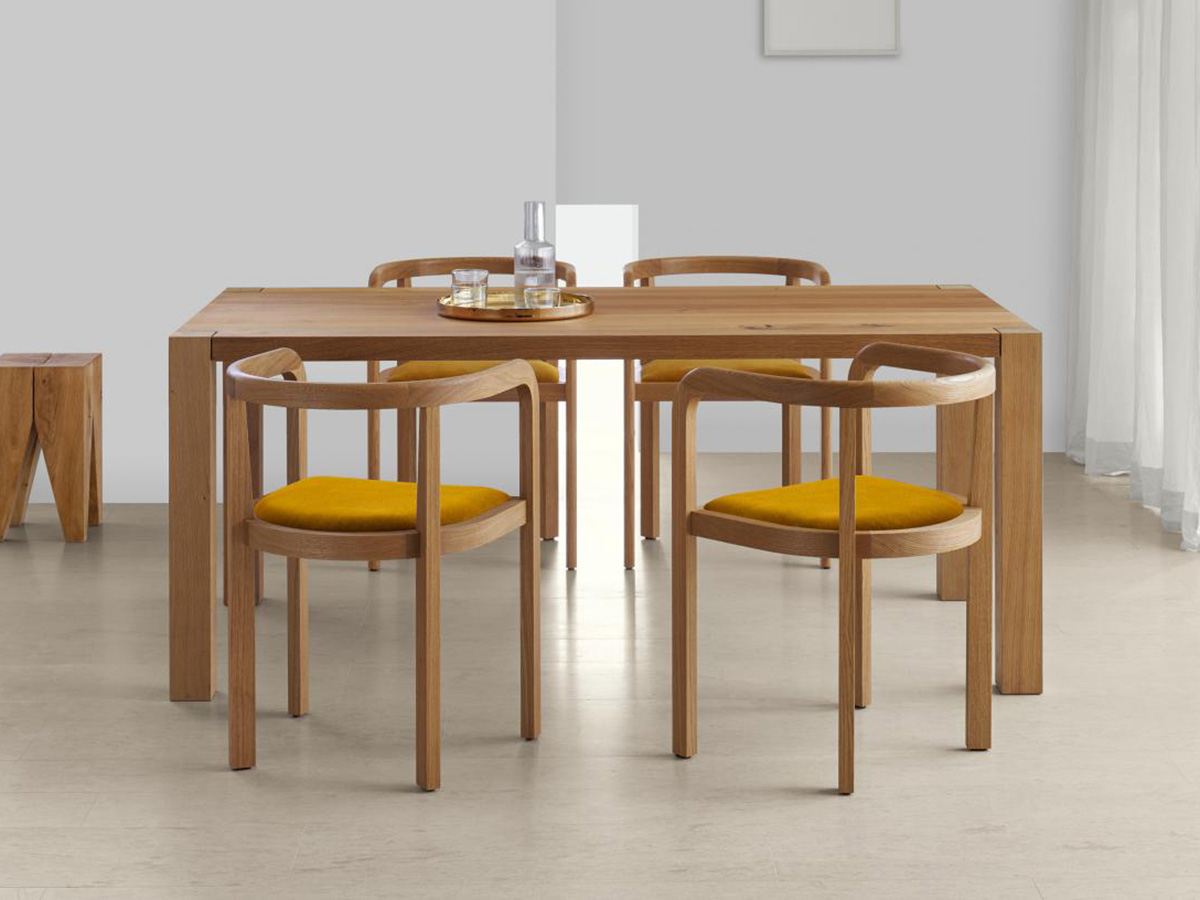
Stuttgart Chair
With Upholstered Seat
Price starting from € 1,983.00*
*Price valid for the version with seat covered in fabric cat. B and frame in oak (cod. RH01).
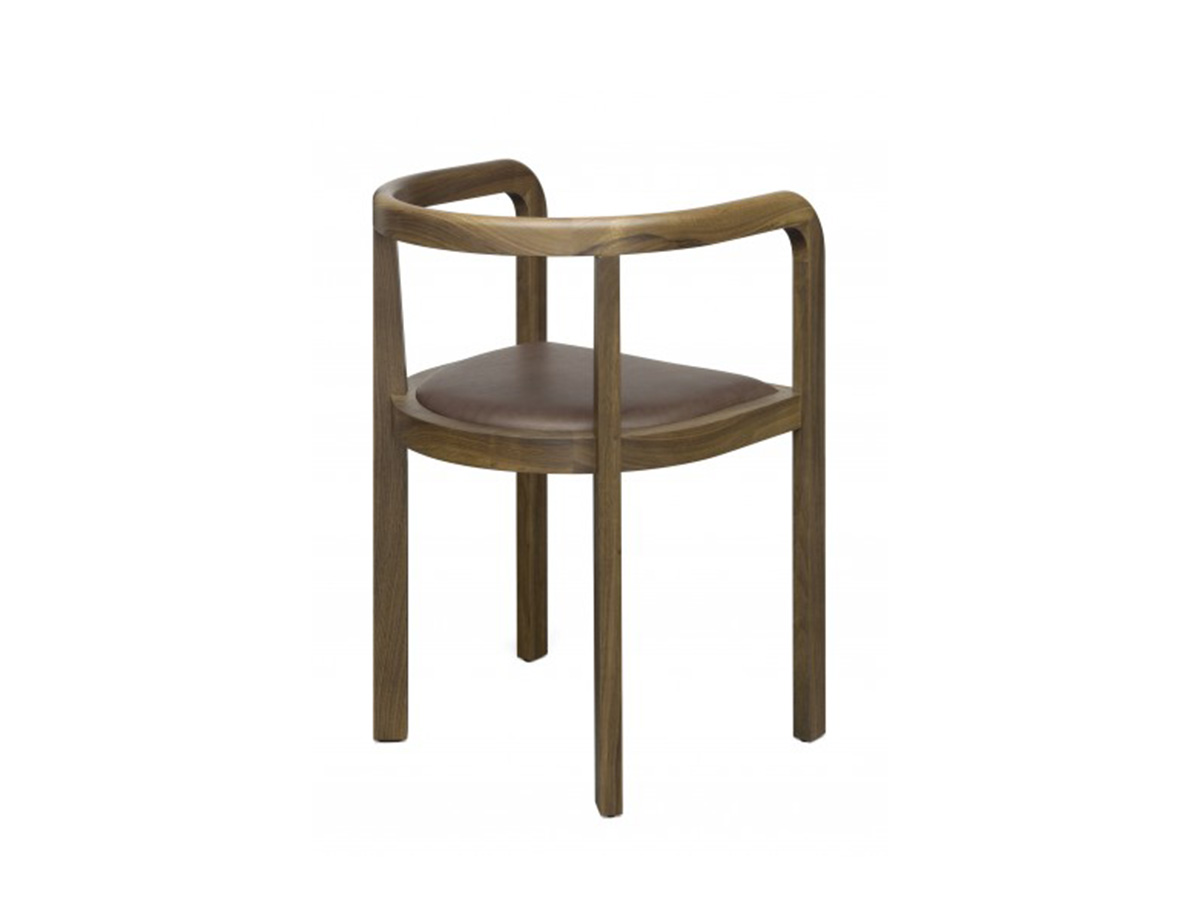
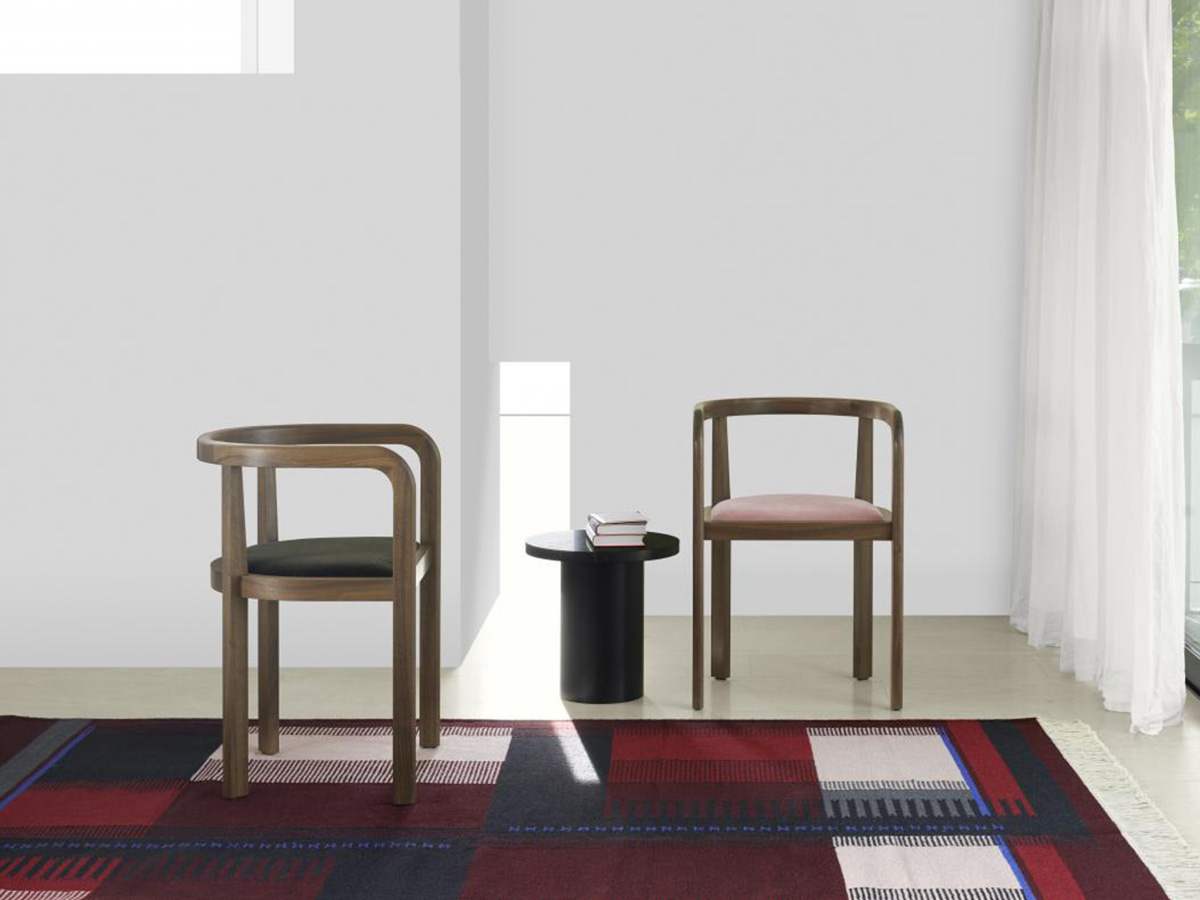
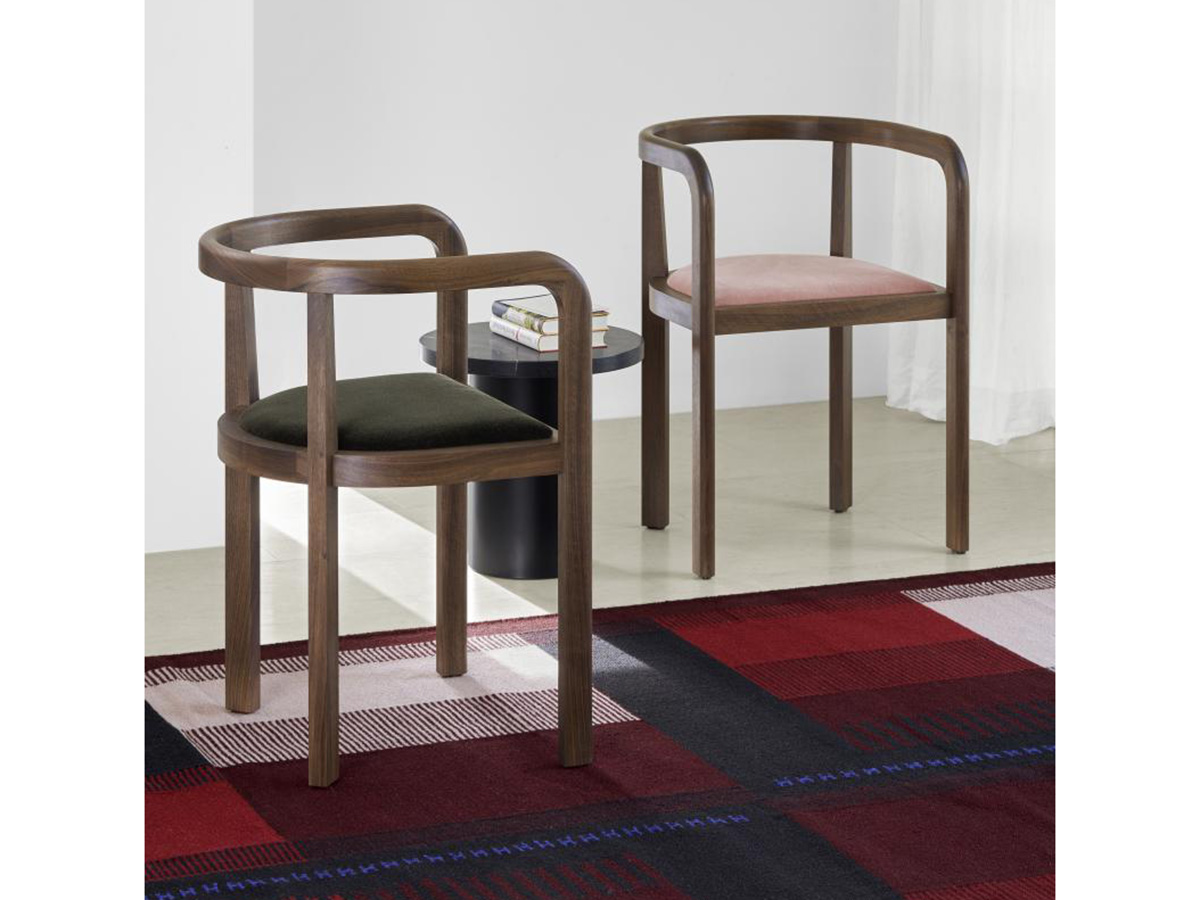
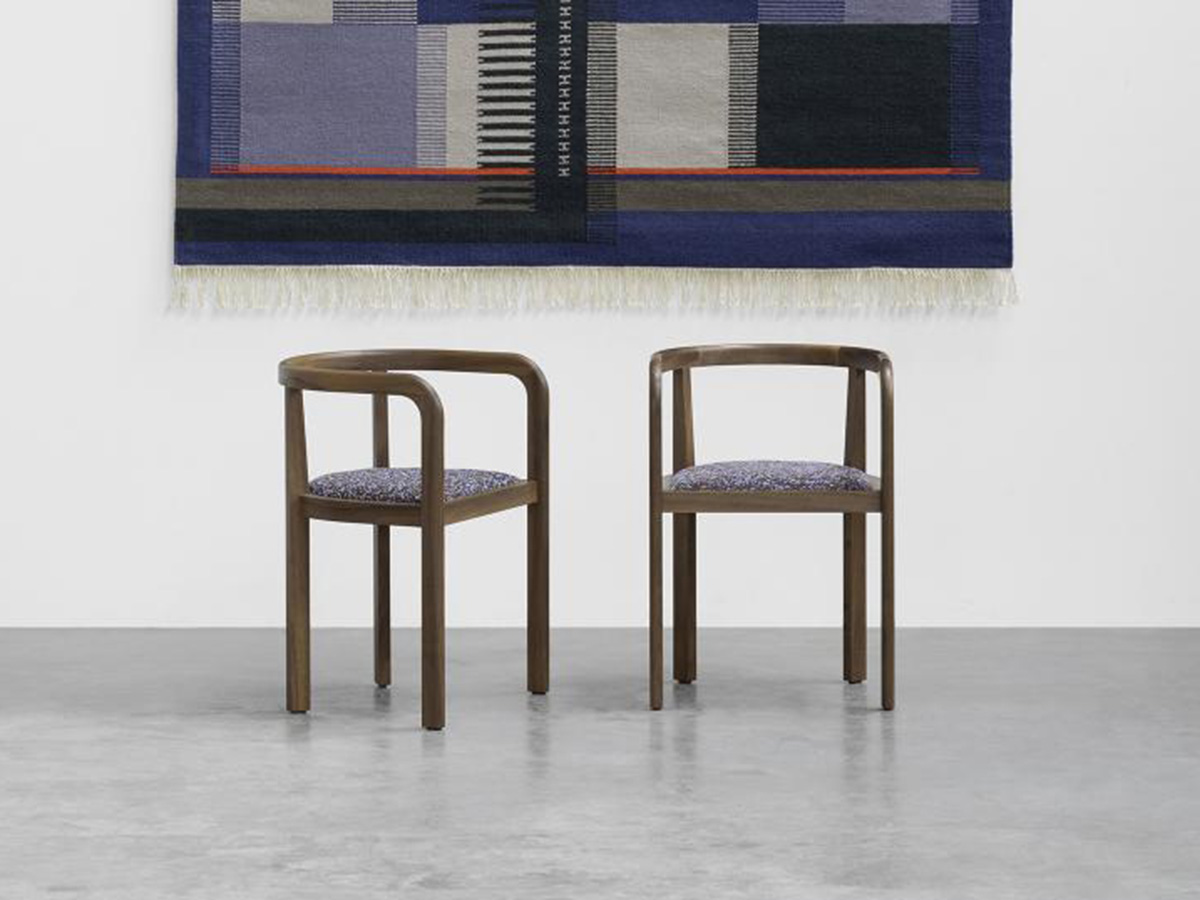
Born in 1926 thanks to the design talent of the E15 company, Stuttgart perfectly illustrates the geometry and rationality inherent in the expressive aesthetics of Richard Herre. The clean cut and regular shapes highlight an aesthetic power that is difficult to imitate, where each element is finely studied to harmonize with the rest of the figure, creating a single whole. Stuttgart's signature curved backrest embodies traditional craftsmanship and timeless elegance. The structure is in solid wood, available in waxed European oak and walnut. The chair can also optionally be equipped with a removable seat in fabric, leather and Vienna weaving, according to the taste or needs of the environment in which it will be placed. Precisely thanks to its appearance, Stuttgart adapts well to any environment, even the most convivial ones.
W.53 x D.50 x H.75 cm
Seat Height 47 cm
Salvioni Design Solutions delivers all around the world. The assembly service is also available by our teams of specialized workers.
Each product is tailor-made for the personal taste and indications of the customer in a customized finish and that is why the production time may vary according to the chosen product.
To discover the full range of services available, visit our delivery page.
Suggested versions (2)
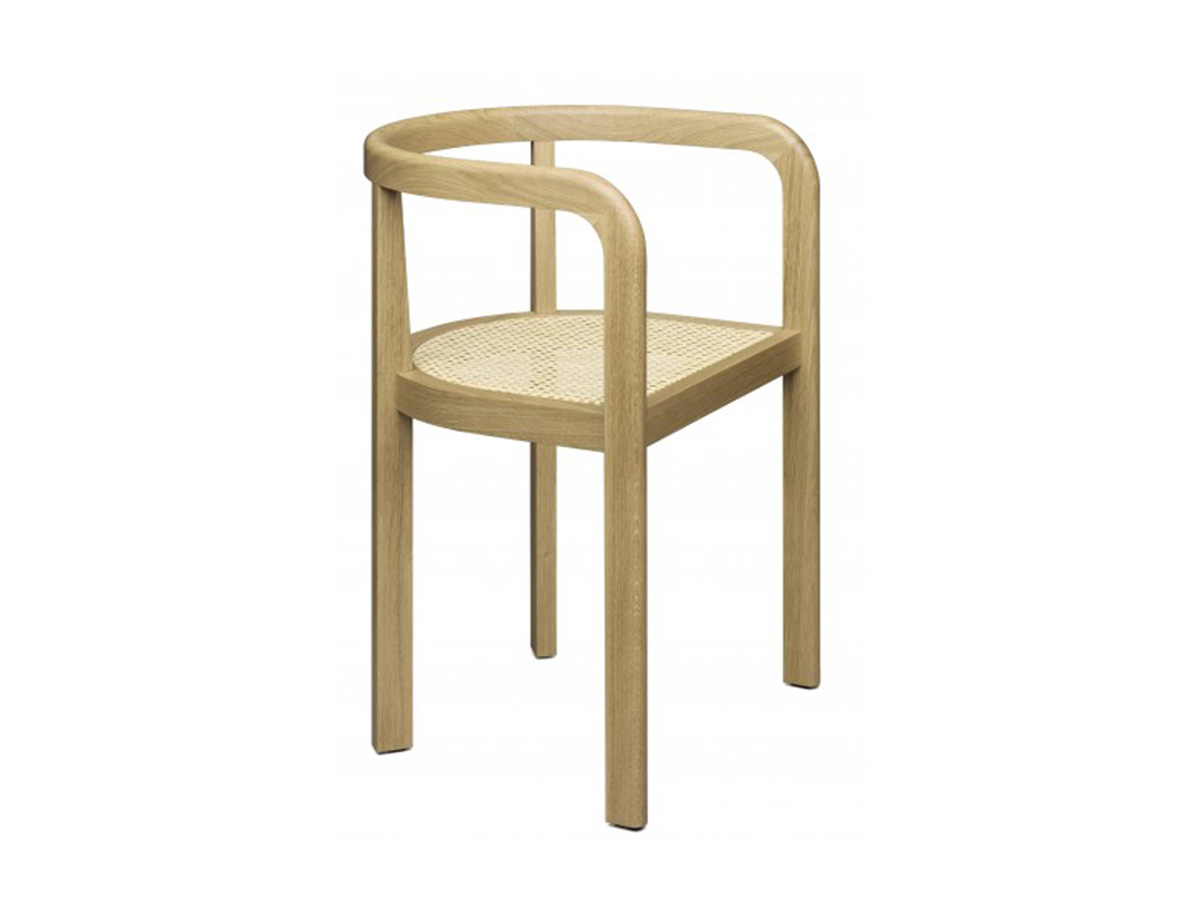 With Straw Seat
Stuttgart Chair
With Straw Seat
Stuttgart ChairPrice starting from
€ 1,757.00
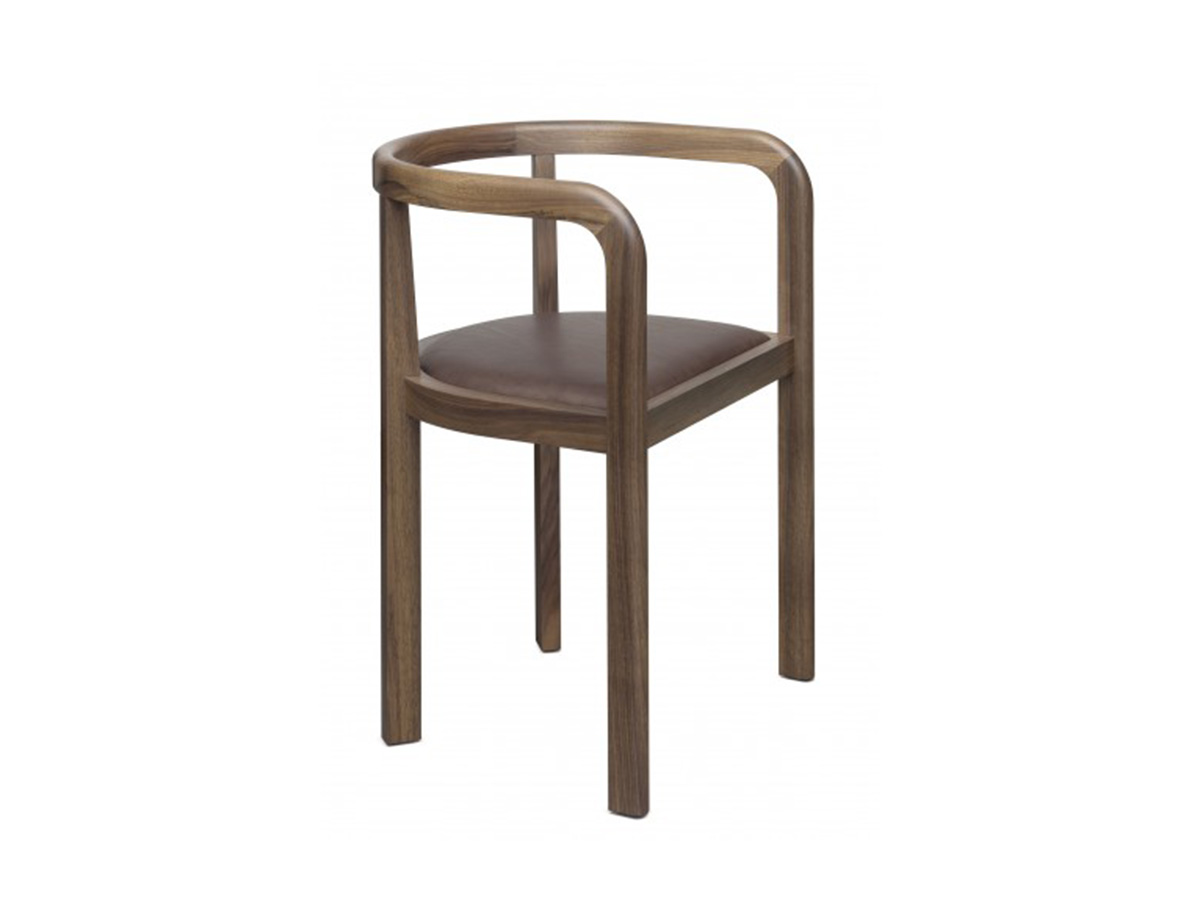 With Upholstered Seat
Stuttgart Chair
With Upholstered Seat
Stuttgart ChairPrice starting from
€ 1,983.00
Personalize your request
Frame
Select
Upholstery
Select
Select

In the furniture signed e15, the solidity and warmth of traditional solid wood melt the solid rigor of German design typical forms, in a modern and effective combination that gives new life to the oldest of furnishing materials. The essential nature close to the minimalism of its products accompanies a strong vocation to eco-sustainability that permeates all production processes. Among tables, coffee tables, chairs and stools, the dining area furniture plays an important part in the e15 catalog, but it is also completed by a wide selection of storage units, beds, lamps and accessories.Read more
Designed by
Richard Herre
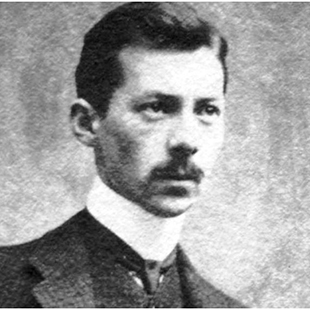
Richard Herre (1885–1959) was one of the key figures in the development of the Modern Movement on the Stuttgart scene of the 1920s. Although his relevance was primarily local, his work has been rediscovered in recent years thanks to the German brand e15, which—building on the significant promotional efforts of Herre’s heirs—successfully reissued his acclaimed Stuttgart chair. Herre’s activity focused mainly on interior design: only one building is known to have been entirely designed by him, while he carried out numerous interior projects for both private residences and public spaces, including the Ministry of the Interior of Baden-Württemberg. He custom-designed furniture, lighting, and textiles for each project, creating fully coordinated environments characterized by a restrained minimalism. Among his primary sources of inspiration were the work of Adolf Loos and the traditional style of Japanese houses. He was also deeply involved in the activities of the Deutscher Werkbund, including the landmark exhibition Die Wohnung, held in Stuttgart in 1927. For this occasion, many of the leading figures of the Bauhaus were invited to design new modernist buildings, forming the residential complex known as the Weissenhof Estate; Herre was responsible for the interiors of the house designed by Max Taut. In addition to his work in interiors, Herre was active in graphic design and authored several essays. He also personally translated the first German edition of Le Corbusier’s Modulor, a foundational text of modernist architecture.Read more