Riva 1920
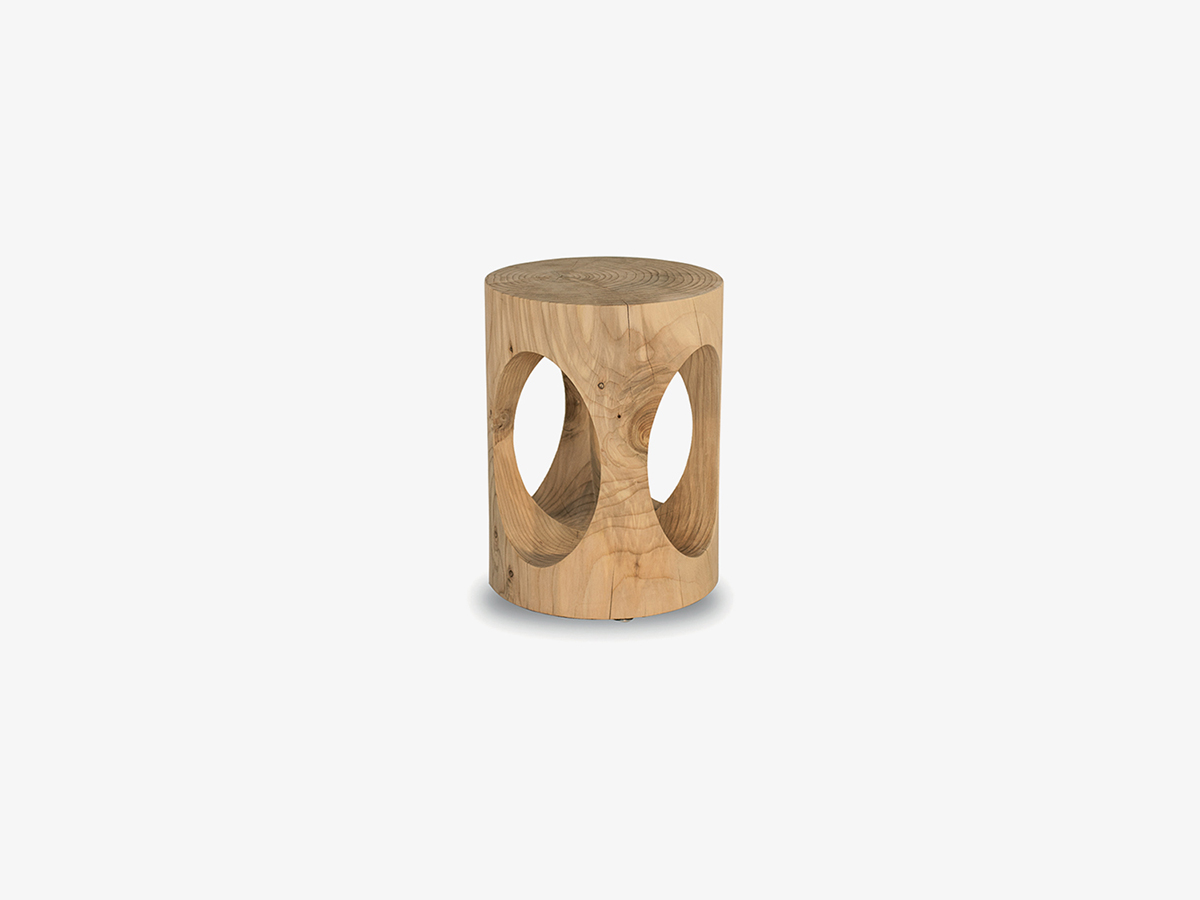
Ziba Stool
Ziba is a solid wood stool designed by Francis Kéré for Riva1920. The structure of this small seat is crafted from solid, fragrant cedar wood, carved from a single block that preserves the unique characteristics and qualities of the material. Each stool is therefore one of a kind, impossible to replicate, as it reflects the intrinsic nature of the log from which it is made. The design draws inspiration from traditional African stools, featuring a light structure dominated by large internal voids that reduce visual and physical mass without compromising strength. Suitable for any environment, Ziba is particularly distinctive for the subtle fragrance it releases into the surrounding space and for the strong sense of craftsmanship it conveys wherever it is placed.
Ø 33 x H.45 cm
Salvioni Design Solutions delivers all around the world. The assembly service is also available by our teams of specialized workers.
Each product is tailor-made for the personal taste and indications of the customer in a customized finish and that is why the production time may vary according to the chosen product.
To discover the full range of services available, visit our delivery page.
Personalize your request
Finishing
Select
Select
Select

The company was founded in 1920 in the heart of the "Brianza del Mobile" in a small shop specialized in the production of solid wood furnitures. During the next fifty years, the classic style of Riva1920 craftsmanship combined with the extreme enhancement of living wood has become hallmarks of the brand, internationally known today as the top range representative in woodworking.
In 1990, Riva1920 marries the culture of reforestation by starting the production of solid cherry wood furniture which will be followed by other reused woods such as the millenary Kauri from New Zealand, the Briccole from the Venice Lagoon and the Cedar from Lebanon.
Today Riva1920 stands out in the field of handcrafted furniture production for its ability to create unique models and completely customizable in each detail.Read more
Designed by
Diébédo Francis Kéré
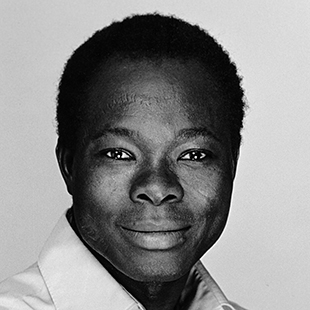
Diébédo Francis Kéré (1966-) is considered one of the most important contemporary African architects, the first from that continent to be awarded the prestigious Pritzker Prize in 2022, considered to be on a par with the Nobel Prize for Architecture, then repeated the following year with the almost equally illustrious Japanese Imperial Prize. He holds both the nationality of Burkina Faso, his country of origin, and that of Germany, the country to which he moved in 1985 to study thanks to a scholarship at the Technische Universität in Berlin, the city where the headquarters of his studio has also been located since 2005. Kéré remains very attached to his homeland and to his native village of Gando, where he created the work that made him famous internationally, the local elementary school (2001, then expanded several times in the following years), awarded in 2004 with the Aga Khan Award. Central to Kéré’s work is the revival of traditional Burkinabe construction techniques and stylistic elements typical of West African vernacular architecture, often limited to a single storey in height and featuring extensive use of wood and simple bricks, in an operation that can be considered in some ways parallel to the Western response to the values of classicism, in opposition to the standardized and “globalist” style of the most famous archistars. It is no coincidence that many of his most famous projects were created in Africa, including the renovation of the Mali National Park (2010), which includes the construction of new structures, the Lycée Schorge Secondary School in Burkina Faso (2017) and the Startup Lions Campus in Kenya (2021). Other well-known creations of his include the Xylem pavilion (2019) in the United States, built entirely from dead tree trunks, and the 2017 installation at the Serpentine Pavilion in London, which featured some stools designed by Kéré himself and produced by the Italian company Riva 1920, a specialist in solid wood processing.Read more