Venini
Bolle Vase
Price starting from € 1,690.00*
*Price valid for the version in H.19 cm in glass (cod. 502.01).
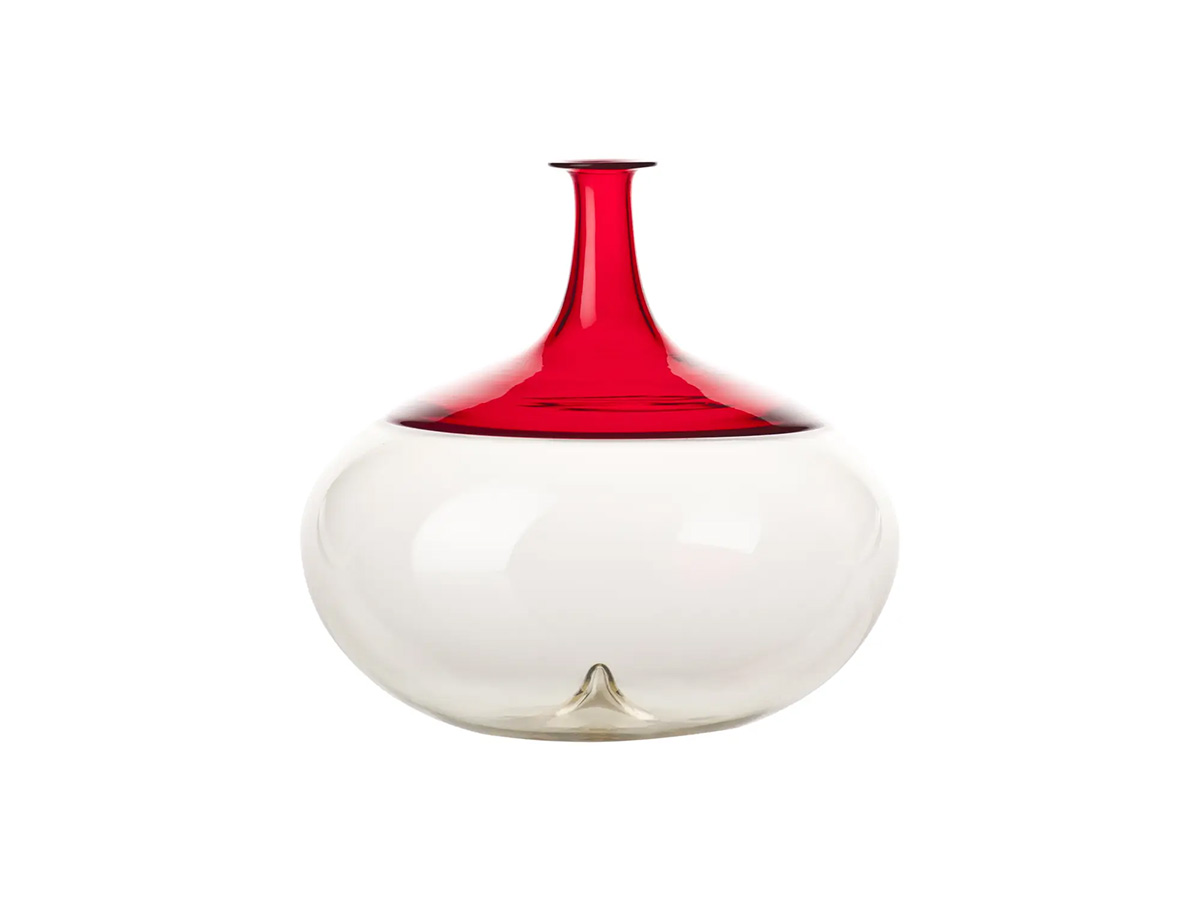
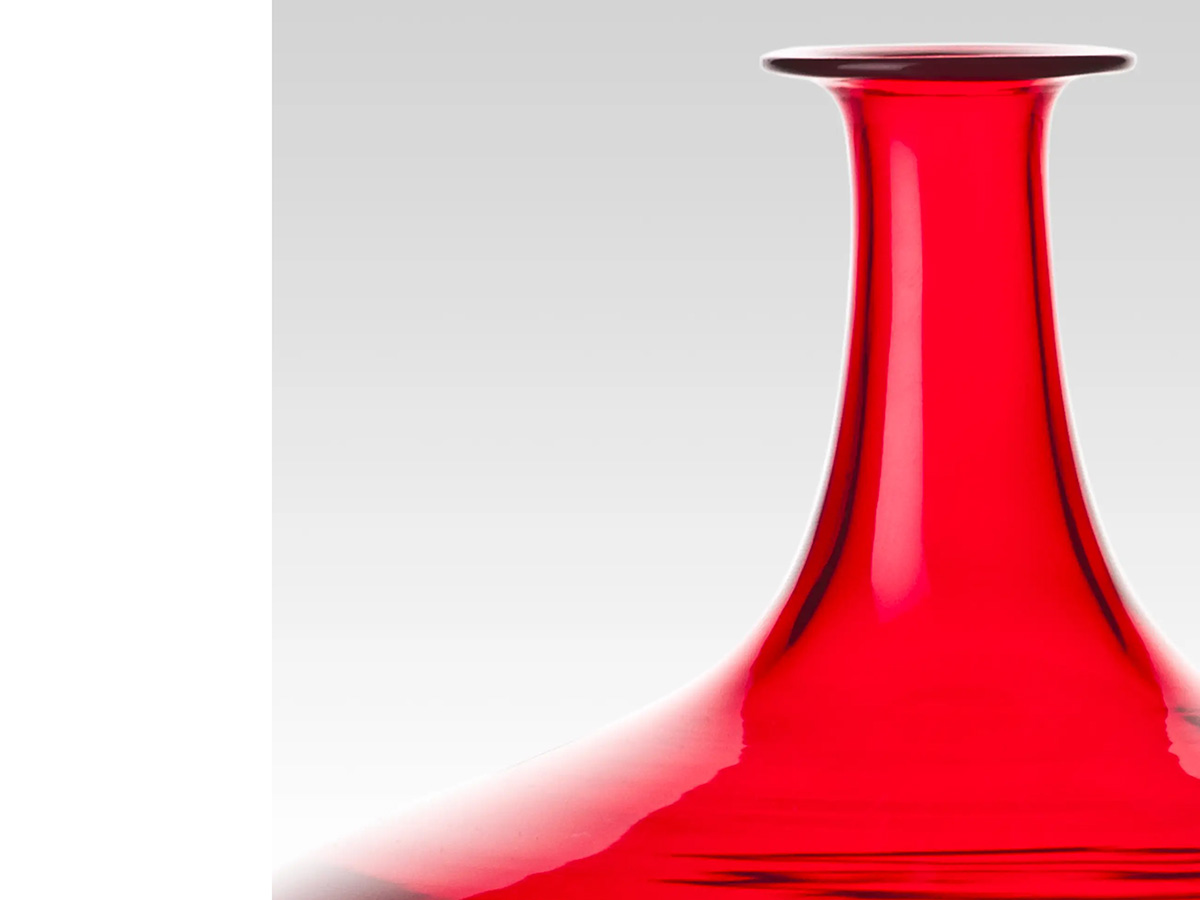
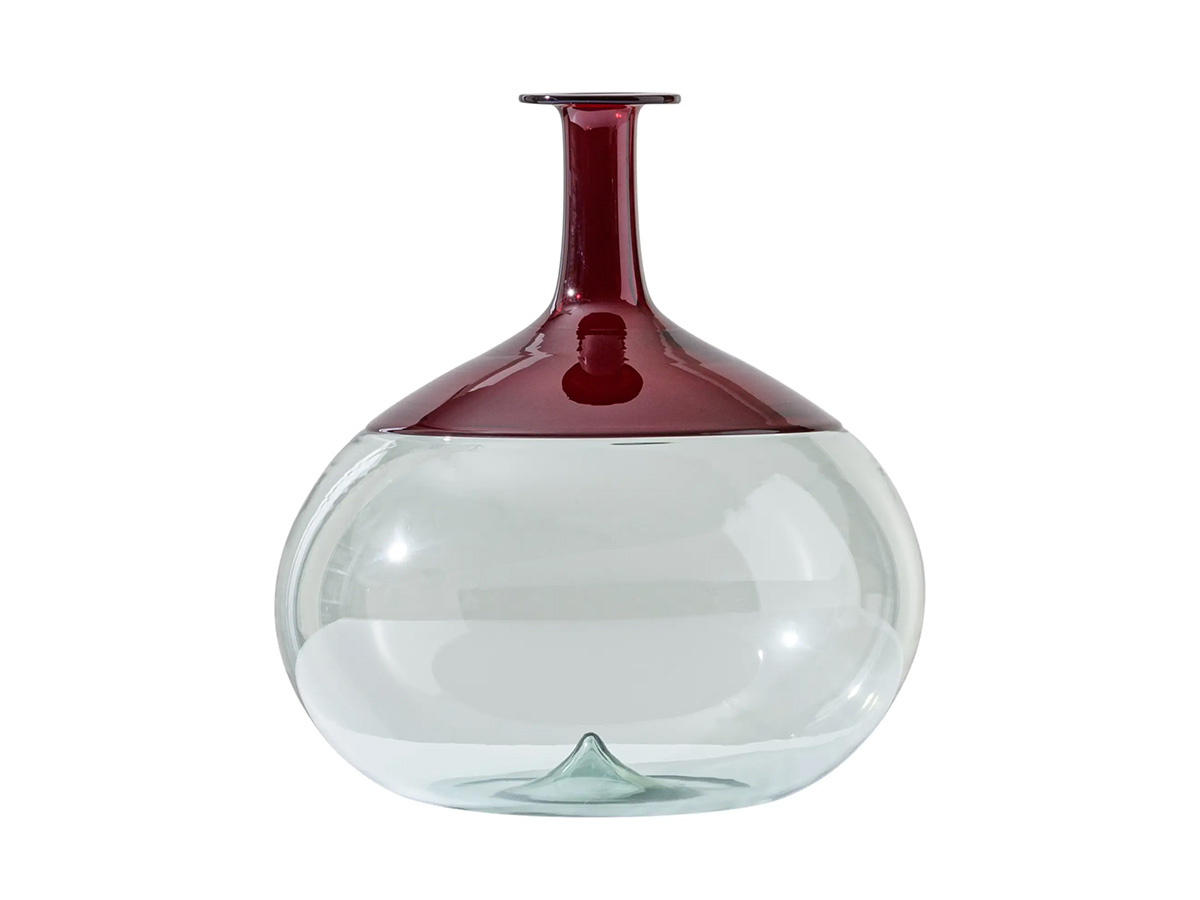
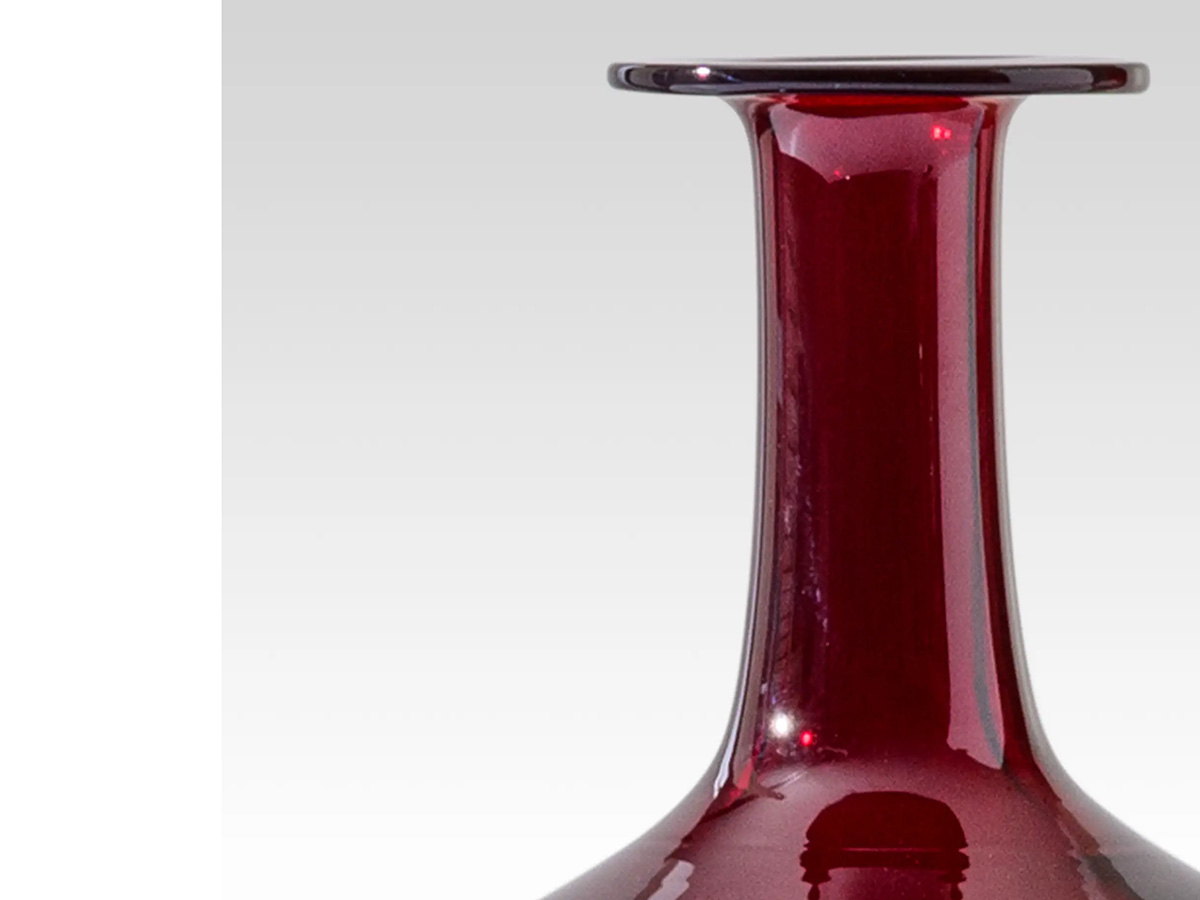
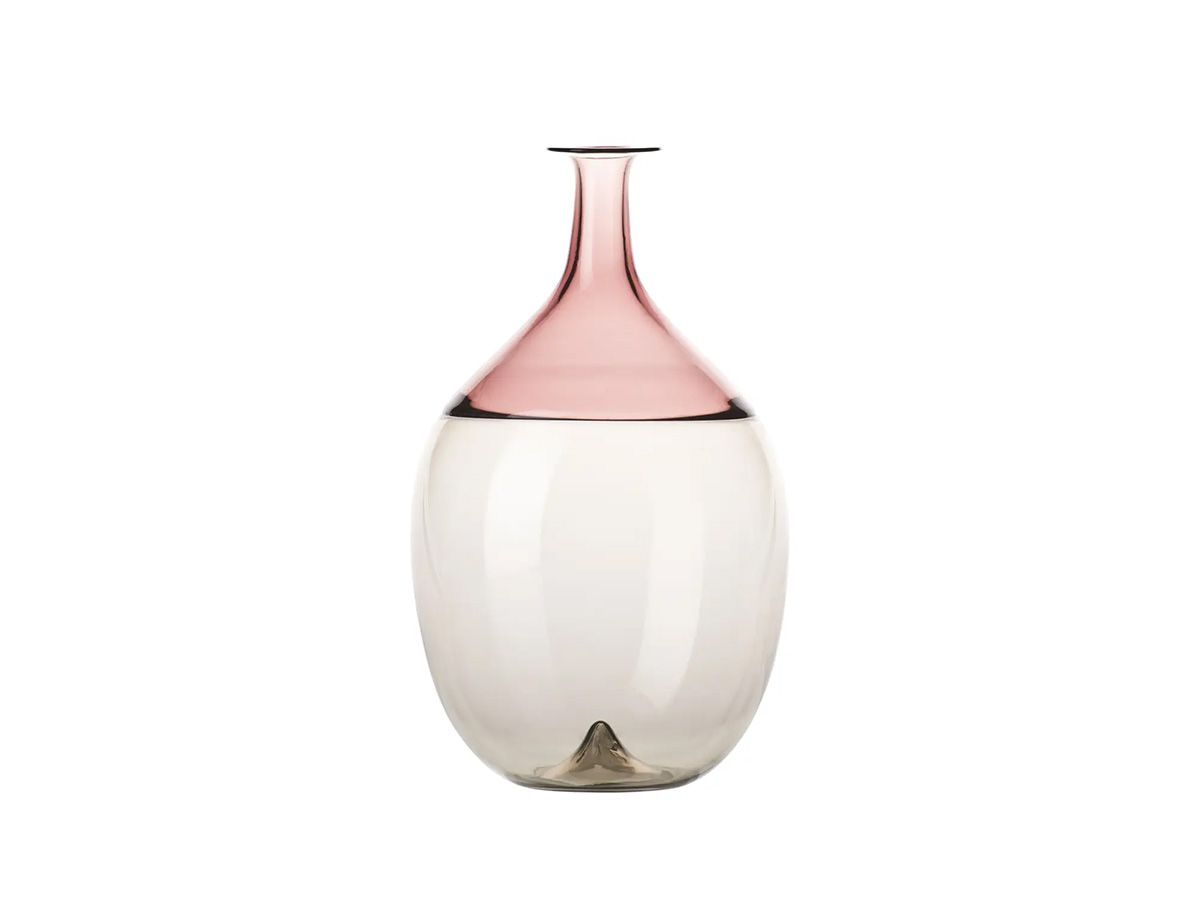
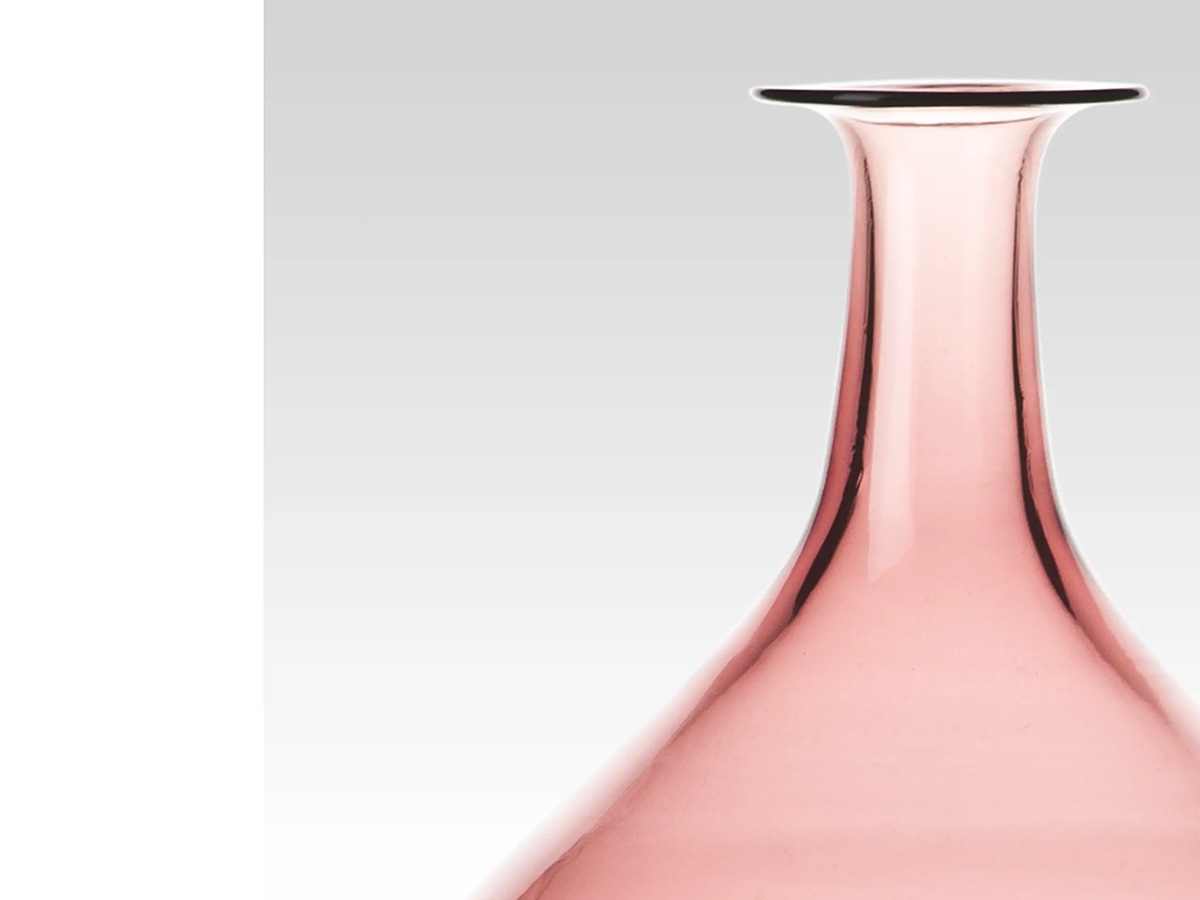
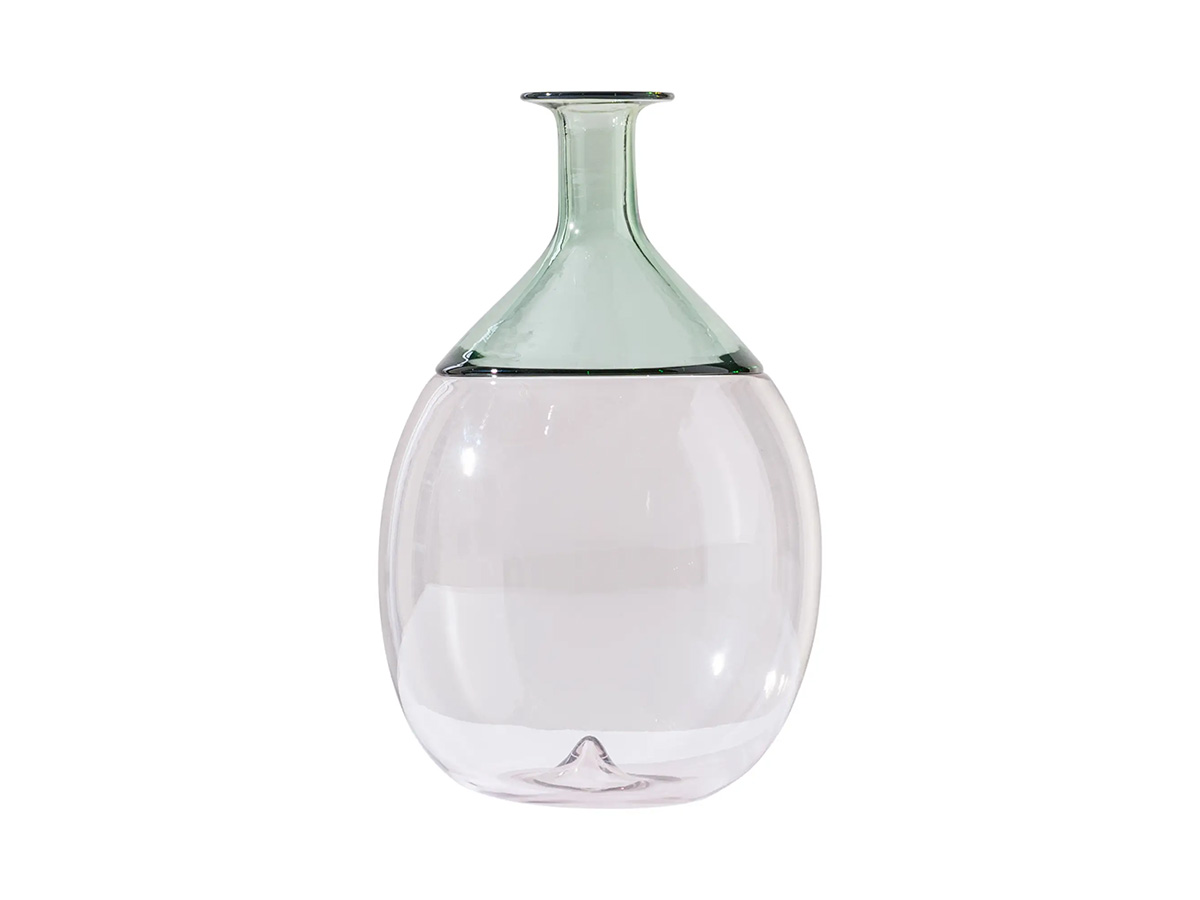
The Bolle vase line by Venini includes numerous proposals where glass and its shades reign supreme, giving life to something unique. This line of home accessories stands out for its soft and superbly modeled shapes, to which is added a certain care in the choice of colors that dialogue well with each other, creating particularly pleasing aesthetic suggestions. Bolle combines distinct chromatic places thanks to the inclamo technique, or the hot coupling of two distinct blown shapes. This results in a real study of compositions, taken from Venini and accentuated thanks to the aesthetic guidance of Tapio Wirkkala. Ideal for the living area, these vases can be placed in any room of the house, always being beautiful and pleasing.
Ø 19 x H.19 cm
Available also in other sizes
Salvioni Design Solutions delivers all around the world. The assembly service is also available by our teams of specialized workers.
Each product is tailor-made for the personal taste and indications of the customer in a customized finish and that is why the production time may vary according to the chosen product.
To discover the full range of services available, visit our delivery page.
Personalize your request
Sizes
Select
Ø 19 x H.19 cm
Ø 13 x H.21 cm
Ø 14 x H.25 cm
Ø 14 x H.47,5 cm
Ø 10 x H.34,5 cm
Ø 13 x H.21 cm
Ø 14 x H.25 cm
Ø 14 x H.47,5 cm
Ø 10 x H.34,5 cm
Select
Select

Venini is probably the most famous Murano glassmaker of the world: a result reached not even in a century of life, thanks to the idea of introducing in the blown glass world the collaborations with the artistic avant-garde and the design. It was a real revolution: in contrast with the stylistic exuberance that was characterizing the classic Venetian production, Venini's creations had presented themselves with sober and rigorous lines, lending them also to the development of new and surprising manufacturing techniques. Venini's vases are nowadays style icons, precious such as jewels, handed down from generation to generation, in a range of prices that makes them accessible to everybody. The Venini lamps and chandeliers, true architectures of light with a strong authorial signature, are really appreciated.Read more
Designed by
Tapio Wirkkala

Tapio Wirkkala (1915–1985) was one of the greatest Finnish designers in history. An enduring icon of Scandinavian design, he owes his fame to an almost magical ability to recreate the forms of living nature using industrial materials. In his hands, glass becomes ice—as in the Ultima Thule glassware series (Iittala, 1968) or takes on the shape of a mushroom, as in the celebrated Kantarelli vase that brought him international recognition and launched his career (Iittala, 1946). Plywood assumes the form of a leaf, as in the elegant Leaf centerpiece (1951) and in the furniture he designed for Asko; ceramic bends and crumples like a paper bag, as in the Paperbag centerpiece (Rosenthal, 1977). These illusionist skills are combined with a profound knowledge of and respect for the history of Finnish craftsmanship, a major source of inspiration for many of his works, which often occupy the subtle boundary between art and design. Beyond his homeland, Wirkkala was also deeply connected to Italy: he exhibited in numerous editions of the Milan Triennale, where he won several Gold Medals (1951, 1954, 1960, 1963), and became a close friend of Gio Ponti, who described him as a “noble savage from the woods.” It was Gio Ponti who introduced him to the Venini glassworks in the 1960s, initiating an important collaboration that allowed Wirkkala to explore a very different interpretation of glass from the one that had made him famous through his work with Iittala. For Wirkkala, Finnish glass was transparent and austere—a fresh dew to be condensed into forms shaped by inspiration—whereas with Venetian glass he allowed himself an airy explosion of color.Read more