Venini
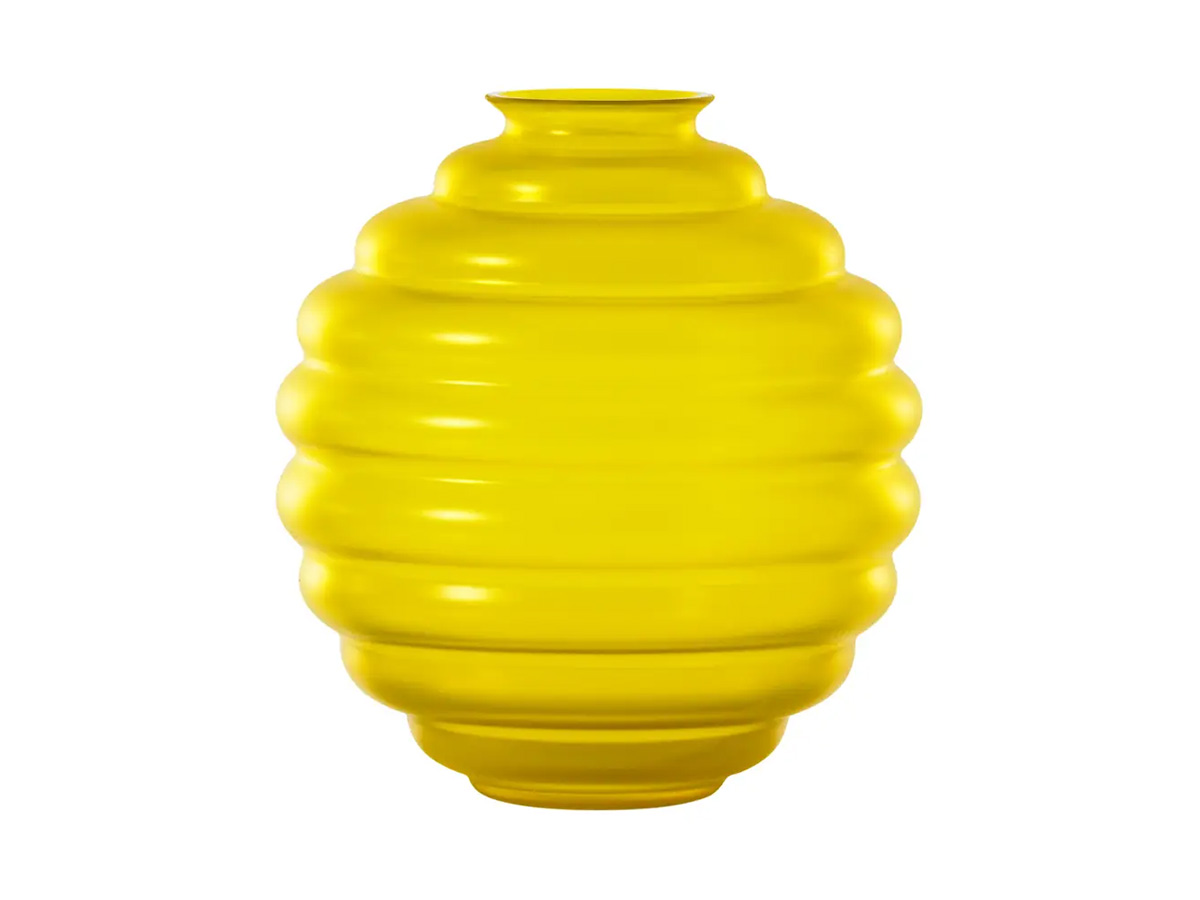
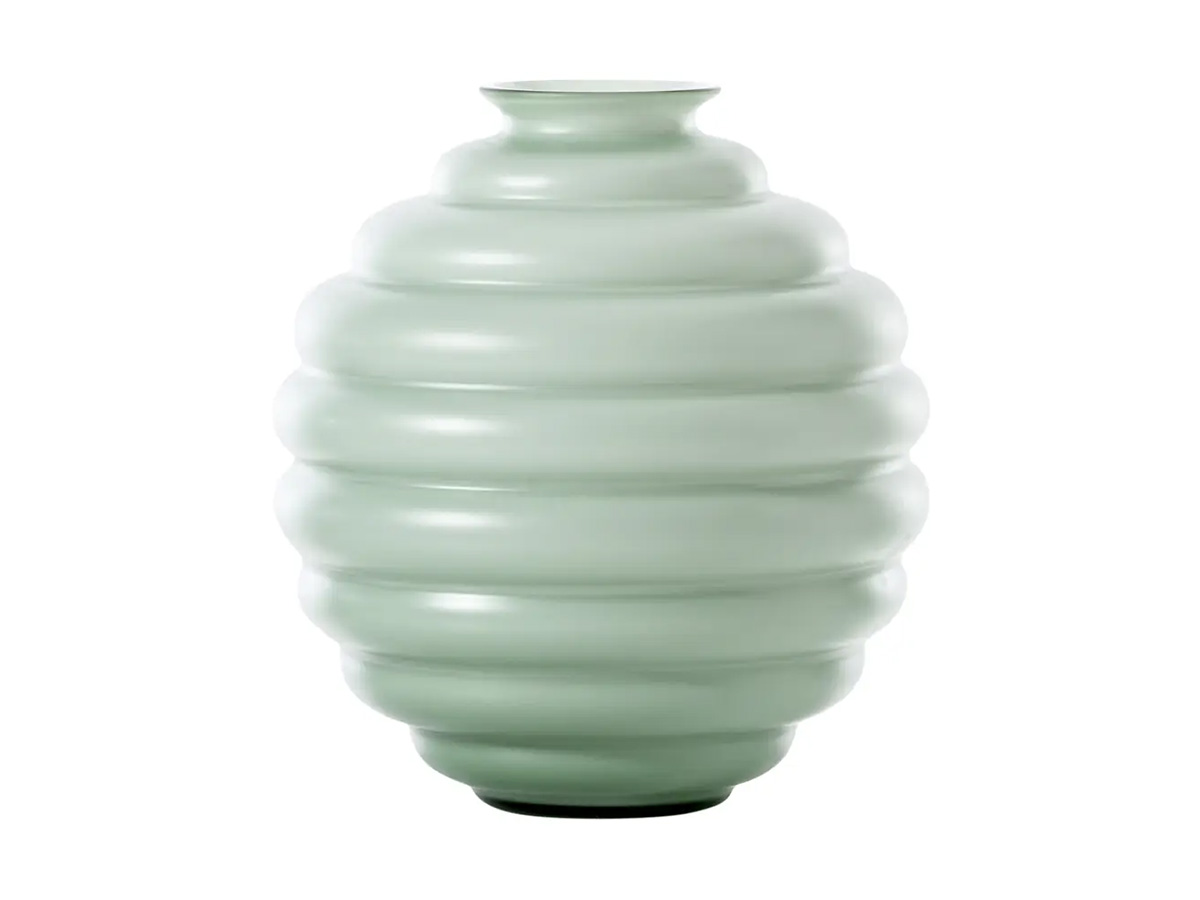
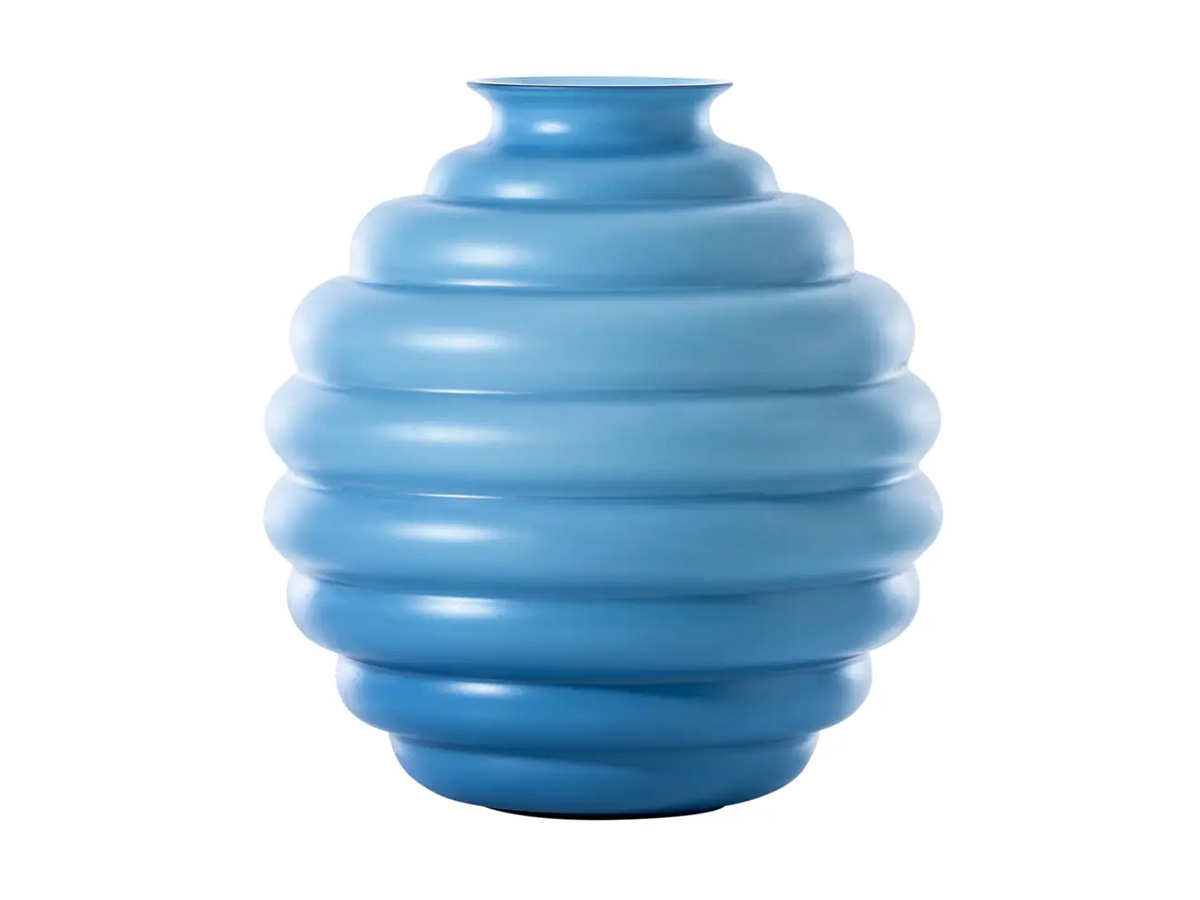
Deco Vase
Price starting from € 590.00*
*Price valid for the version in H.18 cm in glass (cod. 707.08).
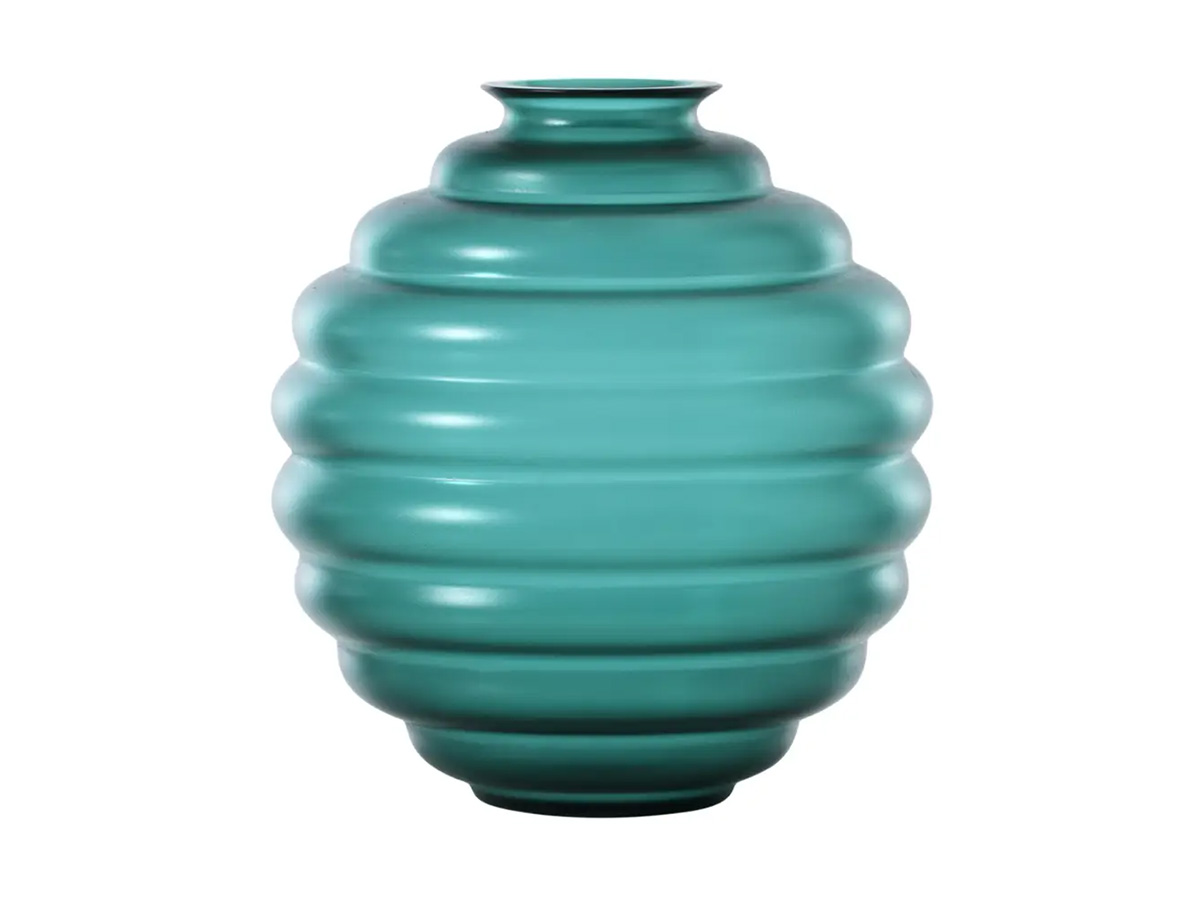
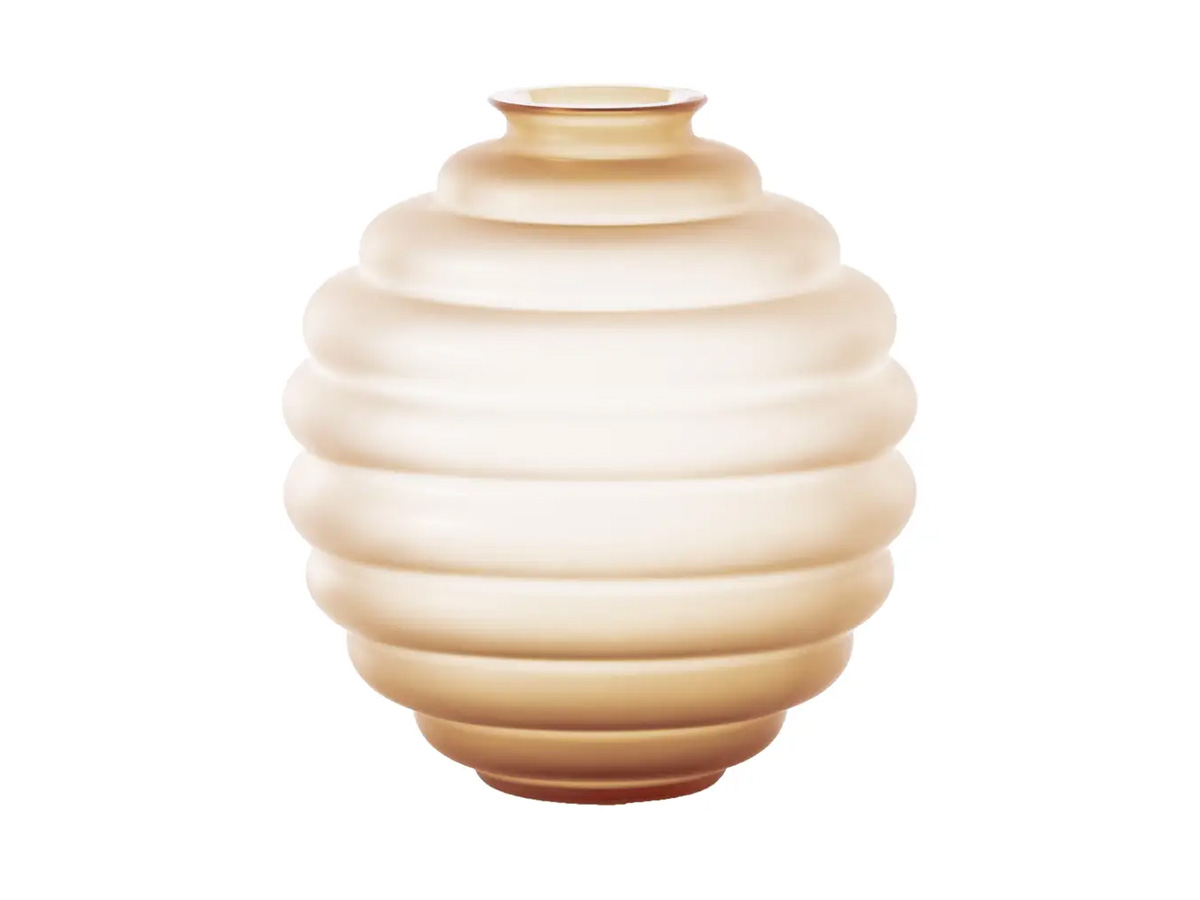
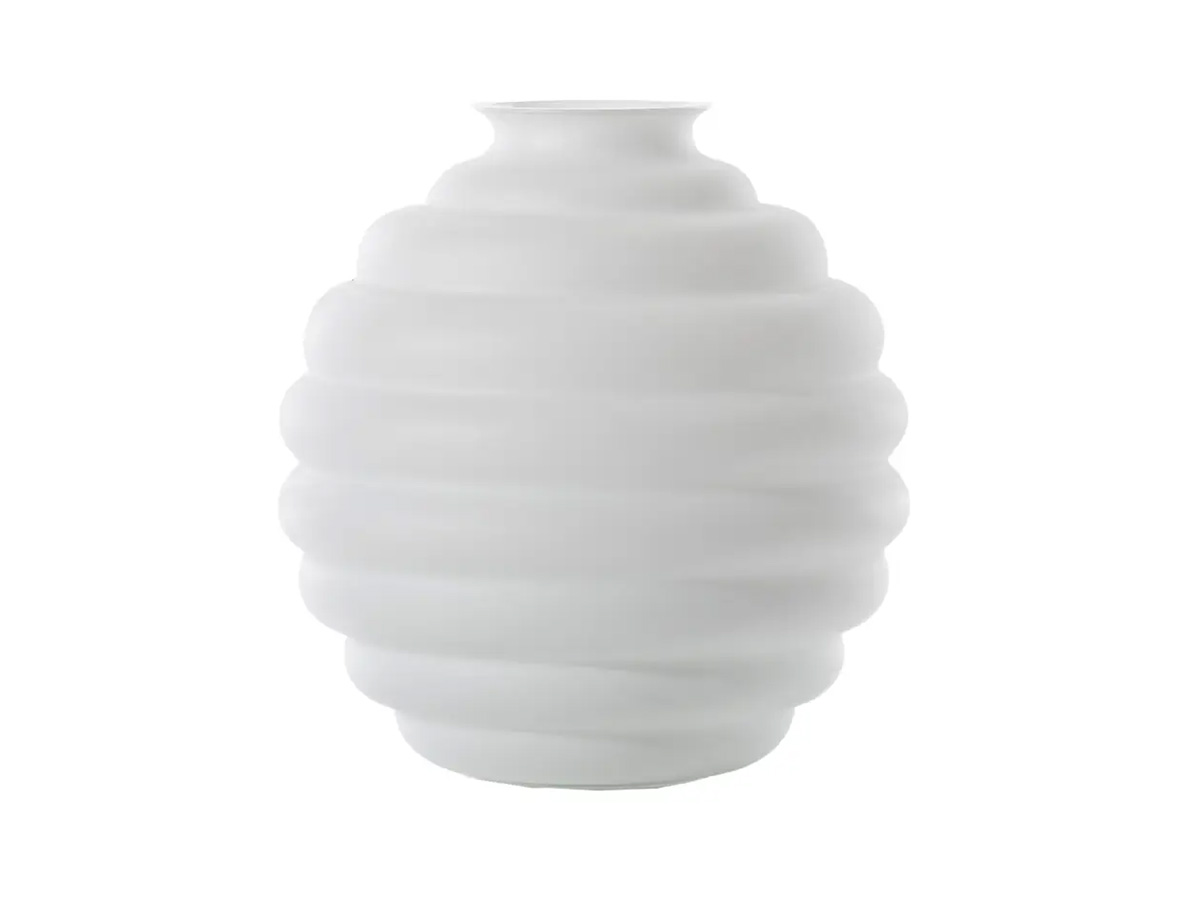
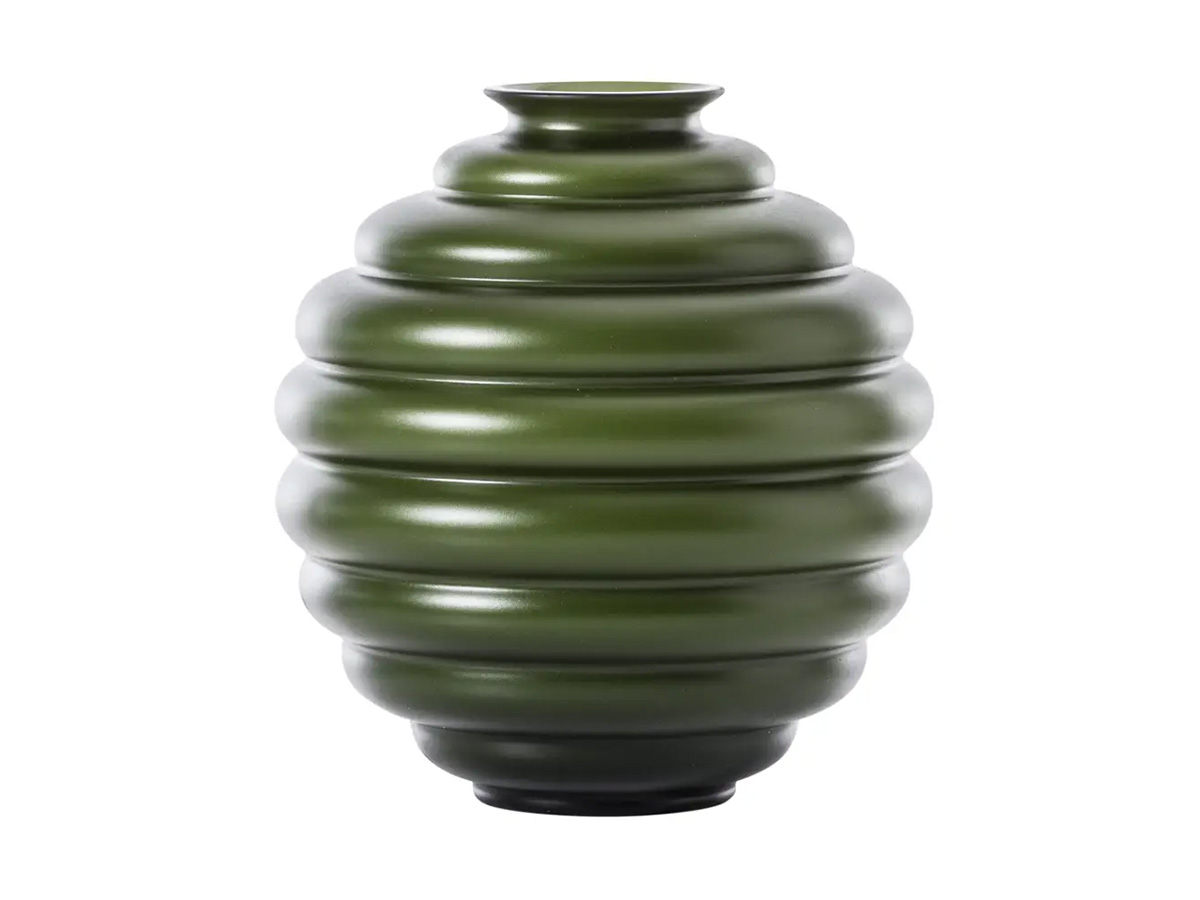
Deco is a vase by Venini that explores the aesthetic dimensions of rhythm. Thanks to an abstraction of sound, aesthetics and concept, the company wanted to express a dynamic concept of sound or, better said, of sound repetition, which like a drop of water inside a pool, propagates, transforming from small to large, and then repeating itself in the small. Overall, Deco is an extremely elegant and functional object, which adapts well to different contexts without ever being excessive or out of place. It acts as a perfect eye-catcher in living or dining contexts, but can also adapt well to night areas of bedrooms and children's bedrooms. Available in different sizes, Deco can be chosen in several colors that the Venini brand offers in a cute and fun assortment.
Ø 17 x H.18 cm
Available also in other sizes
Salvioni Design Solutions delivers all around the world. The assembly service is also available by our teams of specialized workers.
Each product is tailor-made for the personal taste and indications of the customer in a customized finish and that is why the production time may vary according to the chosen product.
To discover the full range of services available, visit our delivery page.
Personalize your request
Sizes
Select
Colours
Select
Red
Ginkgo Biloba
Horizon
Peach
Iceberg
Amber
Ginkgo Biloba
Horizon
Peach
Iceberg
Amber
Select

Venini is probably the most famous Murano glassmaker of the world: a result reached not even in a century of life, thanks to the idea of introducing in the blown glass world the collaborations with the artistic avant-garde and the design. It was a real revolution: in contrast with the stylistic exuberance that was characterizing the classic Venetian production, Venini's creations had presented themselves with sober and rigorous lines, lending them also to the development of new and surprising manufacturing techniques. Venini's vases are nowadays style icons, precious such as jewels, handed down from generation to generation, in a range of prices that makes them accessible to everybody. The Venini lamps and chandeliers, true architectures of light with a strong authorial signature, are really appreciated.Read more
Designed by
Napoleone Martinuzzi

Napoleone Martinuzzi (1892–1977) was an Italian sculptor and designer active mainly in the Murano glass sector, best remembered for creating the revolutionary pulegoso glass. Born into a family of Venetian glassmakers, he studied sculpture in Rome, where he came into contact with the artistic ferment of the early twentieth century. He was one of Gabriele D’Annunzio’s preferred artists, personally chosen to create sculptures and glass decorations for the Vittoriale degli Italiani. This reputation led to his appointment as director of the Murano Glass Museum, a position he held from 1922 to 1931; around the same period he met Paolo Venini and began collaborating with him, becoming a partner and artistic director of Venini’s glassworks. During his collaboration with Venini, which lasted from 1925 to 1932, he steered the company’s production toward a style indebted to French Art Déco and the Italian “Novecento” movement. The invention of pulegoso glass dates to 1928 and arose from the insight of using, for expressive and decorative purposes, a feature that had traditionally been considered a flaw in glassmaking—namely the formation of small air bubbles during production, which makes the glass more porous and compact. He later partnered (from 1932 to 1936) with the glassmaker Vittorio Zecchin, after which he left the glass sector entirely to devote himself exclusively to sculpture.Read more