Zanotta
Susanna Armchair
Price starting from € 2,556.00*
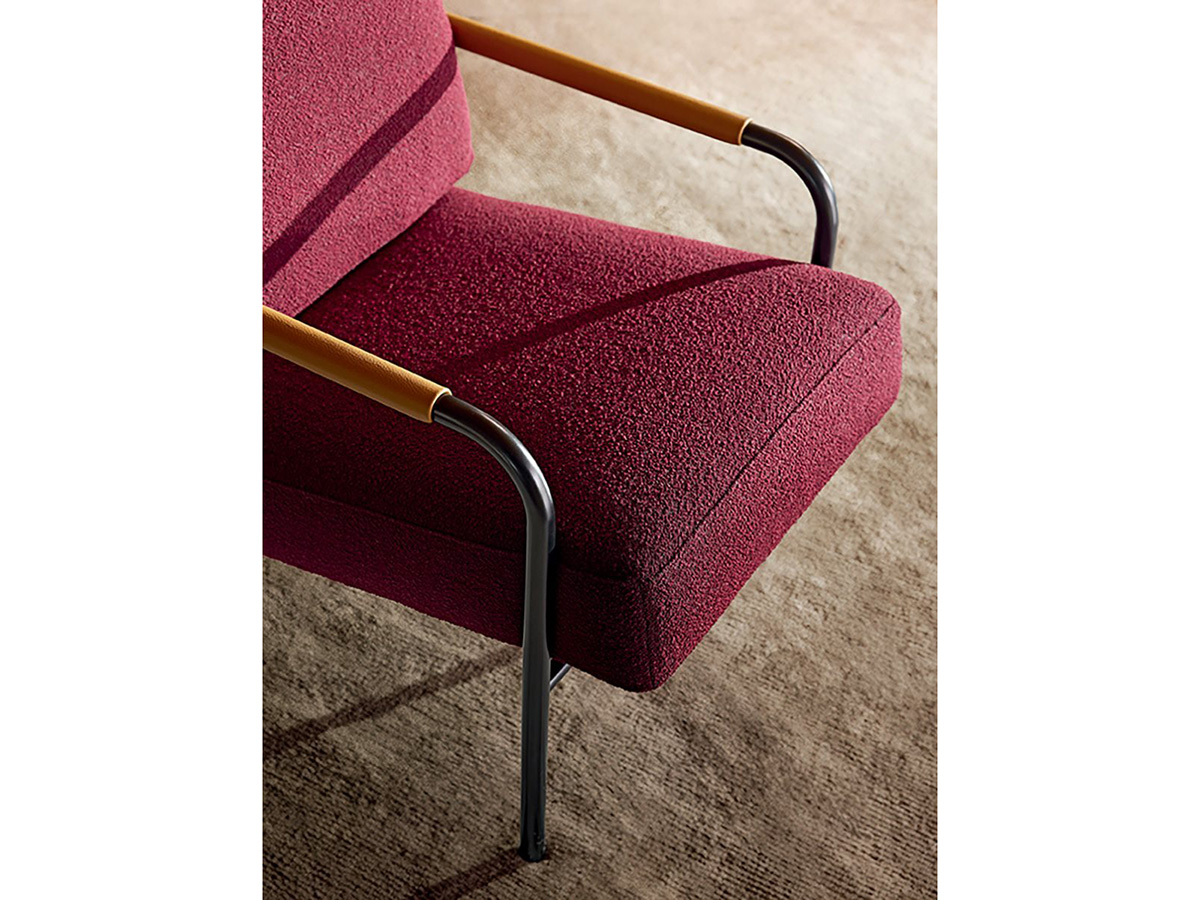
*Price valid for the version with frame in black varnished steel - upholstery in fabric cat. 20 and armrests covered in leather (cod. 852).
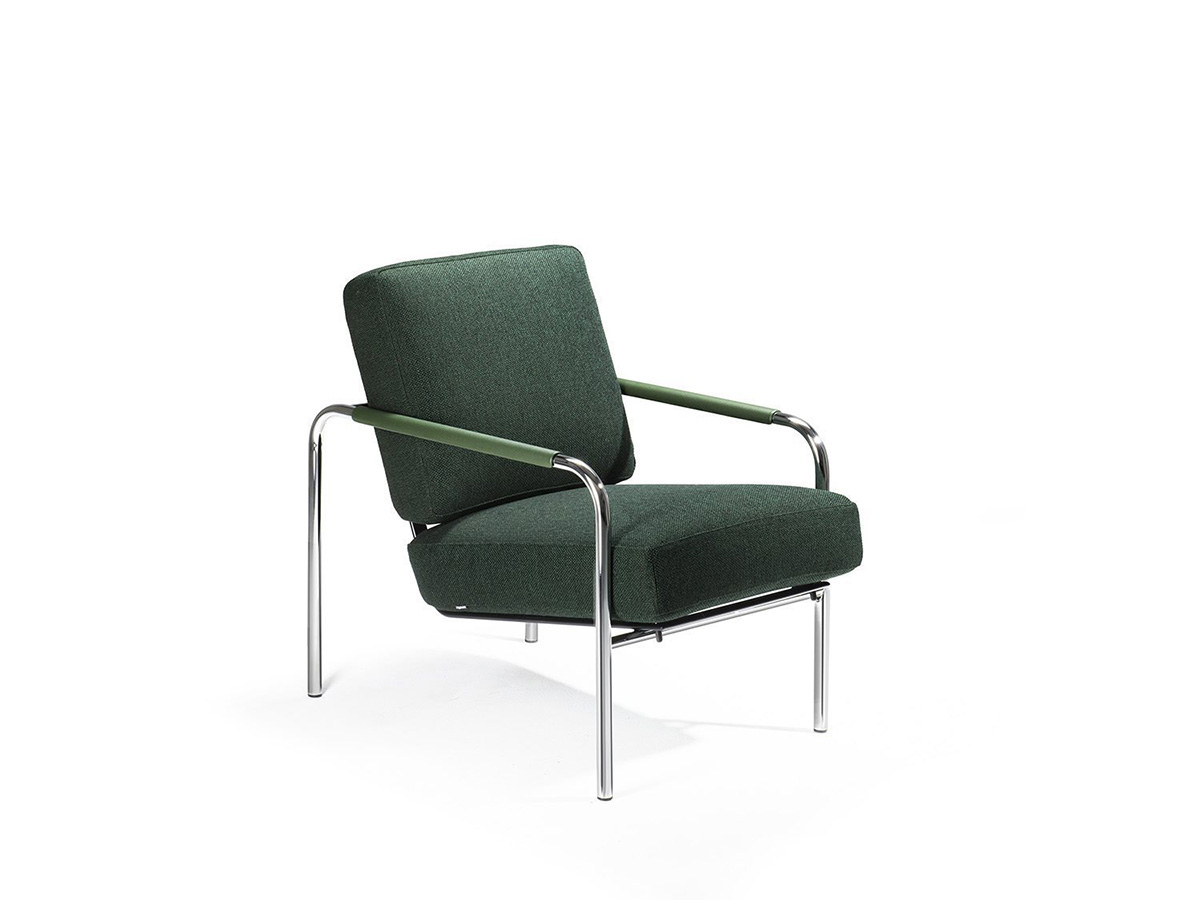
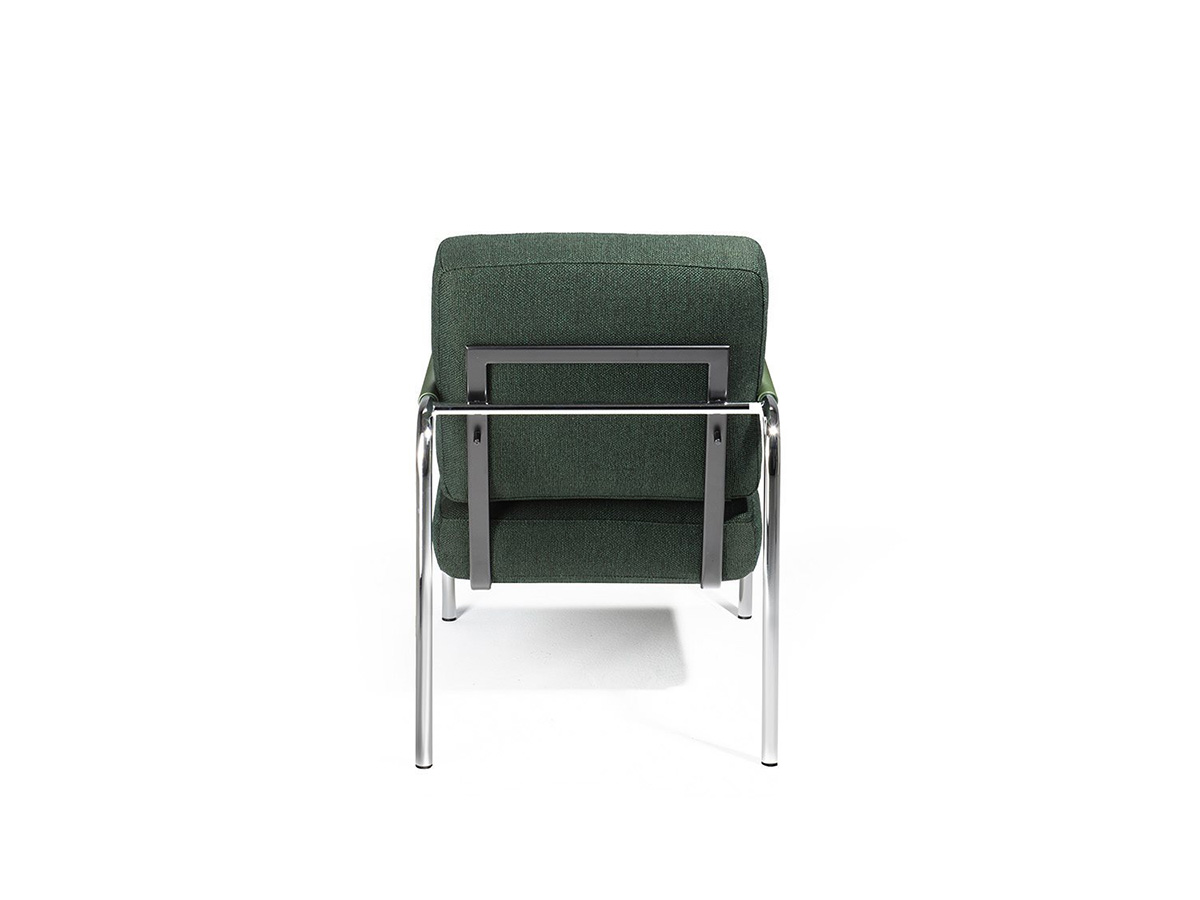
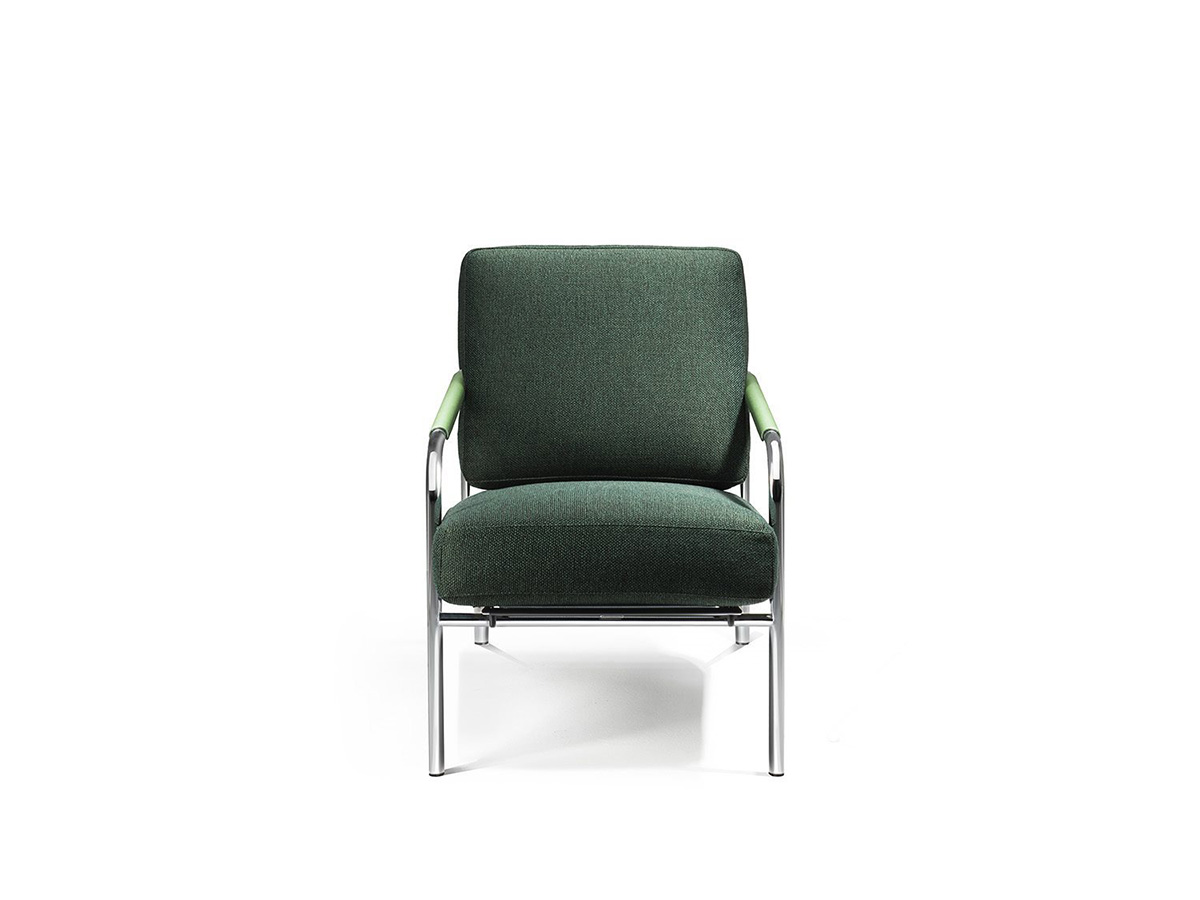
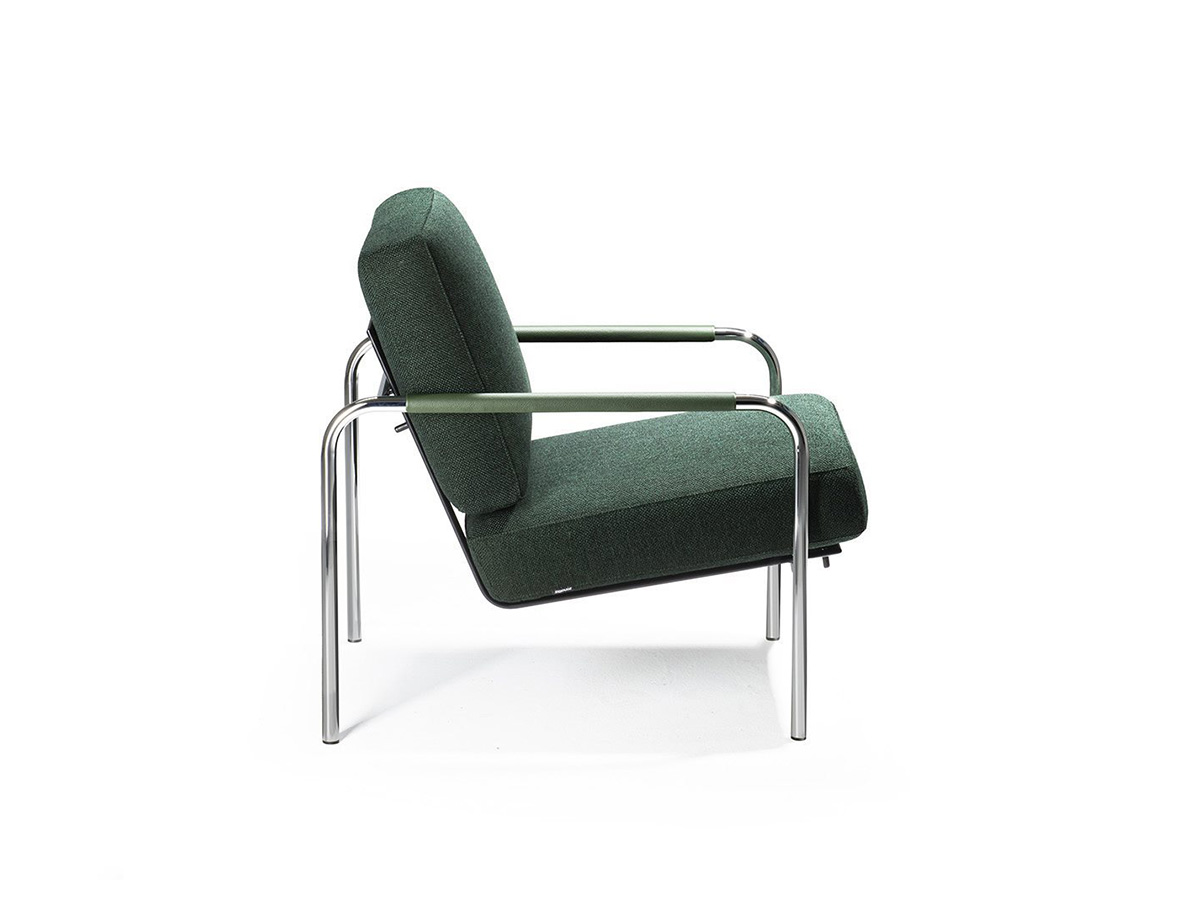
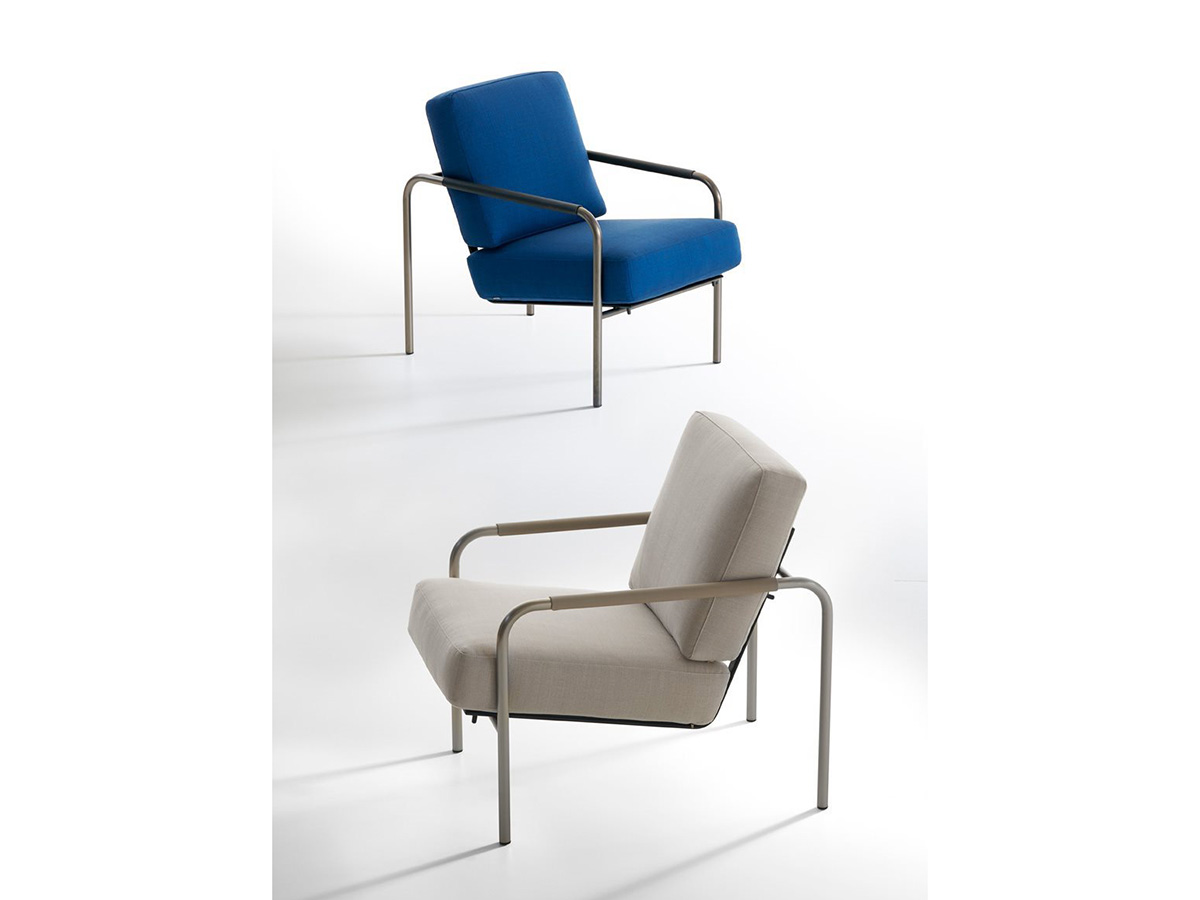
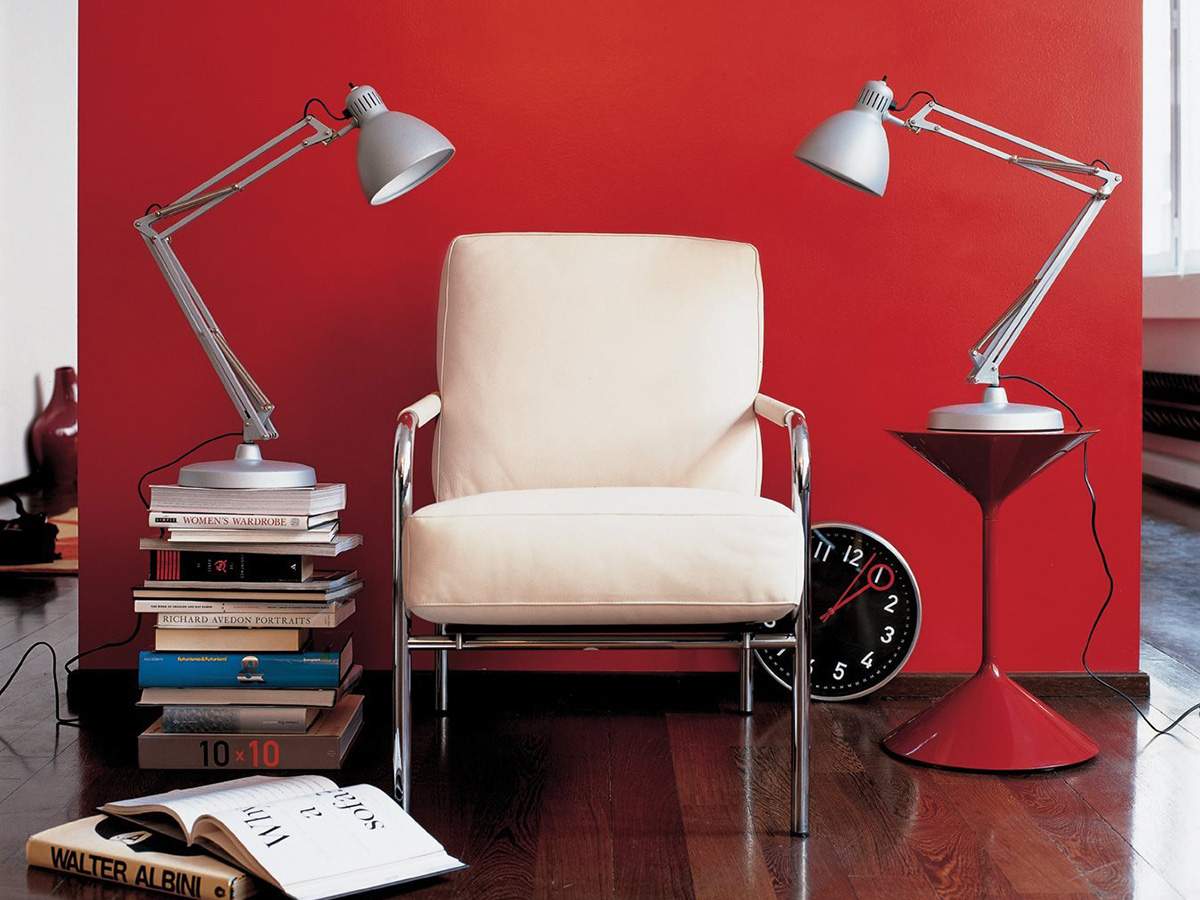
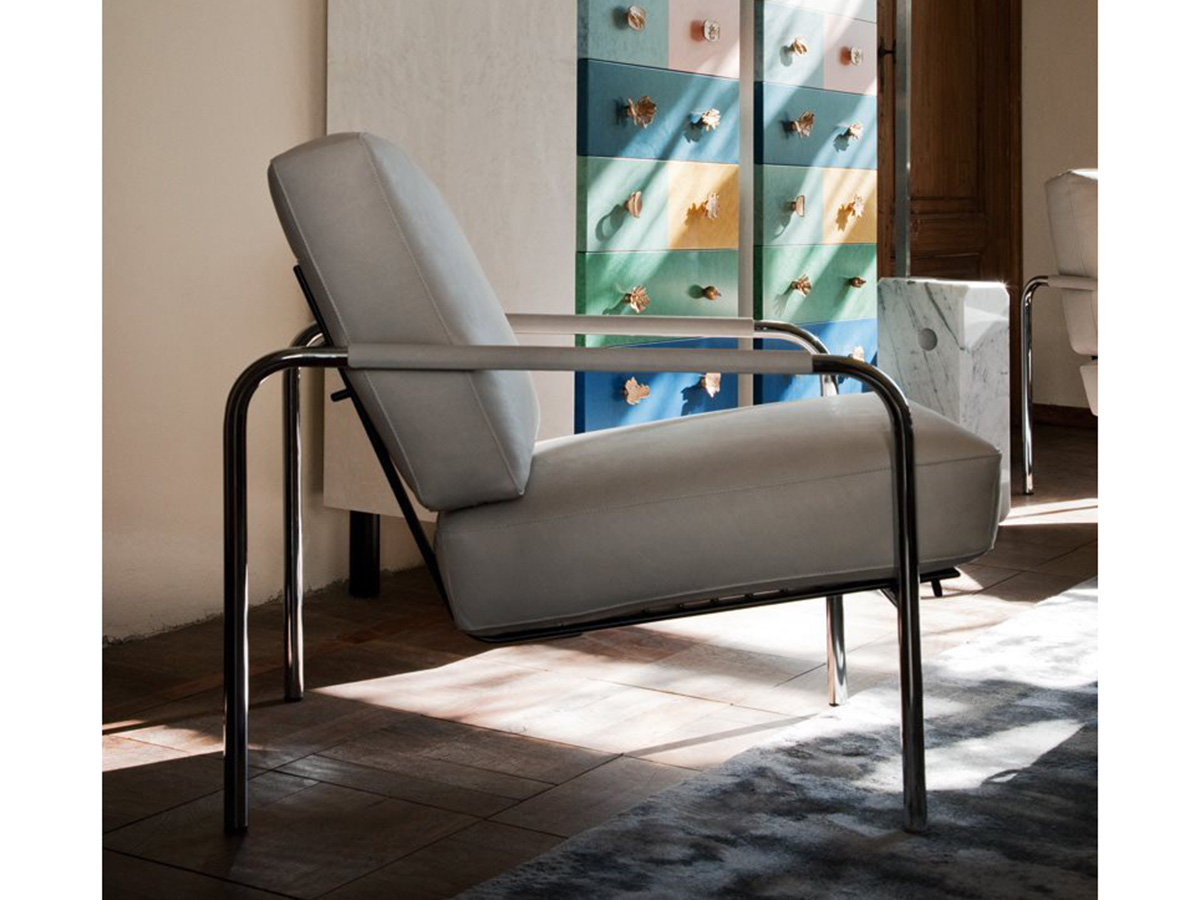
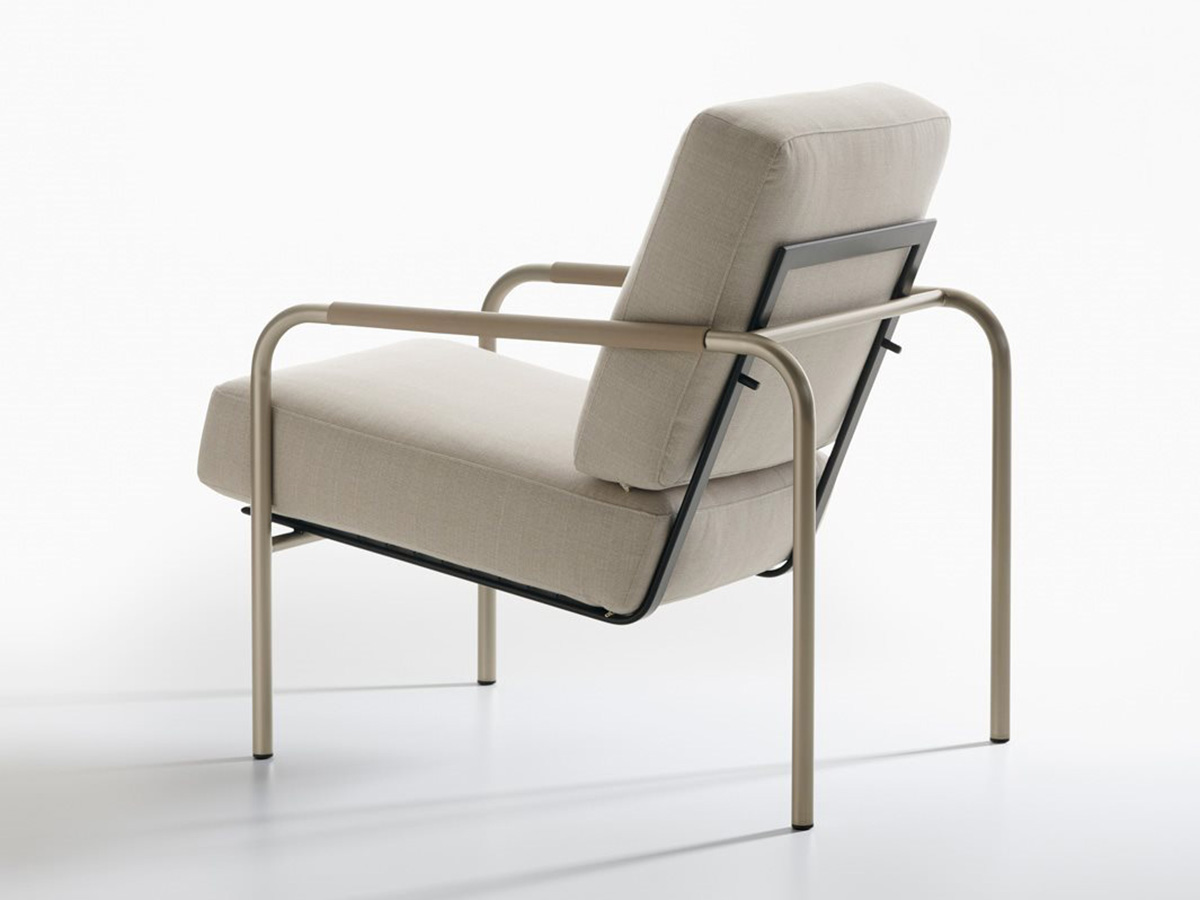
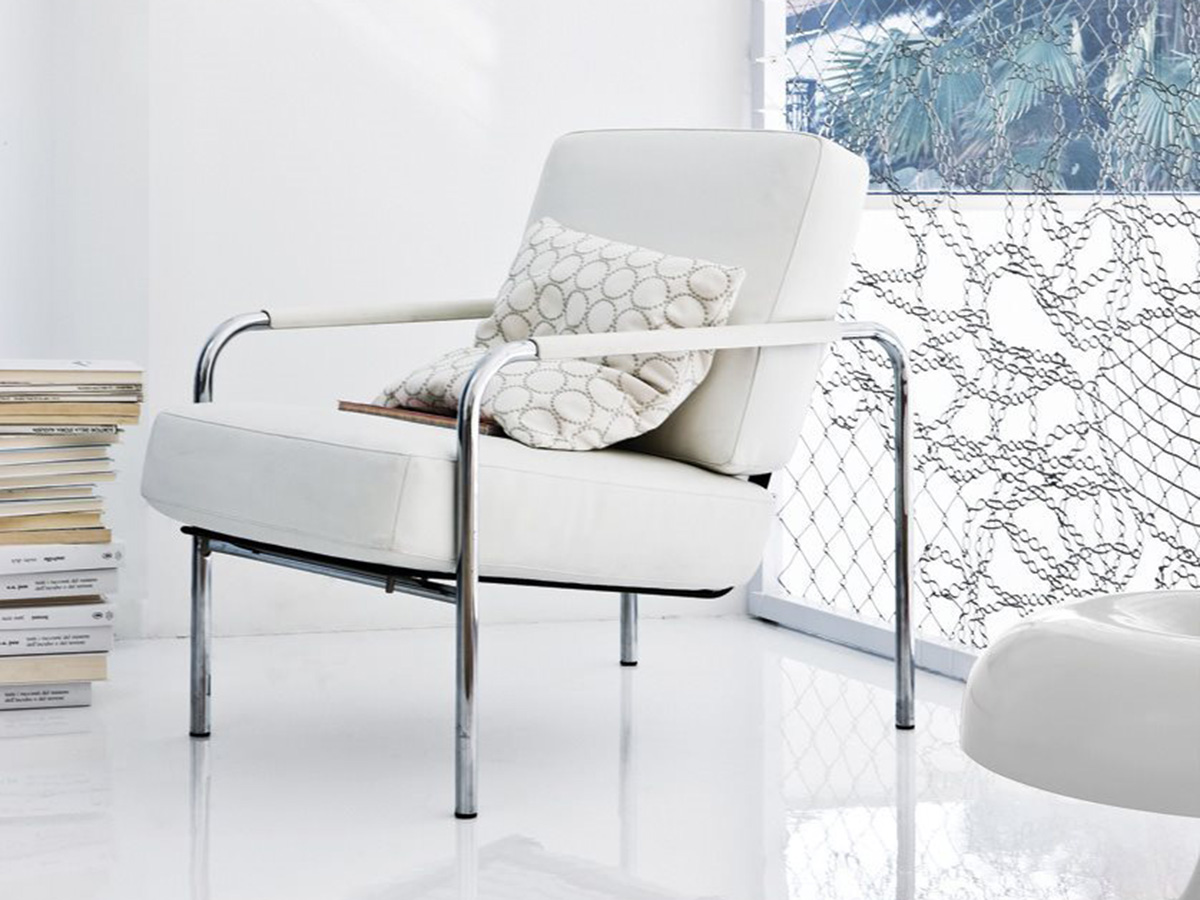
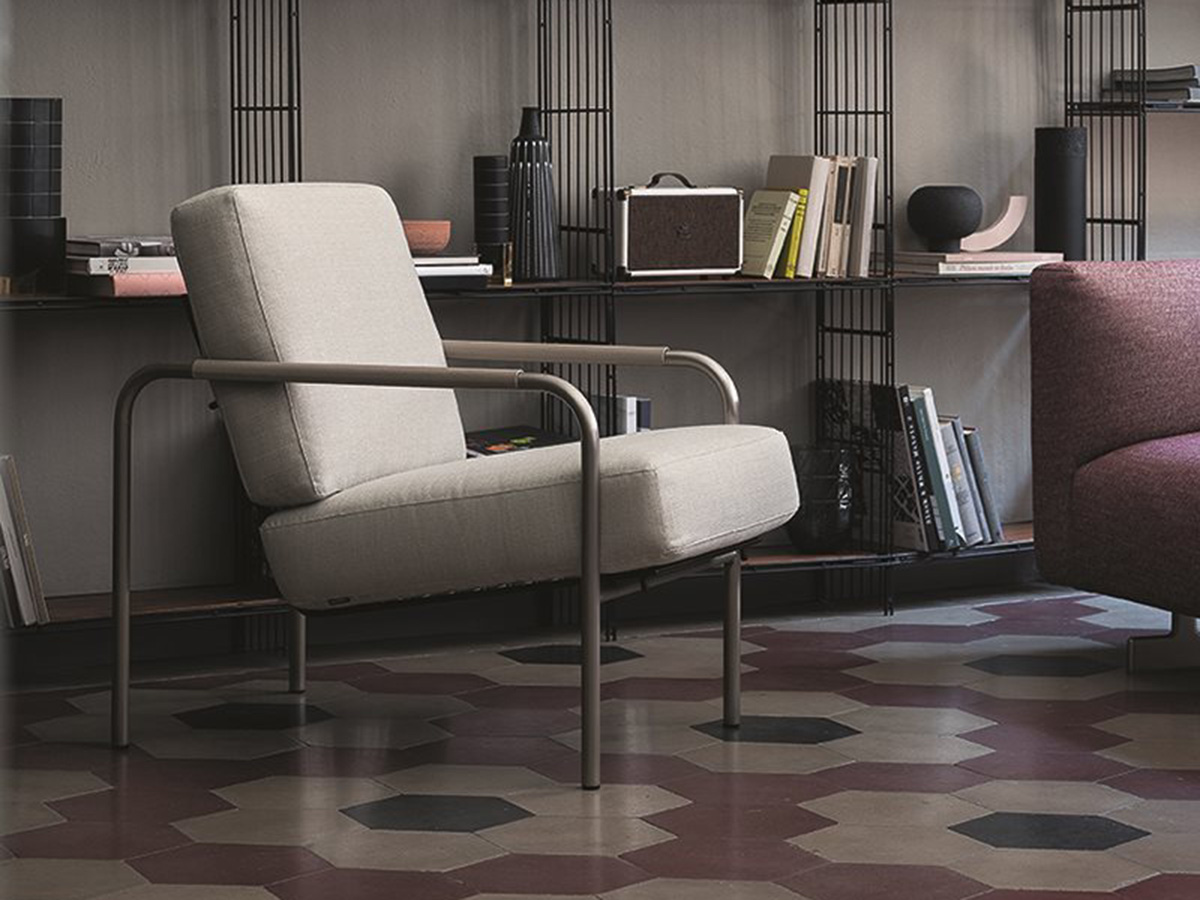
The Susanna armchair by Zanotta, designed by Gabriele Mucchi in 1955, is an icon of Italian design that brings together rationalist rigor and artisanal sensitivity. The tubular metal frame traces an essential, lightweight line, onto which the taut leather seat is fitted, defined by a precise balance between form and function. The project expresses a modern vision of living, in which comfort and constructive clarity coexist without unnecessary mediation. Reissued by Zanotta in full respect of the original design, Susanna retains its expressive strength and the quality of its materials intact, becoming a timeless object. The armchair fits naturally into contemporary settings, bearing witness to the ability of good design to cross eras while preserving its identity unchanged.
W.55 x D.82 x H.83/77 cm
Seat Height 45 cm
Salvioni Design Solutions delivers all around the world. The assembly service is also available by our teams of specialized workers.
Each product is tailor-made for the personal taste and indications of the customer in a customized finish and that is why the production time may vary according to the chosen product.
To discover the full range of services available, visit our delivery page.
Personalize your request
Upholstery
Select
Frame
Select
Select

Design and culture: from these two inspirations, Zanotta draws its identity. Browsing the Zanotta catalog is like entering a real design museum full of the key works of some of the biggest protagonists of the furnishings field. Founded in Nova Milanese by Aurelio Zanotta in the ‘50s, the company inextricably links its name to the avant-garde design season, from which innovative furnishings are born, often enriched by an ironic touch. To these timeless masterpieces, Zanotta flanks reissues of classics from the first half of the twentieth century and a contemporary collection inspired by great lightness and quality.Read more
Designed by
Gabriele Mucchi
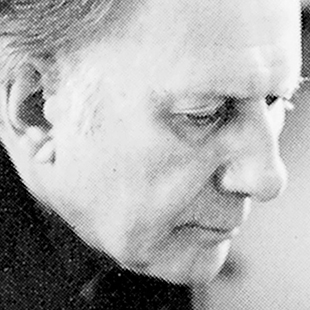
Gabriele Mucchi (1899-2002) was a painter and illustrator, also counted among the pioneers of the nascent Italian design. Son of the painter Anton Maria Mucchi, a member of an important liberal family of the Emilian bourgeoisie, Gabriele spent a wandering youth following his father between his native Turin, Catania, Correggio, Bologna, where he graduated in engineering, and Rome, where he had the opportunity to come into contact with various artists and writers including the German sculptor Jenny Wiegmann, who would later become his wife. He later settled in Milan, where he was close to the painters of the Corrente group founded by Ernesto Treccani and frequented anti-fascist circles. His first exhibitions date back to the 1930s, when he was appreciated by critics in particular for his skillful use of color; In the same decade he also continued his activities as an illustrator (for example for books by Achille Campanile and Cesare Zavattini) and above all as an architect and “discoverer of forms for everyday objects”, as he liked to define himself at the time (the word “designer” had not yet entered the Italian lexicon). In this role he was a convinced supporter of the rationalist movement and between 1934 and 1945 he designed various furnishings for the Milanese workshop of Emilio Pino Crespi. During the Second World War he was a partisan and in the post-war period his painting activity veered towards the style of socialist realism, actively propagated at the time by the PCI; a style to which he remained faithful in the future decades of activity, often choosing political or denunciation themes for his works, which made him a true militant artist. Social commitment also characterised his participation in the planning of the QT8 neighbourhood in Milan, but in the following years he increasingly abandoned his activity as an architect to dedicate himself entirely to painting. He later taught at the University of Art in East Berlin, where he lived for a long time. In the 1980s his furniture was rediscovered by Zanotta and put back into production with a success that continues to this day.Read more