E15
Backenzahn Coffee Table
Price starting from € 897.00*
*Price valid for the version in oiled oak (cod. ST04).
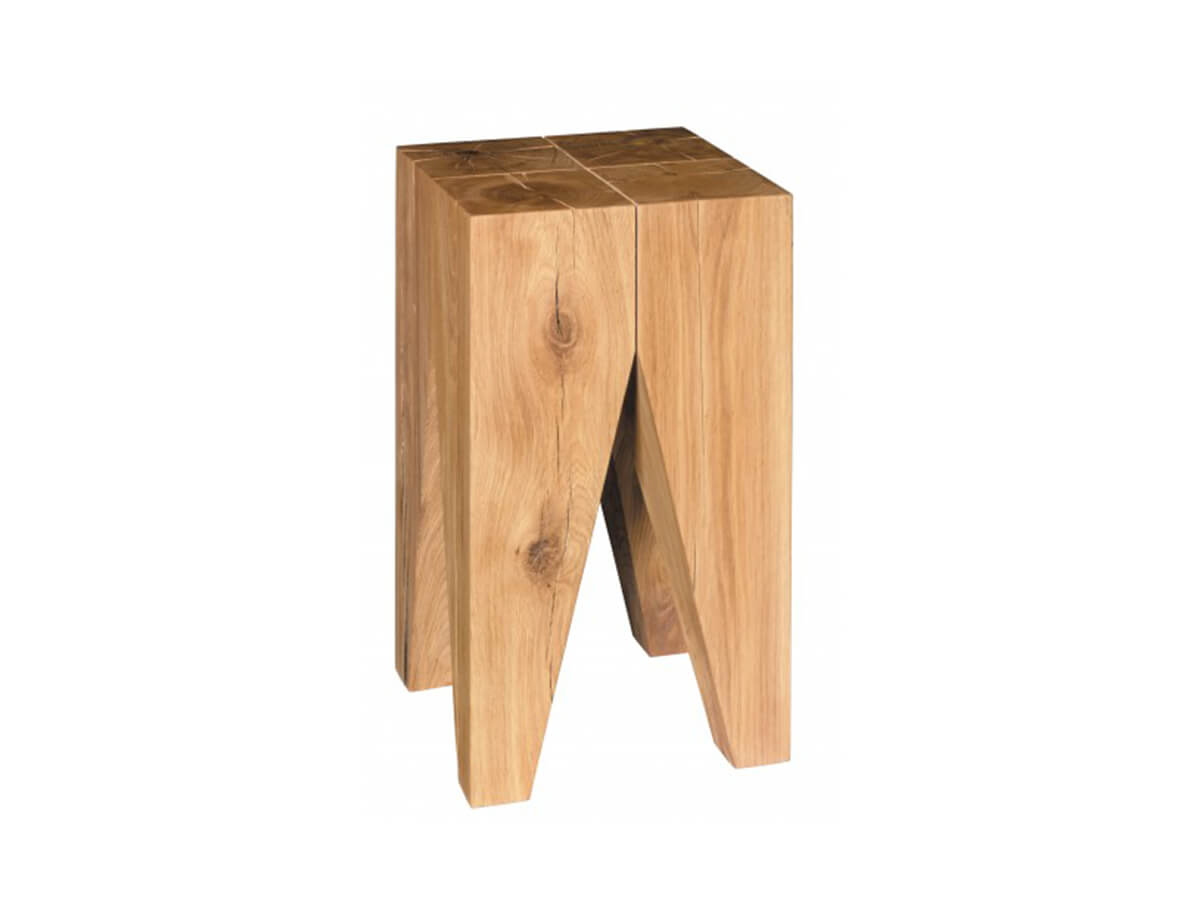
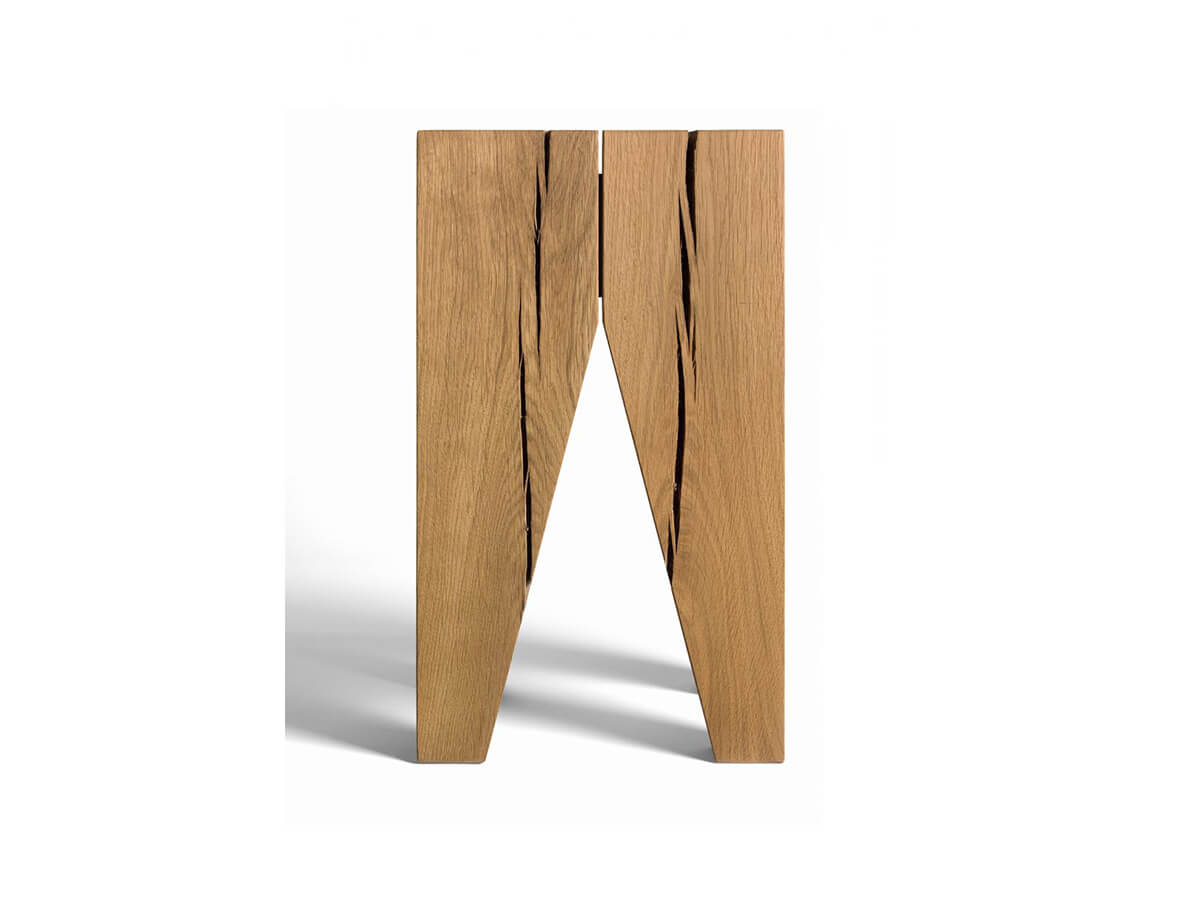
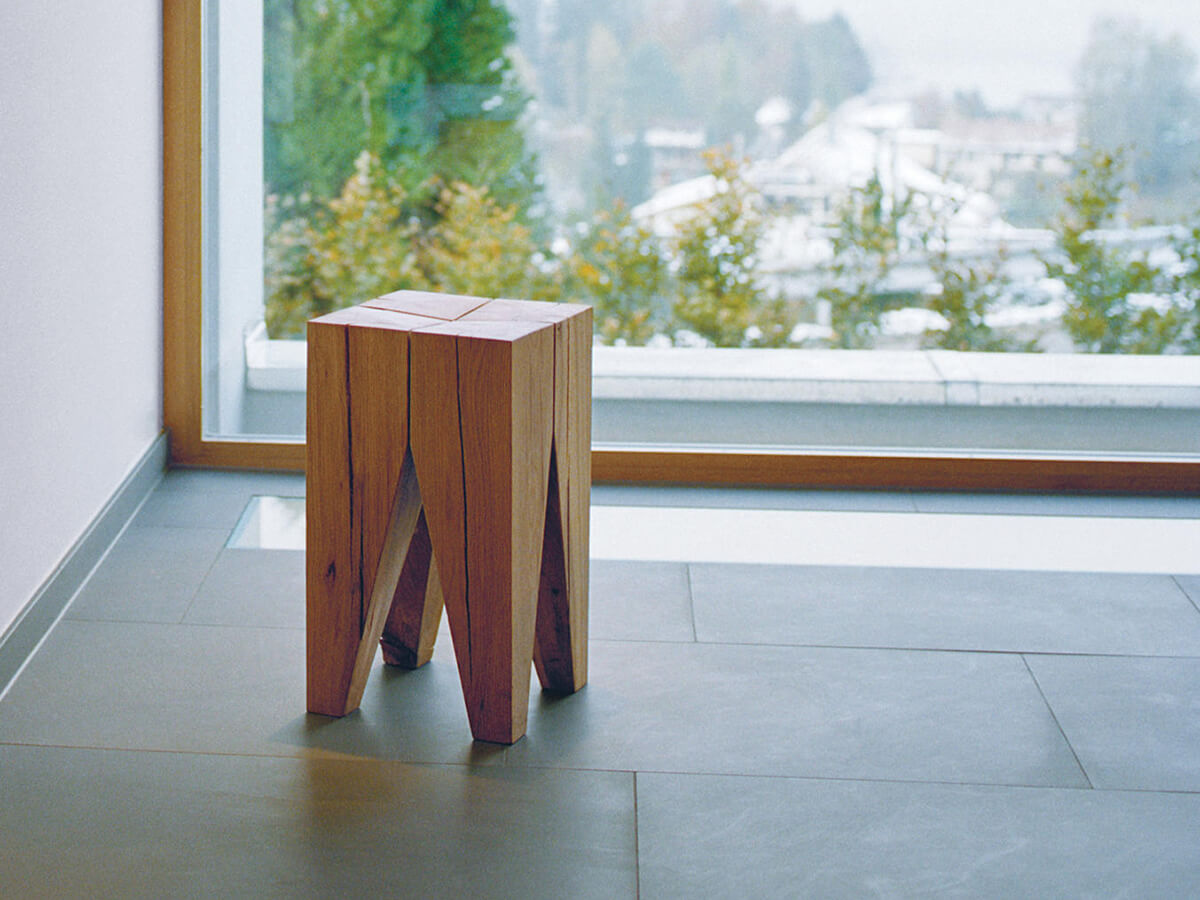
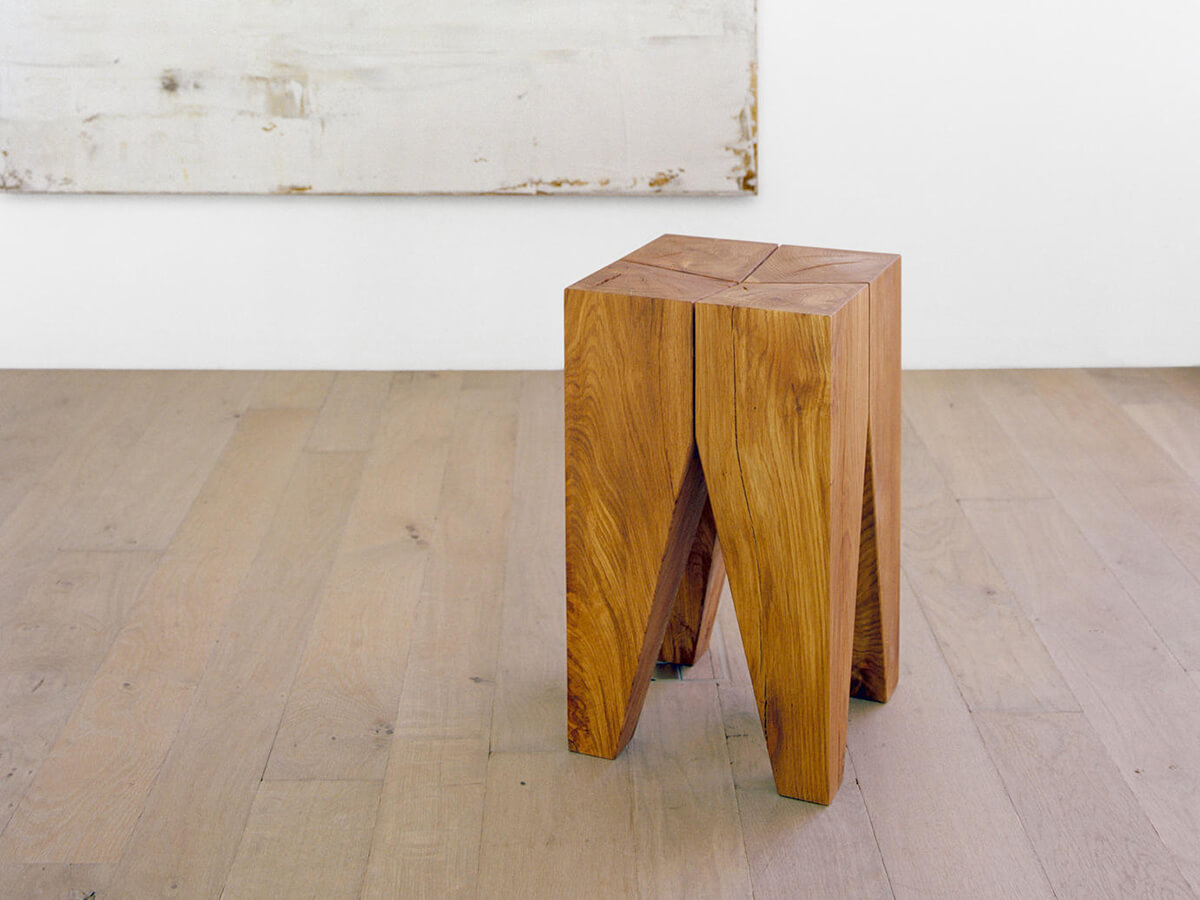
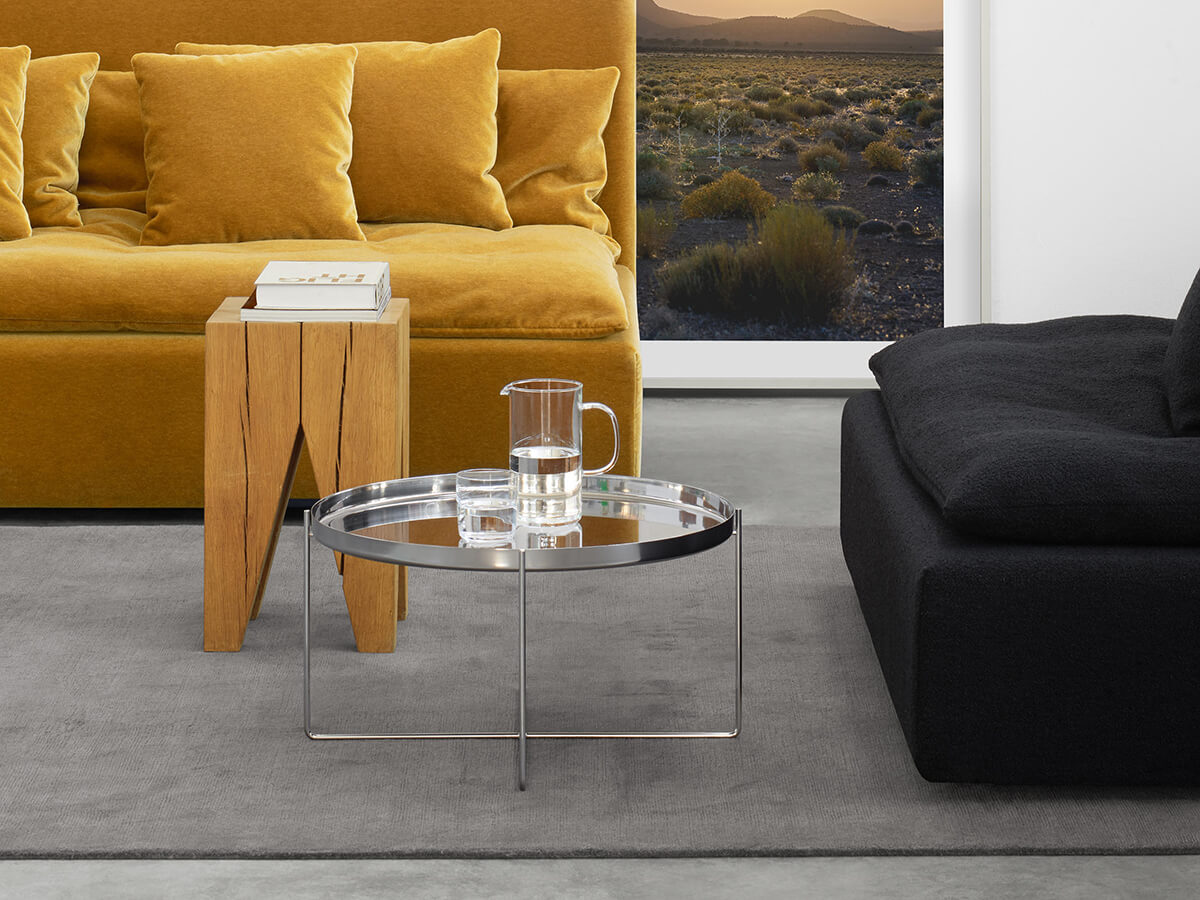
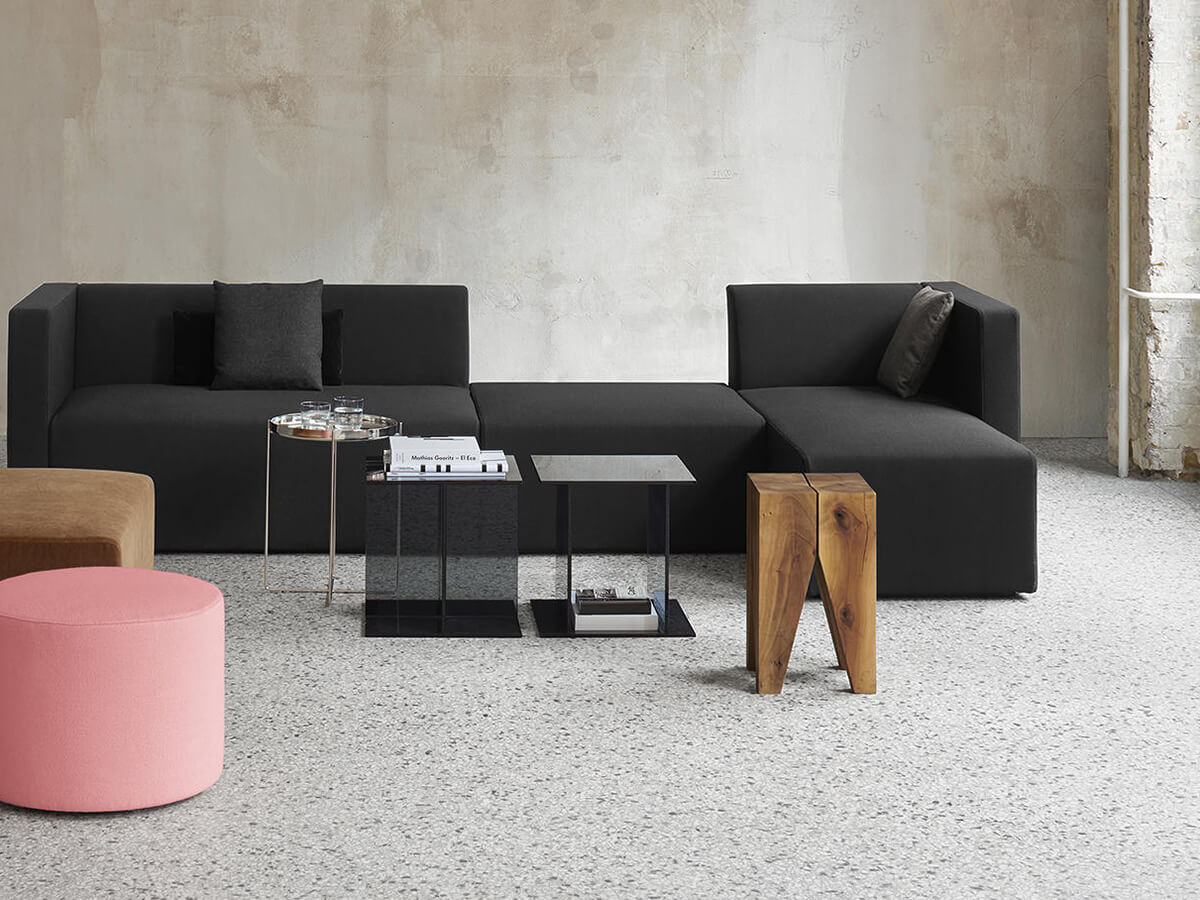
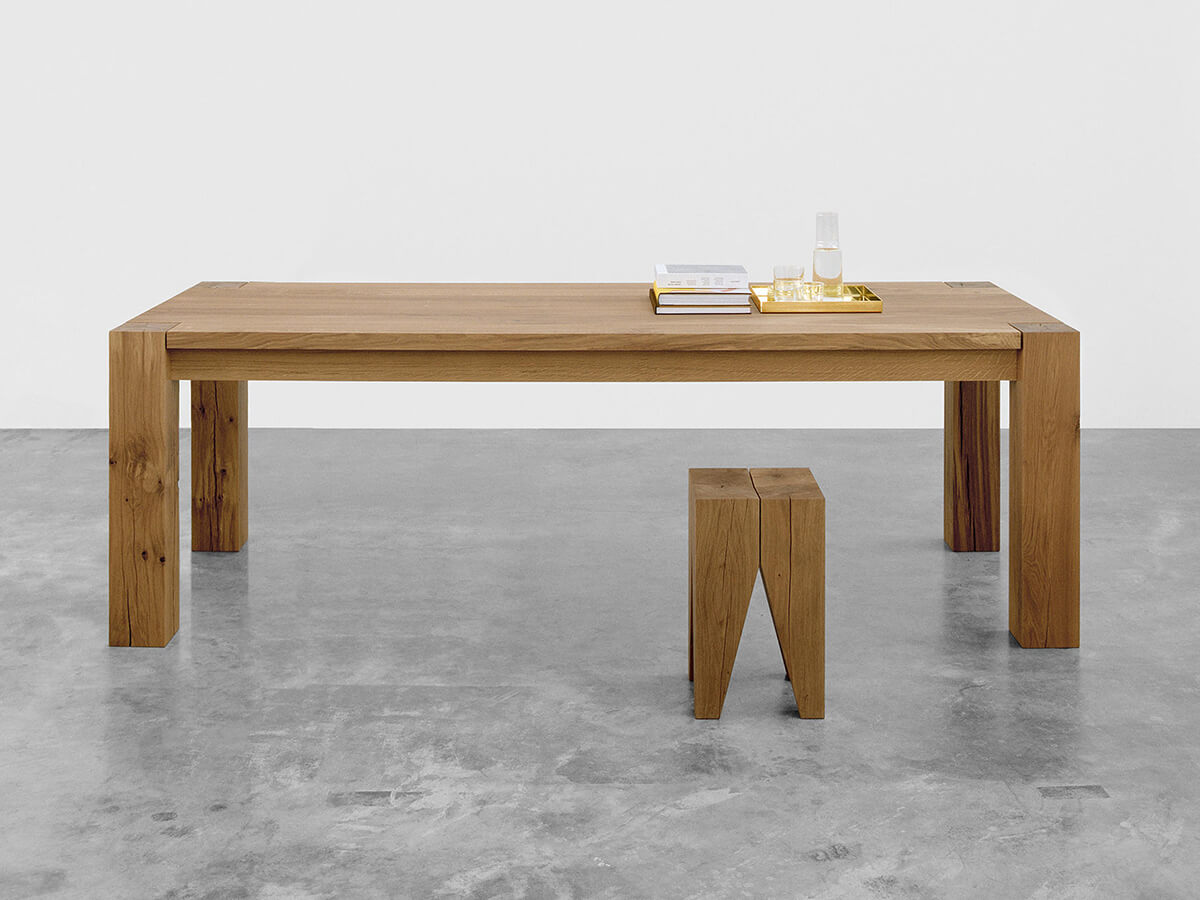
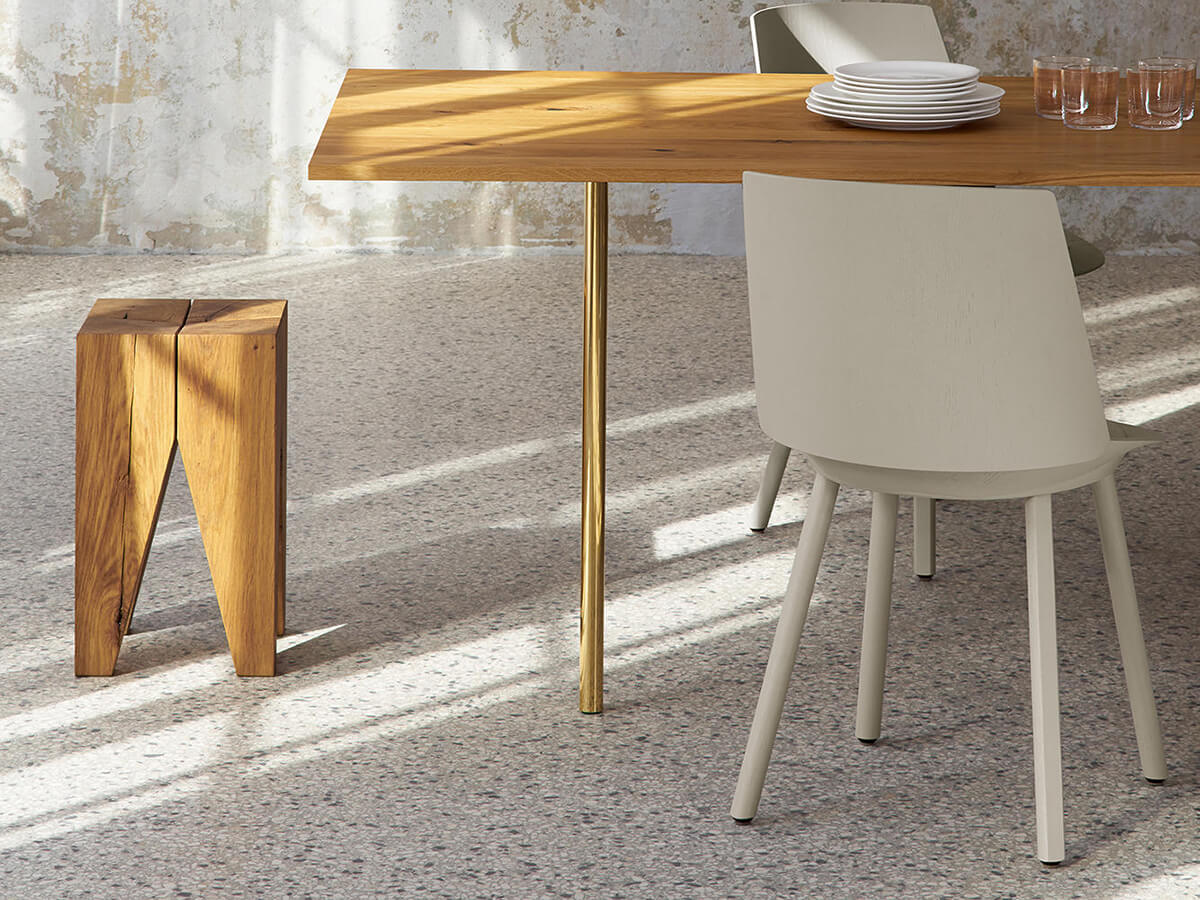
A coffee table today considered an authentic design classic that has become an icon. The E15 company identifies much of its philosophy in this simple piece of furniture, yet capable of embodying multiple influences that are well suited to domestic spaces but not only. Backenzahn's four legs are identical to each other and resemble inverted cones that together form four intentional incisions on the surface of the top. These incisions in their shape give life to a slightly concave seat that offers comfort and a solid support surface for the body. The material of this coffee table / stool is oak, strong and resistant to prolonged use.
W.27 x D.27 x H.47 cm
Salvioni Design Solutions delivers all around the world. The assembly service is also available by our teams of specialized workers.
Each product is tailor-made for the personal taste and indications of the customer in a customized finish and that is why the production time may vary according to the chosen product.
To discover the full range of services available, visit our delivery page.
Personalize your request
Finishing
Select
Select
Select

In the furniture signed e15, the solidity and warmth of traditional solid wood melt the solid rigor of German design typical forms, in a modern and effective combination that gives new life to the oldest of furnishing materials. The essential nature close to the minimalism of its products accompanies a strong vocation to eco-sustainability that permeates all production processes. Among tables, coffee tables, chairs and stools, the dining area furniture plays an important part in the e15 catalog, but it is also completed by a wide selection of storage units, beds, lamps and accessories.Read more
Designed by
Philipp Mainzer
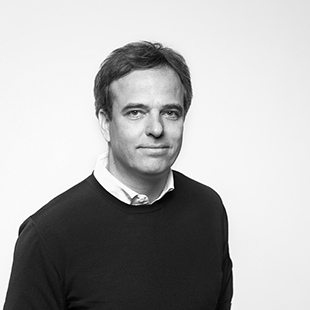
Philipp Mainzer (1969–) is a German designer and entrepreneur best known for his work with the brand e15, of which he was co-founder, CEO, and creative driving force. He spent his student years in London, where he studied product design at Central Saint Martins and specialized in architecture at the Architectural Association. It was also in the British capital that, in 1995, he launched the e15 venture—a brand whose name derives from the postal code of the London district where his first workshop was located. His style, infused into all of e15’s unmistakable creations, is characterized by an almost Franciscan sobriety, with minimalist forms that highlight the material quality of what he has always considered his material of choice: solid wood in light, natural tones. His early creations - such as the Bigfoot table (1994) and the Backenzahn stool (1996) - stem from Mainzer’s desire to move beyond the use of cold materials like glass and steel, which were omnipresent in interior design at the time, while still maintaining a strong sense of formal clarity. In the following years, Mainzer relocated both the company and his practice to Frankfurt, Germany, where he was joined in managing the brand by his partner, Farah Ebrahimi. Her influence enabled him to draw new inspiration from the rich and flourishing craft tradition of Iran.
Read more