Wittmann
Sitzmaschine Armchair
Price starting from € 9,213.00*
*Price valid for the version with cushions covered in fabric cat. F1 - frame in black beechwood (cod. 93012).
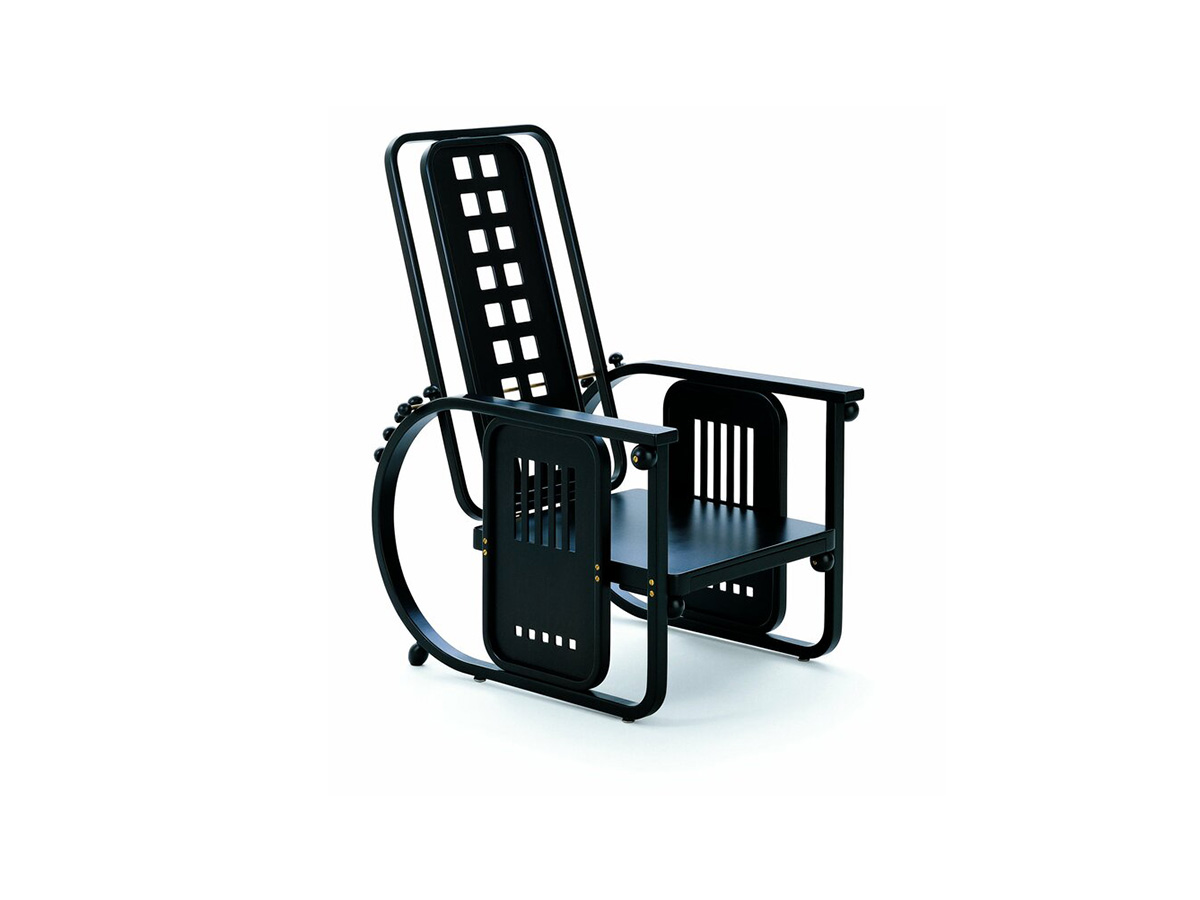
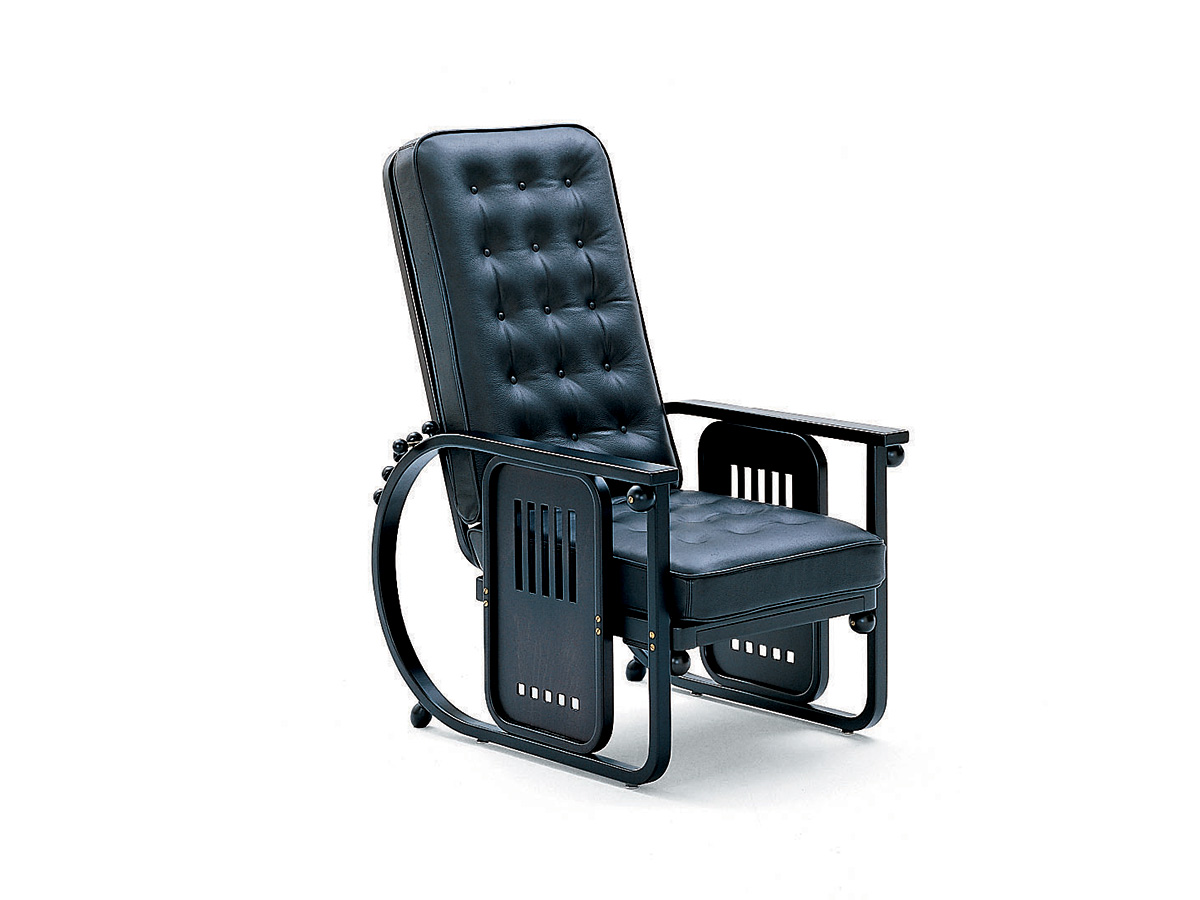
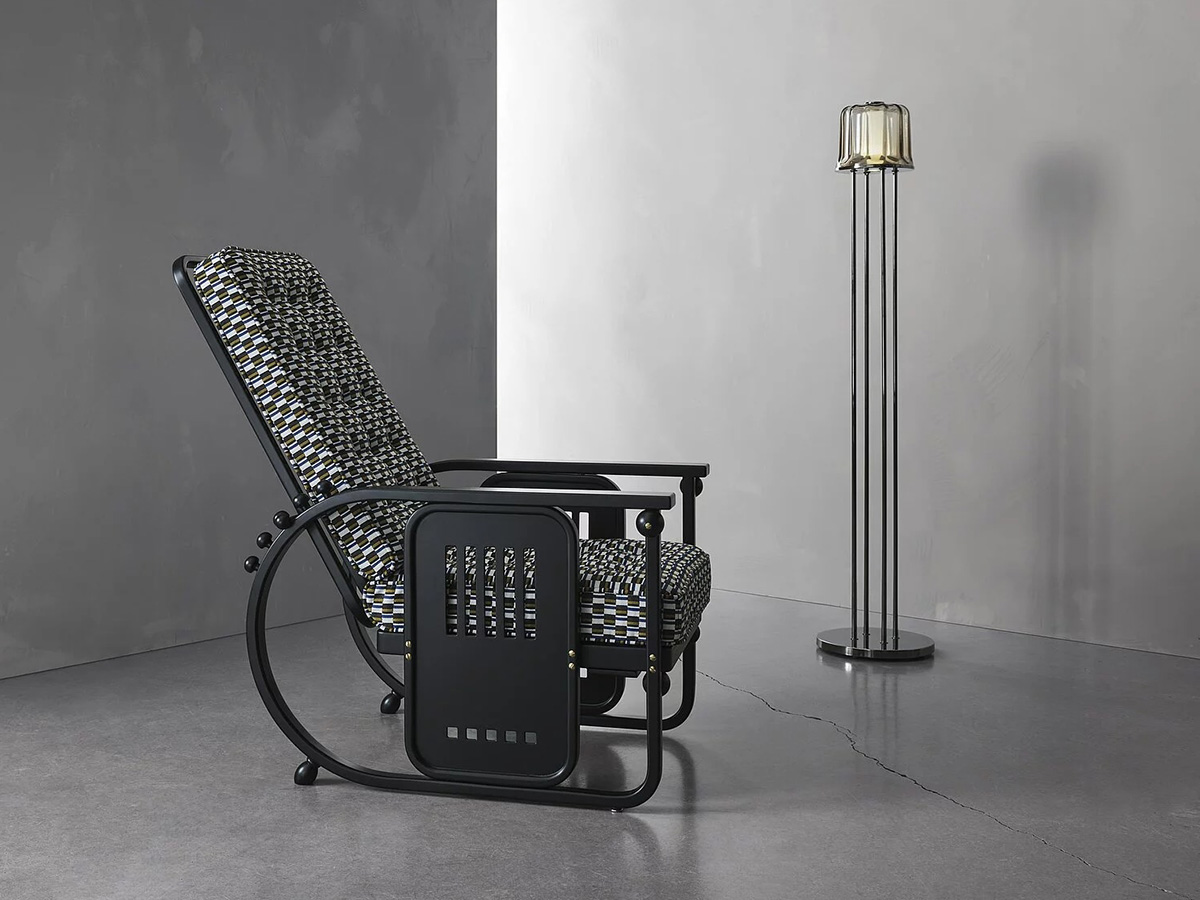
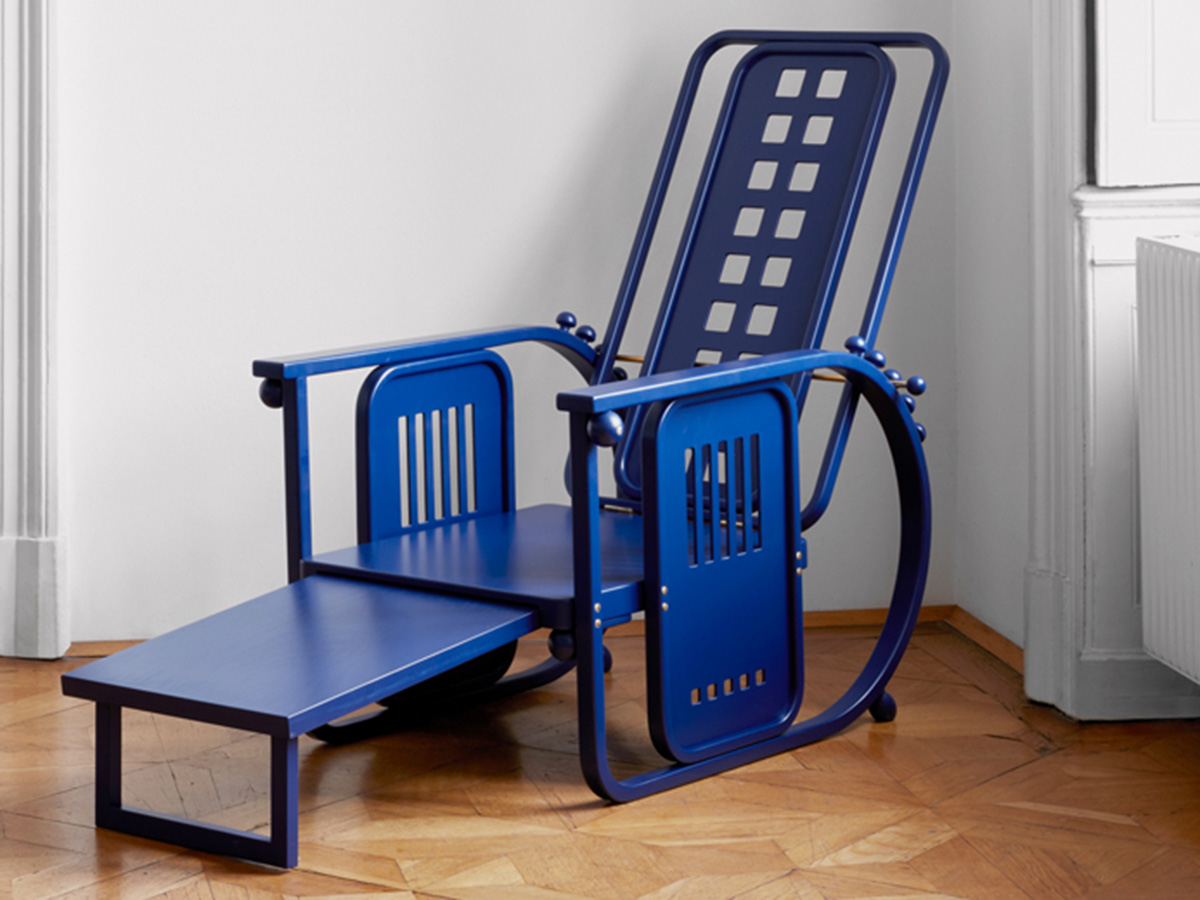
The Sitzmaschine armchair, whose name literally means “sitting machine,” was designed in 1905 by Josef Hoffmann as the first—and highly successful—attempt to merge the architecture of a building with its interior furnishings, embodying the principles of the Wiener Werkstätte. Hoffmann created it for the Purkersdorf Sanatorium, designing it to combine clinical comfort with avant-garde aesthetics. A distinctive feature of its design is the manually adjustable reclining backrest, along with its bent beechwood structure. The armrests and lower supports are connected to form a single large, fluid ring, providing both stability and structural flexibility. Hoffmann’s characteristic perforated square motif is echoed in the backrest and side panels, serving both as an ornamental element and as a means of visually and structurally lightening the design.
W.70 x Adjustable Depth D.87/173 x Adjustable Height H.112/86 cm
Seat Height 44 cm
Salvioni Design Solutions delivers all around the world. The assembly service is also available by our teams of specialized workers.
Each product is tailor-made for the personal taste and indications of the customer in a customized finish and that is why the production time may vary according to the chosen product.
To discover the full range of services available, visit our delivery page.
Personalize your request
Upholstery
Select
Select
Select

Wittmann was founded in 1896 as a company specializing in the production of saddles, later transforming into a furniture manufacturer. In 1950, it changed its identity, becoming a full-fledged manufacturer of home goods. Its catalog included handmade chairs, sofas, beds, and mattresses. Over time, Wittmann expanded its business, always keeping management in the hands of the original family but expanding the quality and strength of its brand to become a true international player.Read more
Designed by
Josef Hoffmann
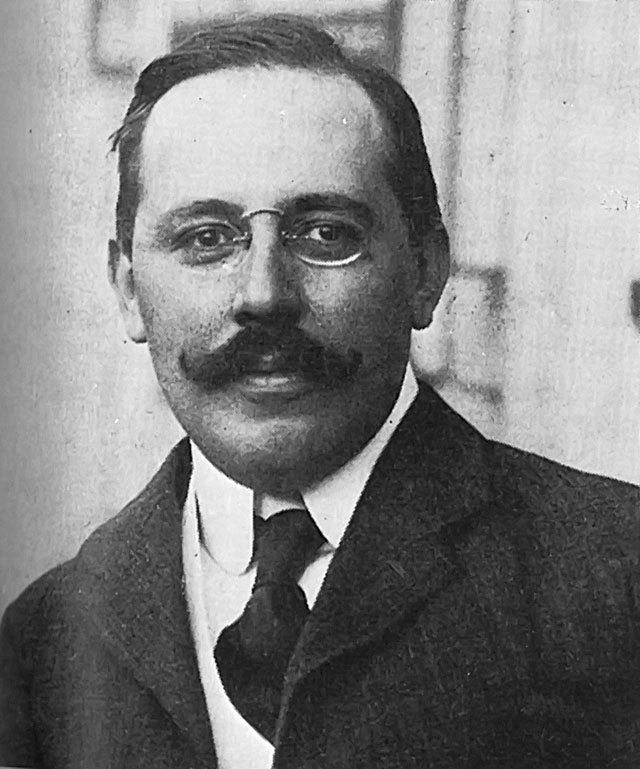
Josef Hoffmann (1870-1956), Austrian architect and designer, was one of the great protagonists of the artistic and cultural scene of his time. He trained at the Academy of Fine Arts in Vienna under Otto Wagner, who also employed him for some time in his studio, and in 1897 was among the protagonists of the foundation of the Viennese Secession, an association of artists and architects who opposed the excessively ornamental style of the works exhibited at the Künstlerhaus in Vienna and who decided to open their own space to exhibit works of new conception. His companions in this adventure were his friend Joseph Maria Olbrich, the painter Gustav Klimt and Koloman Moser. With the latter Hofmann was the protagonist of an experience that was to have a strong impact on the history of design: in 1903 together they founded the Wiener Werkstätte, workshops of artistic craftsmanship on the model of the English Arts & Crafts which proved to be at the forefront also in the definition of a new relationship between designer and craftsman. However, by Hofmann's will, the works of the Werkstätte chose to keep the quality of the materials high and, consequently, the prices, thus renouncing against the initial intentions the possibility of developing as a "democratic art" with which they were born. Later Hoffmann was also among the founders of the Deutscher Werkbund, an association of designers and workshops which, starting from past experiences, will try to better define the relationship between the artistic conception of objects and mass production. Hoffmann's style, both in architecture and design, was based on a careful treatment of the surfaces, and in the furnishings (reissued mostly by the Austrian company Wittmann, but also by brands such as Gebrüder Thonet Vienna, Ton and, for tapestries, Backhausen) often takes the form of a grid pattern. His masterpiece is considered the Stoclet Palace (1905-11) near Brussels, while in the last phase of his career he struggled to completely detach himself from the ornamental motifs of the past and he had to face a long professional decline.
Read more